
Eye diseases, or ocular diseases, can be caused by various factors, ranging from genetic issues and lifestyle habits to external influences. According to data from the World Health Organization (WHO), in 2023, approximately285 million people worldwide had impaired vision in some way, and between 60% and 80% of these cases could be preventedor already have available treatments.
Today, according to a meta-analysis conducted by the Brazilian Journal of Ophthalmology, data indicate that this number may grow even more in the coming years, due to the increase in untreated refractive errors, which are becoming increasingly common among children and adolescents, mainly due to the greater use of screens and reduced exposure to natural light.
In this article, you will understand the main refractive errors that affect children and adolescents, their dangers, and how they can be avoided according to guidelines from the World Health Organization (WHO) and the Brazilian Council of Ophthalmology (CBO).
What are refractive errors?
Refraction is the phenomenon in which a beam of light passes through the structures of the eyeball until it reaches the retina, where it is transformed into an image that will be sent to the brain. We call it a refractive error, or refractive defect, when this beam of light does not reach the retina clearly, causing distortions in the images sent to the brain.
Thus, among the most common refractive errors, we can highlight:
Myopia
Myopia is a refractive error caused by an "elongation" of the eyeball, which alters how light rays reach the retina. It causes difficulty in clearly seeing distant objects.
Hyperopia
Unlike myopia, hyperopia makes the vision of near objects less sharp than that of distant objects. It typically occurs when the eye is smaller than usual, affecting how the eye's "focus" adjusts to see closer objects.
Astigmatism
Astigmatism is a refractive error caused by an irregular curvature of the cornea, which forms images on different planes and generates distortions in vision.
What is the impact of refractive errors on children?
During a study conducted by the Federal University of Santa Catarina (UFSC) with 1,086 children between 0 and 15 years old, tests were performed to detect refractive errors. The results showed that 27.3% of the children had astigmatism, 14.8% myopia, and 6.6% hyperopia.
However, the big issue behind these numbers is the lack of action taken about them. Many of these refractive errors go undetected, let alone corrected, during childhood, worsening the problem.
Early treatment of refractive errors prevents mild cases from progressing and worsening into adulthood. Furthermore, with appropriate intervention, in most cases through corrective lenses, it is possible to avoid significant disruptions to the daily lives of school-aged children.
What should be done?
The Brazilian Council of Ophthalmology recommends that families treat children's eye health as a priority, seeking to identify potential ophthalmological issues and initiating early treatment.
Although alarming, refractive errors are not the only eye conditions that can manifest in children. Other more serious clinical conditions, such as congenital diseases, can appear in the first years of life. Early diagnosis and treatment prevent these conditions from worsening.
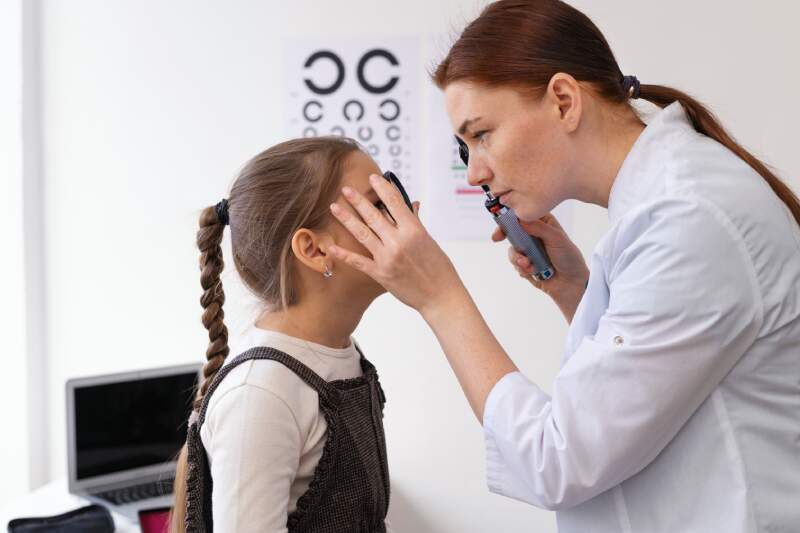
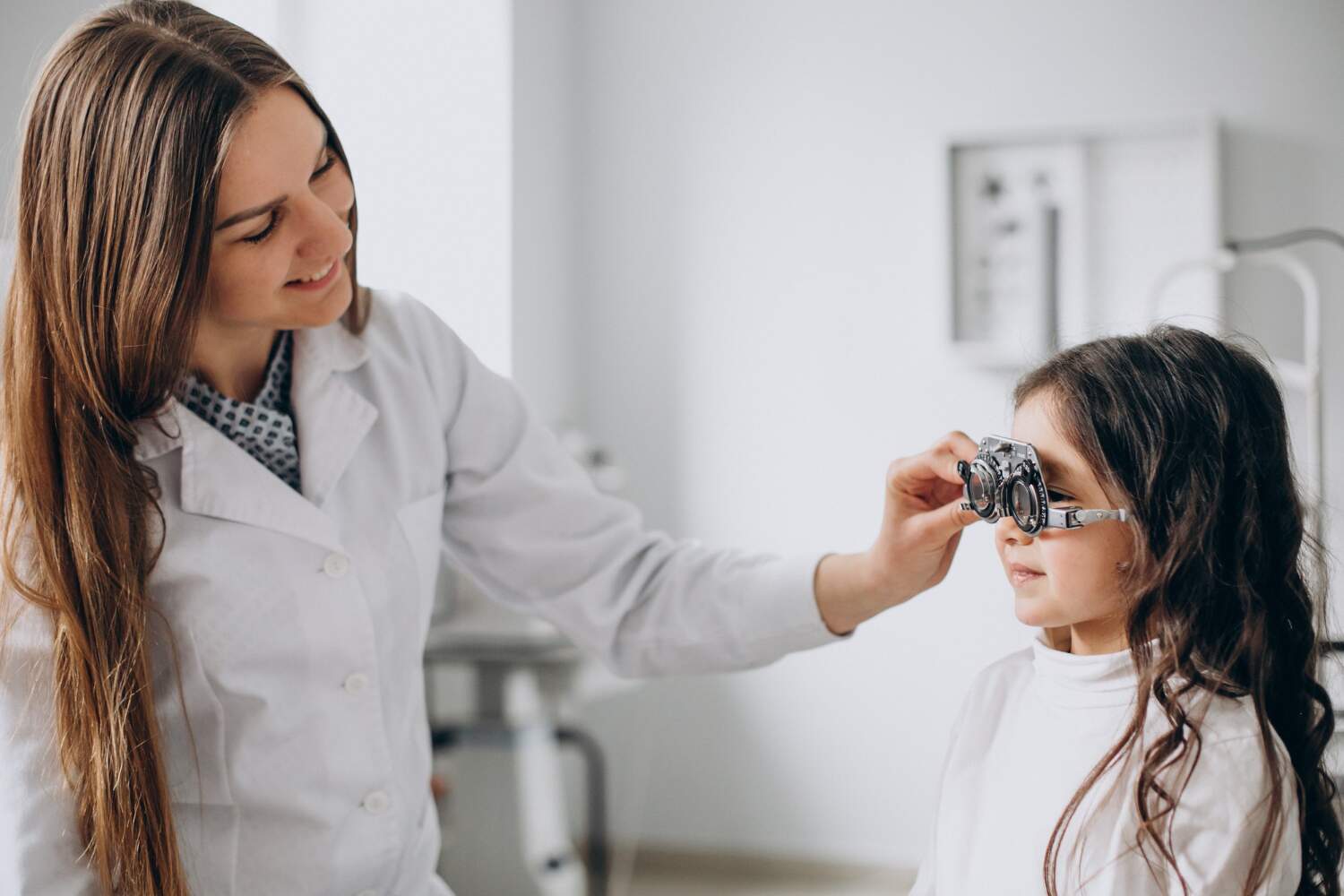
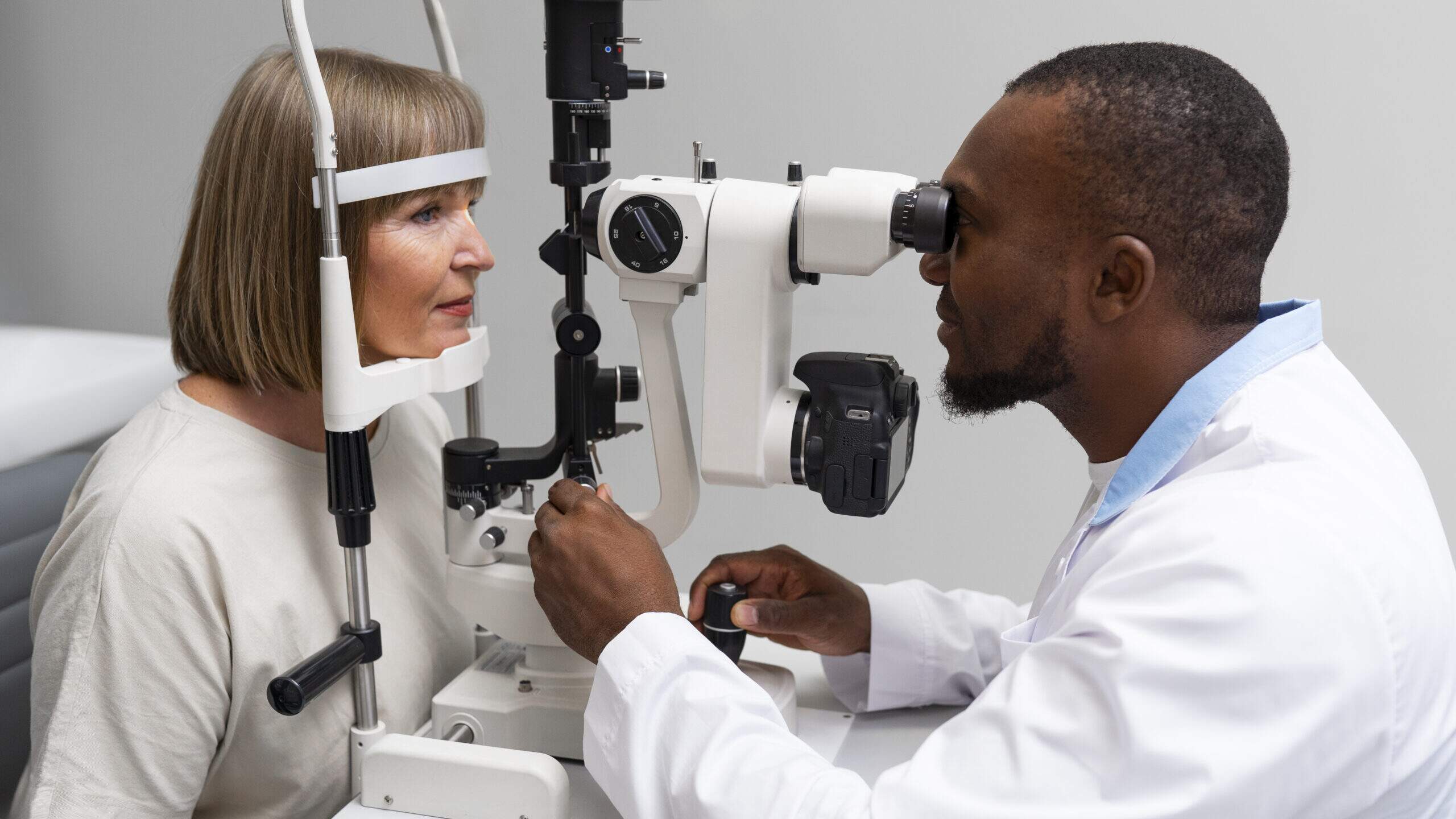
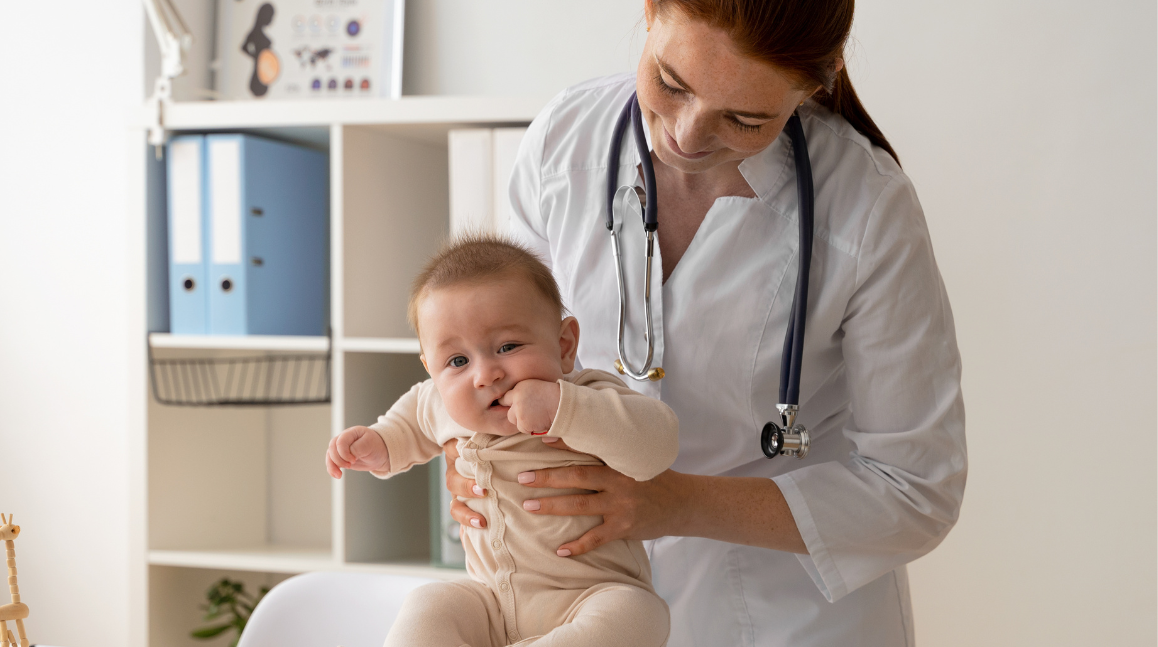

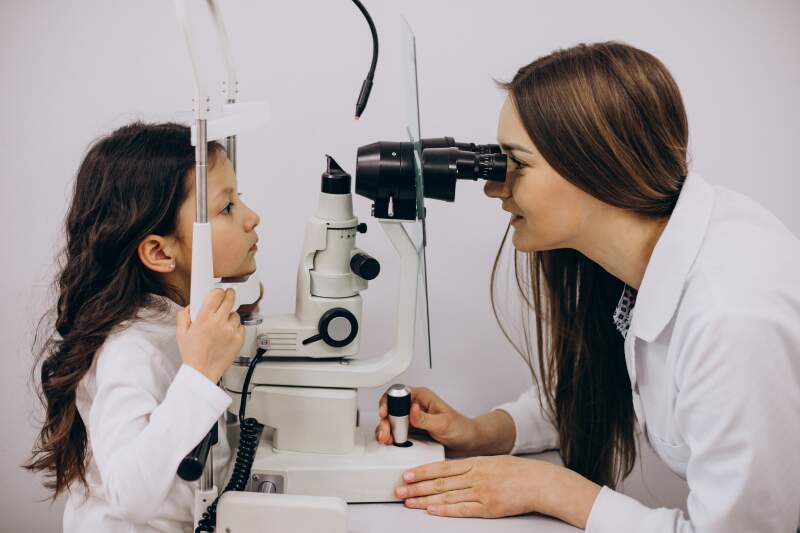
Therefore, it is recommended that families have their child undergo an ophthalmological screening between the ages of 6 months and 6 years, a period during which vision development occurs. The screening should be performed by a pediatric ophthalmologist, a specialist in the diagnosis, treatment, and monitoring of eye issues in children.
For more information on the subject, the Council and the Brazilian Society of Ophthalmology have made available the Eye Health in Childhood Guide, which provides guidance, care tips, and warning signs for parents and guardians.