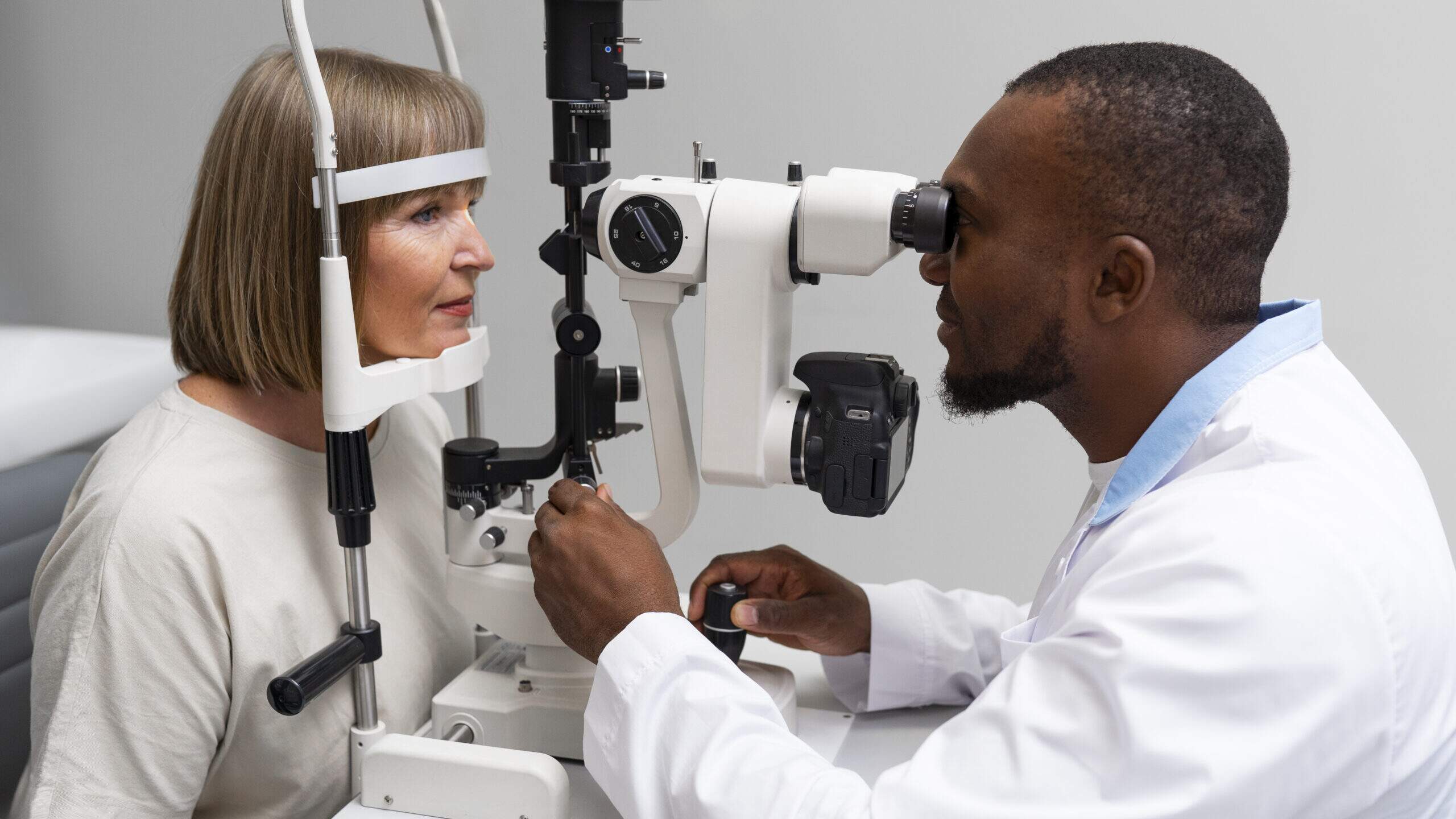


Pediatric Endocrinology is a branch of medicine dedicated to the study and treatment of diseases and conditions that affect the hormonal and metabolic health of children and adolescents, also including monitoring early childhood development.
In recent years, chronic diseases common in adults, such as diabetes, obesity, and hypertension, have become increasingly common among children and adolescents. Therefore, follow-up with a pediatric endocrinologist is becoming increasingly important, making it essential to understand what subspecialties entail and in which situations they should be sought.
In this article, you will learn more about this subspecialty of Endocrinology and discover if it is the right path for your medical career.
H2 – What is Pediatric Endocrinology?
Pediatric Endocrinology is a subspecialty of Endocrinology focused on the diagnosis, treatment, and prevention of major hormonal disorders in children and adolescents. When left unidentified or untreated, these disorders can affect growth, development, and metabolism.
H2 – What does a pediatric endocrinologist do?
Among the main issues addressed by this professional are:
Childhood Obesity
Childhood obesity is a condition characterized by the excessive accumulation of body fat in children, and can be influenced by genetic factors or by environmental and behavioral issues, such as poor diet and sedentary lifestyle. When not properly treated, this condition can lead to the development of other health problems such as diabetes, high cholesterol, and heart disease.
Childhood Diabetes
Diabetes mellitus is a disease caused by insufficient production or poor absorption of insulin, a hormone responsible for regulating blood glucose.
Type 1 Diabetes
Type 1 diabetes is a chronic, inherited, non-communicable disease characterized by the destruction of pancreatic cells responsible for insulin production. Treatment requires the daily use of insulin to regulate blood glucose levels, thus preventing complications of the disease. According to the Ministry of Health, this type of diabetes has its peak incidence in children between 10 and 14 years of age, being less common in adults.
Type 2 Diabetes
Type 2 diabetes, on the other hand, occurs when the body does not properly use the insulin it produces, leading to an accumulation of glucose in the blood. This type of diabetes is strongly related to factors such as being overweight, sedentary lifestyle, high triglycerides, hypertension, and inadequate eating habits. In Brazil, this is the most common type of diabetes, affecting about 90% of people living with the disease.
Prediabetes
Prediabetes occurs when blood glucose levels are higher than normal, but not yet high enough to be classified as type 1 or type 2 diabetes. This is a warning stage of the body, when there is still a possibility of reversing the condition before the disease actually manifests.
Gestational Diabetes
It occurs temporarily during pregnancy, raising blood sugar levels, but below the level that would characterize type 2 diabetes, for example. Although considered temporary, this variation of diabetes mellitus can lead to an increased risk of later diabetes for both mother and child.
Growth disorders
Growth disorders are conditions in which a child exhibits physical development below what is expected for their age, caused by a deficiency in the production of growth hormone by the pituitary gland. This deficiency can have genetic or congenital causes, brain tumors, infections, or injuries, although in many cases the origin is unknown.
These disorders can manifest in childhood through slower than normal growth, short stature with preserved body proportions, delayed bone development, and, in some cases, delayed puberty or other hormonal changes.
The treatment consists mainly of replacing synthetic growth hormone, administered through regular injections, which allows for accelerated growth and promotes healthy development in the child.
Thyroid problems
Although thyroid problems are more common in adulthood, they can also occur in children. In some cases, a child may be born without a thyroid gland. Among the most frequent types of thyroid disorders in childhood, congenital hypothyroidism stands out.
This can be considered one of the most common thyroid disorders, in which the thyroid gland is not functioning correctly, resulting in insufficient production of thyroid hormones. This condition can be identified early, soon after the child's birth, and treated through hormone replacement.
H2 – Differences between Endocrinology and Pediatric Endocrinology
Endocrinology is the medical specialty that studies hormones and the functioning of the body's glands, such as the thyroid, pancreas, pituitary gland, and adrenal glands. It is an essential area for the diagnosis and treatment of diseases that affect metabolism, reproduction, and other vital bodily functions. On the other hand, Pediatric Endocrinology is a subspecialty of Endocrinology focusing on specific endocrinological care for children and adolescents.
This means that a pediatric endocrinologist is prepared to deal with specific conditions of this phase, such as precocious or delayed puberty, short stature, thyroid disorders in children, and type 1 diabetes. Furthermore, they consider the particularities of the developing body, which require different monitoring and care than that of an adult.
H2 – Postgraduate Studies in Endocrinology
Endocrinology . is an increasingly valued medical specialty, and postgraduate studies are an excellent opportunity for those who wish to delve deeper into the field and gain more confidence in the care, diagnosis, and treatment of their patients
At São Leopoldo Mandic, the postgraduate program in Endocrinology offers a thorough theoretical foundation and comprehensive practical experience, with the care of real patients, previously selected according to each course module. The consultations are supervised by masters and doctors active in the field, updated with the main trends and technological innovations.
Learn more about the postgraduate program in Endocrinology at São Leopoldo Mandic and take the next step in your medical career.