

Congenital disease is the name given to diseases and conditions that develop during fetal development, affecting the tissues of the human body and leading to physical alterations, malfunction, or incomplete development of organs.
Identifyable in the first months of pregnancy, some congenital diseases may disappear spontaneously or be corrected through surgery. In other cases, these diseases are incurable, but their symptoms can be controlled.
In this article, you will understand what congenital diseases are, their causes and types, as well as learn about the treatment and prevention methods for some of them.
What are congenital diseases?
As previously mentioned, congenital diseases are structural or functional anomalies that manifest before birth and can be identified before, during, and after birth. This identification can be made by an obstetrician as early as the first three months of pregnancy, by a neonatologist shortly after birth, or later by a pediatrician.
What are the main causes of congenital diseases?
In general, congenital diseases can result from inherited genetic conditions or from problems that occur during pregnancy, such as infections and exposure to medications or toxins, sometimes even from a combination of both factors.
Genetic causes
Genetic factors, such as alterations in the number or structure of chromosomes, affect fetal development. These alterations can occur randomly, without necessarily being a prior family history or inherited directly from the parents.
Other causes
During the first stage of pregnancy, especially during the formation of the baby's first organs and systems, exposure to certain foods, medications, and toxins can lead to the development of some congenital diseases. Among these external factors, we can mention:
- Consumption of alcoholic beverages, drugs, or tobacco;
- Use of certain medications, such as retinoids and others;
- Gestational diabetes;
- Maternal infectious conditions such as toxoplasmosis, chlamydia, chickenpox, cytomegalovirus, Zika, HIV infection, among others;
- Exposure to radiation and certain heavy metals.
What are the most common types of congenital diseases?
Congenital diseases can affect various systems of the human body, such as the nervous, cardiovascular, muscular, and digestive systems. Among the main conditions, we can mention:
- Syndromes: Down, Marfan, Klinefelter, etc.;
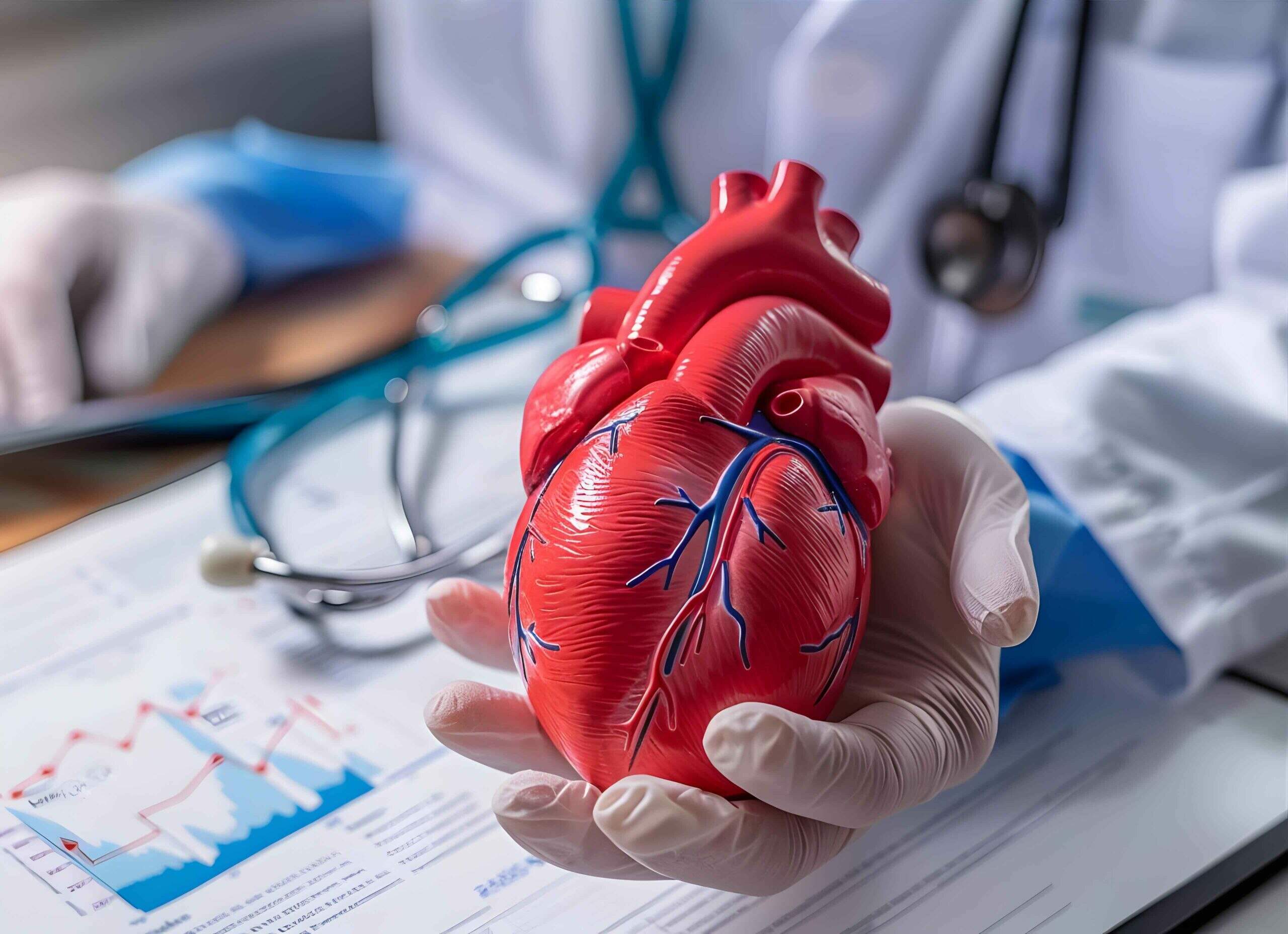
- Heart conditions: myocardial bridging, patent ductus arteriosus, valve or blood vessel problems;
- Blood disorders: hemophilia or sickle cell anemia;
- Cleft palate or cleft lip;
- Anencephaly, microcephaly, or hydrocephalus;
- Color blindness;
- Muscular dystrophy;
- Bicornuate uterus;
- Others.
Early diagnosis and detection
The diagnosis of congenital diseases can occur during pregnancy by an obstetrician, through blood tests or imaging. These tests should be performed during prenatal care, allowing the doctor to identify syndromes and malformations.
Diagnosis during the formation phase can be reinforced with other, slightly more invasive tests, such as amniocentesis or chorionic villus sampling, which involves analyzing the fetus's genetic material to identify syndromes and anomalies.
After birth, the diagnosis can be made by a neonatologist in the baby's first few days of life. This diagnosis is made through the newborn screening test (heel prick test) and physical examinations that assess motor skills, reflexes, and the main organs and systems.
It is possible that some congenital diseases may not be identified and may manifest during childhood. In this case, the diagnosis is made by the pediatrician, who is responsible for monitoring children's health.
Treatment and follow-up
Treatment for congenital diseases should be carried out by a pediatrician, varying according to the patient's condition. In some cases, medication is recommended to help control symptoms or prevent complications. For serious developmental problems, surgical intervention may be necessary to correct or alleviate the problem.
It is important to emphasize that medication and surgical procedures do not always correct the condition or syndrome, but they do help control symptoms and improve the patient's quality of life.
How to prevent congenital diseases?
It is not always possible to prevent a congenital disease, but some measures can be taken to reduce the risks, especially when it comes to exposure to certain situations.
For example, during pregnancy, it is essential to have proper medical follow-up through prenatal care, following all guidelines and undergoing the tests requested by the obstetrician to identify possible infections. It is also important for pregnant women to consult their doctors before using any medication and to avoid self-medication.
Furthermore, the consumption of alcoholic beverages, drugs, and tobacco should also be suspended.
For a healthy pregnancy, it is important for the pregnant woman to maintain a balanced diet and pay attention to the consumption of vitamins, nutritional supplements, and folic acid, for example. Similarly, she should also avoid consuming foods containing heavy metals.
Furthermore, under the guidance of a doctor, it is important for pregnant women to receive the necessary vaccinations and avoid traveling to areas with outbreaks of infectious diseases.
In this way, the pregnant woman provides better health for herself during pregnancy and reduces the risk of congenital diseases for the baby.