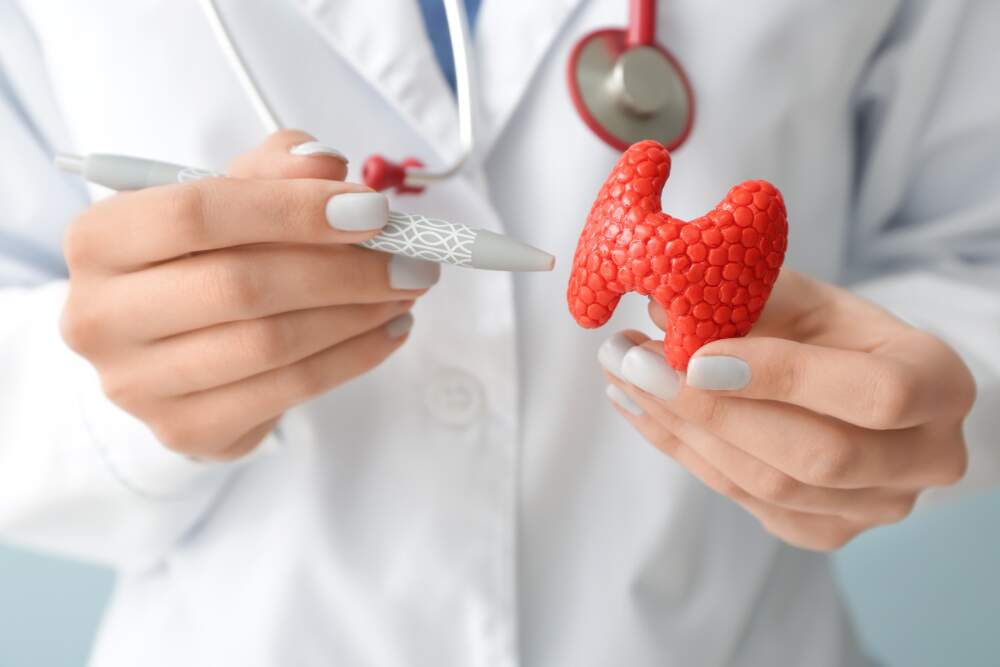


Hypothyroidism is a condition that affects millions of people worldwide and occurs when the thyroid gland does not produce enough of the hormones triiodothyronine (T3) and thyroxine (T4). These hormones are responsible for controlling metabolism, heart rate, and body temperature.
Although it is a common disease, diagnosis is not always straightforward, as many of its symptoms can be easily confused with signs of other health conditions.
In this article, you will better understand what hypothyroidism is, what its main symptoms are, and how the disease is diagnosed and treated.
What is hypothyroidism?
Hypothyroidism occurs when there is a reduction in the production of the thyroid hormones triiodothyronine (T3) and thyroxine (T4). This imbalance can arise from different factors, such as iodine deficiency in the diet, Hashimoto's thyroiditis, or tumors in the pituitary gland and hypothalamus, among others.
Although it can affect people of any gender or age, hypothyroidism is more common in women and the elderly. In the elderly population, symptoms often appear subtly, which can make early identification of the disease's signs difficult.
The condition can present itself in different forms, depending on its cause. Thus, among the best-known types are primary, secondary, and subclinical hypothyroidism.
Primary hypothyroidism
Primary hypothyroidism occurs due to decreased production of T3 and T4 hormones and increased levels of thyrotropin, or thyroid-stimulating hormone (TSH). Among the most common causes of this condition is autoimmune inflammation of the thyroid, usually resulting from an initial case of Hashimoto's thyroiditis, an autoimmune disease in which the immune system attacks the thyroid gland.
Primary hypothyroidism can also arise as a consequence of treatment for hyperthyroidism, whether through the use of radioactive iodine or surgical intervention. When the disease appears during the use of medications such as propylthiouracil, methimazole, or iodine in the treatment of hyperthyroidism, it usually regresses after the treatment is discontinued.
Secondary hypothyroidism
Secondary hypothyroidism occurs when there is a decrease in the production of Thyrotropin-Releasing Hormone (TRH) by the hypothalamus or a reduction in the production of thyrotropin, Thyroid-Stimulating Hormone (TSH), by the pituitary gland. Therefore, it is a chain reaction, since both hormones are responsible for stimulating the production of T3 and T4 hormones in the thyroid gland.
Subclinical hypothyroidism
Subclinical hypothyroidism occurs due to elevated TSH hormone levels, while T4 hormone concentrations remain normal. In these cases, the patient may present few symptoms, which are often confused with other diseases and make diagnosis difficult, or may even show no clinical signs of thyroid dysfunction.
In order to prevent the progression of the disease, even in cases where the patient does not present symptoms, treatment with medications that help regulate hormone levels is recommended.
Symptoms
Although the type of hypothyroidism can vary in cause and treatment, the common symptoms generally remain the same. These include:
- Muscle pain;
- Weight gain without apparent cause;
- Constipation;
- Hair loss and weak nails;
- Rough and dry skin;
- Cold intolerance and hypothermia;
- Excessive fatigue;
- Difficulty concentrating and poor memory;
- Depression, dementia and/or psychosis;
- Slow heart rate;
- Cardiac dilation.
In addition to the most common symptoms, other manifestations may occur that vary according to the patient's age or gender. In women, for example, the menstrual cycle is often altered.
Diagnosis and treatment
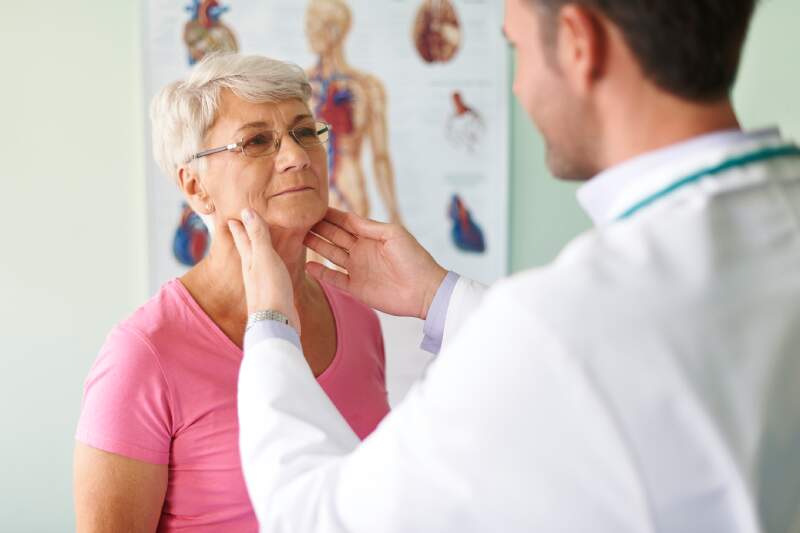
Hypothyroidism is diagnosed by an endocrinologist based on a combination of a complete clinical examination and laboratory tests. These tests include analyzing TSH and T4 levels, which are essential for identifying changes in thyroid function.
In addition, to confirm the diagnosis, the endocrinologist may also request antibody tests for thyroid enzymes or a thyroid ultrasound. These additional complementary tests help identify the cause of the disease and, therefore, more accurately identify the type of hypothyroidism.
This precision in diagnosis is essential to define the best treatment for each patient. In the case of hypothyroidism caused by the treatment of hyperthyroidism, for example, there is a possibility that the course of action will be simply monitoring the condition, without the need for medication.
However, the most common treatment for hypothyroidism is hormone replacement therapy. This therapy should be supervised by an endocrinologist and tailored to each patient's individual circumstances, particularly age and cardiovascular risk. In some cases, corticosteroids may also be necessary during treatment.
Postgraduate studies in endocrinology
Endocrinology is a medical specialty that is increasingly valued. Postgraduate studies represent an excellent opportunity for those who wish to deepen their knowledge in the field and work with greater confidence in the care, diagnosis, and treatment of patients.
Therefore, at São Leopoldo Mandic, the postgraduate program in Endocrinology offers in-depth theoretical content and complete practical experience with real patients and cases. All this to guarantee high-quality, up-to-date education with the main techniques and technologies available on the market.
So, click here and learn about the postgraduate program in Endocrinology at São Leopoldo Mandic to take the next step in your medical career!