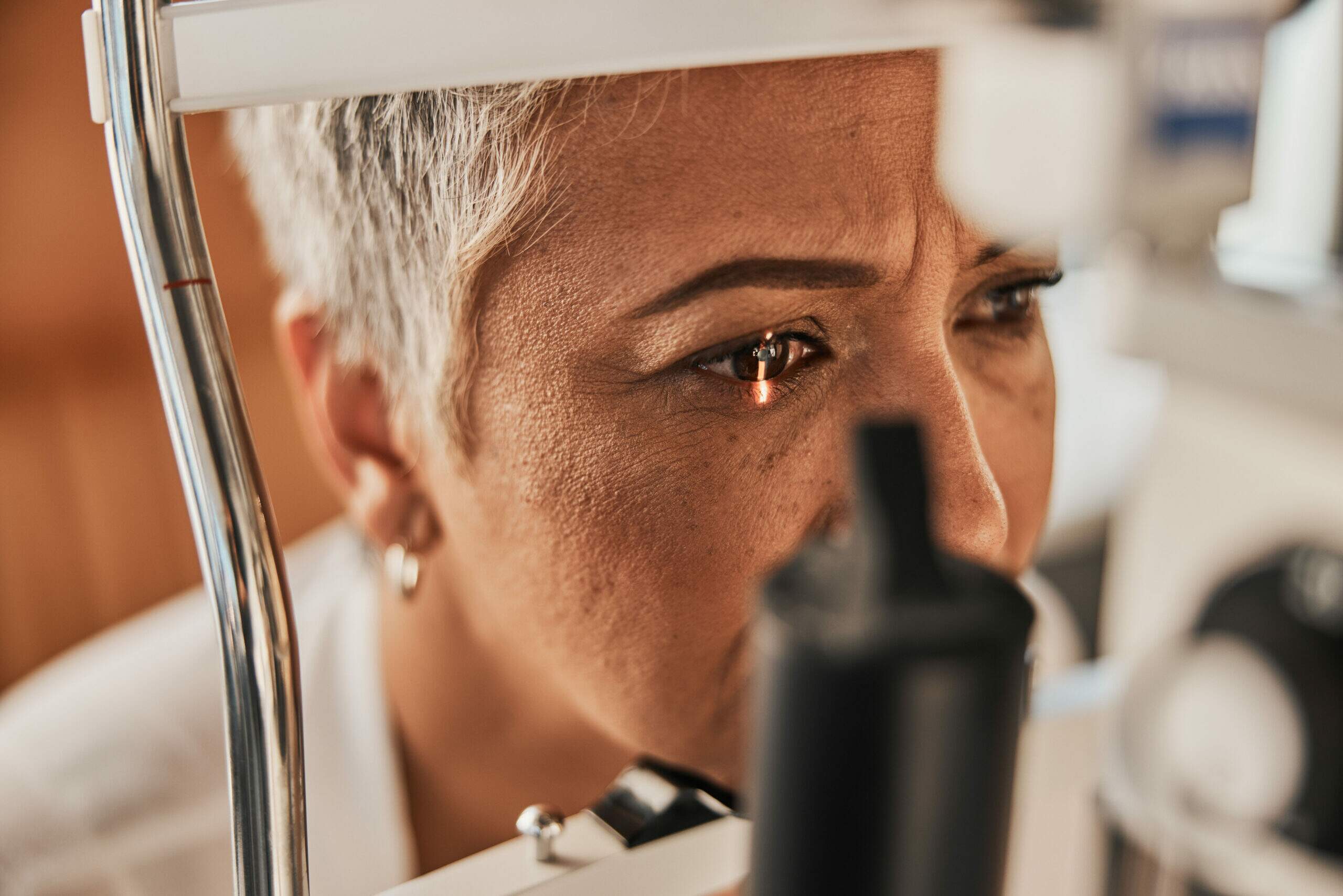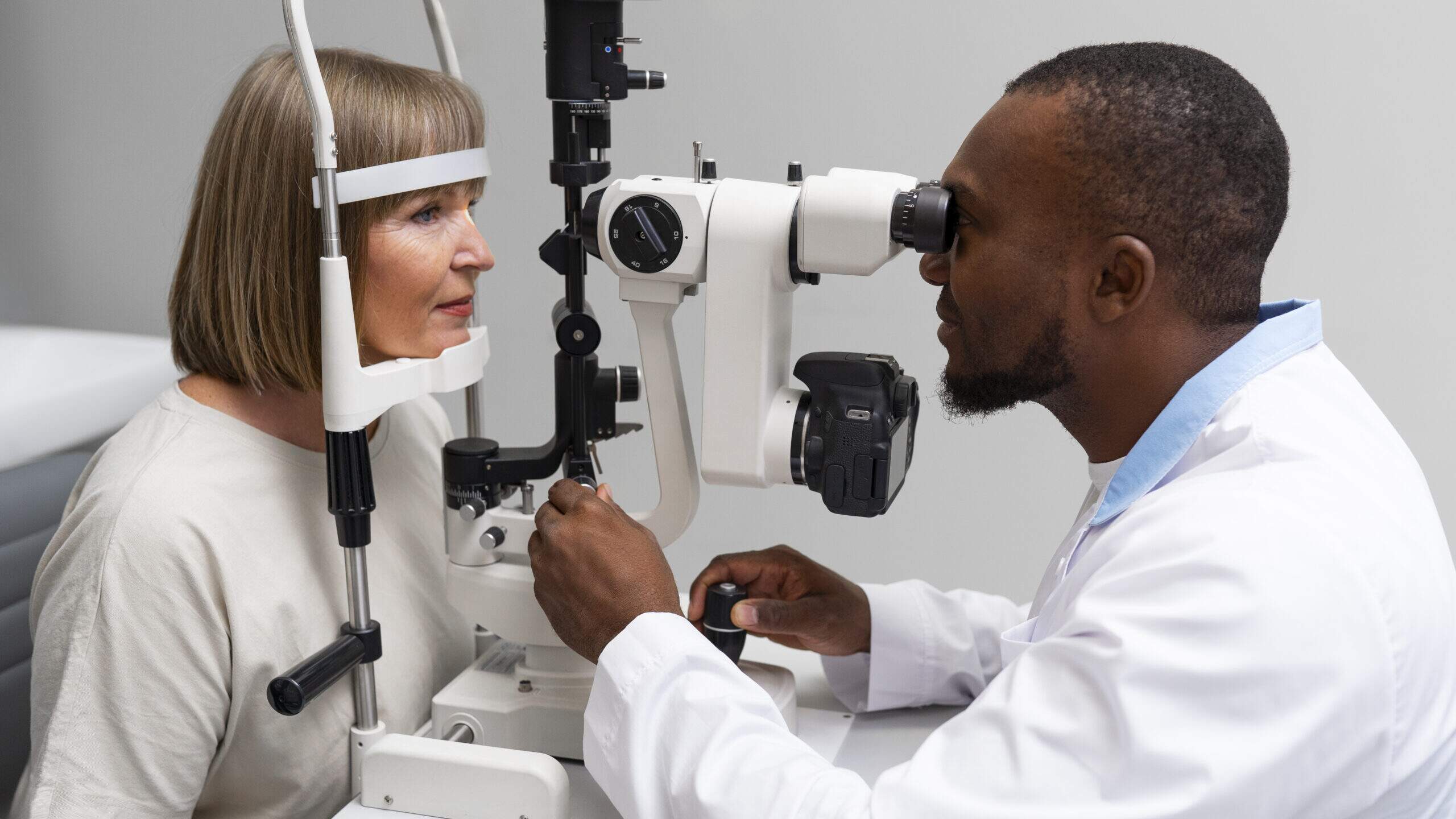


You're probably already familiar with the term "medical specialty," but what about subspecialties? Subspecialties are even more in-depth areas of knowledge and practice within a specialty.
In the case of Ophthalmology, one of the most promising fields in the market, subspecialties are mostly divided according to the parts and diseases of the eyes. For example, Anterior Segment Ophthalmology is the ophthalmological subspecialty that treats diseases and conditions affecting the "front part" of the eyes.
In this article, you will learn more about these subspecialties and their different areas of practice.
What are the subspecialties of Ophthalmology?
Currently, there is no official number of subspecialties recognized by the Federal Council of Medicine, but it is possible to list some of the best-known ones.
Anterior Segment
Anterior Segment is the ophthalmological subspecialty that, as previously mentioned, studies and treats diseases and conditions affecting the "front part" of the eyes. These conditions include refractive errors, corneal problems, cataracts, glaucoma, and others, most of which are treated through surgical interventions, corrective lenses, eye drops, medications, and other procedures.
Posterior Segment
Posterior Segment is the subspecialty responsible for the study and care of diseases and conditions that affect the "back" of the eyes. This subspecialty treats issues such as retinal detachment, macular degeneration, macular holes, uveitis, and others, through injectable medications, lasers, surgical interventions, and other types of procedures.
Plastic Surgery and Lacrimal Ducts
Subspecialty that addresses issues related to deformities and anomalies of the eyelids, involuntary movements, obstructions and infections of the tear ducts, using medications, lasers, and other surgical procedures.
Ocular Oncology
Ophthalmology is a subspecialty of ophthalmology dedicated to the diagnosis and treatment of eye tumors. In addition, professionals in this area may perform surgical procedures and use chemotherapy when necessary.
Neuro-ophthalmology
This subspecialty treats eye diseases and conditions related to the optic nerve and eye movement, which is controlled by the brain. Surgical interventions may be necessary depending on the patient's clinical condition, or medication and oral rehabilitation may be required.
Pediatric Ophthalmology
Unlike the other subspecialties already mentioned, this one does not focus on a specific part of the eyes, but rather on the care and monitoring of the ocular health of children and adolescents. Among the most traditional conditions treated by this subspecialty are: refractive errors, congenital or acquired strabismus, congenital cataracts, congenital glaucoma, among others.
Postgraduate studies in Ophthalmology
A postgraduate degree in Ophthalmology is an excellent option for medical graduates who wish to enhance their knowledge in this specialty and gain more confidence in the care, diagnosis, and treatment of their patients.
At São Leopoldo Mandic, the postgraduate program in Ophthalmology combines in-depth theoretical content and comprehensive clinical practice with real patients, selected according to the course modules. Patient care is supervised by masters and doctors active in the field and up-to-date with the main trends and technological innovations.
Click here to learn about the postgraduate program in Ophthalmology at São Leopoldo Mandic and take the next step in your medical career.