
Telemedicine initially aimed to provide care to patients in remote, hard-to-reach locations and/or areas with a shortage of medical professionals. With the increased availability of assistive technologies, coupled with a rise in demand for this type of care, it has gained popularity and today also assists in medical education and research.
In this article, you will understand what telemedicine is, how it works, and its advantages in medical care and education.
What is telemedicine?
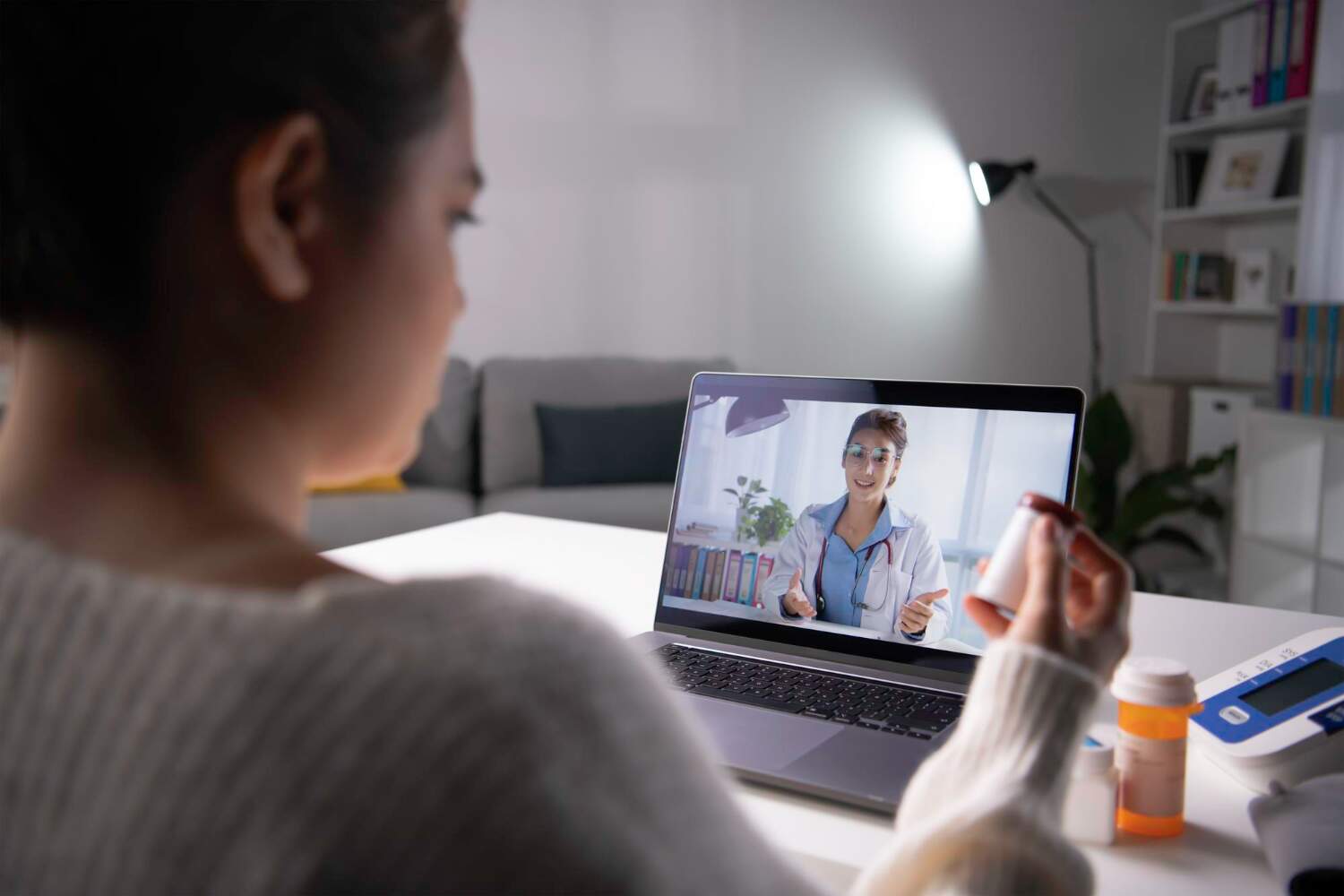
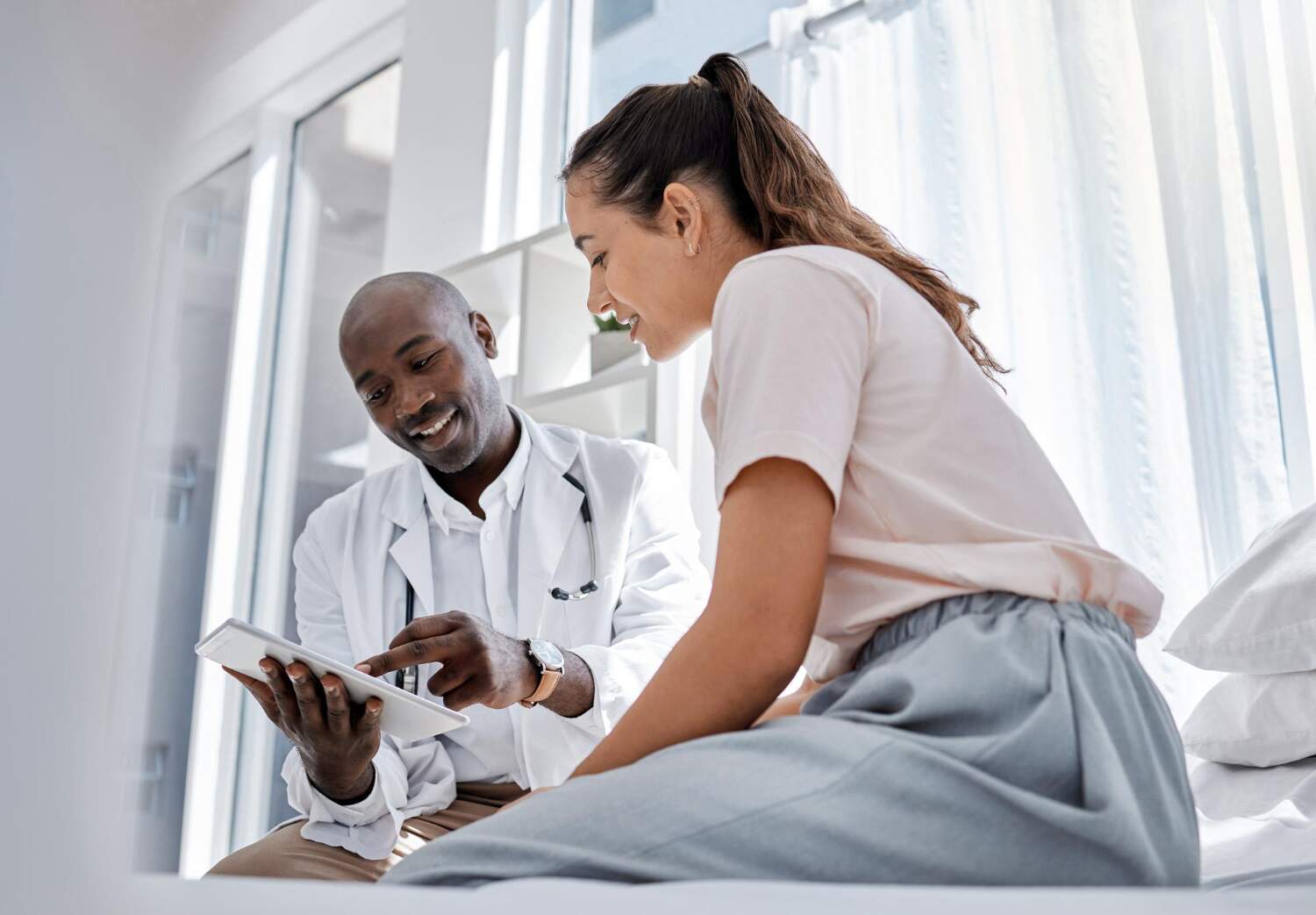
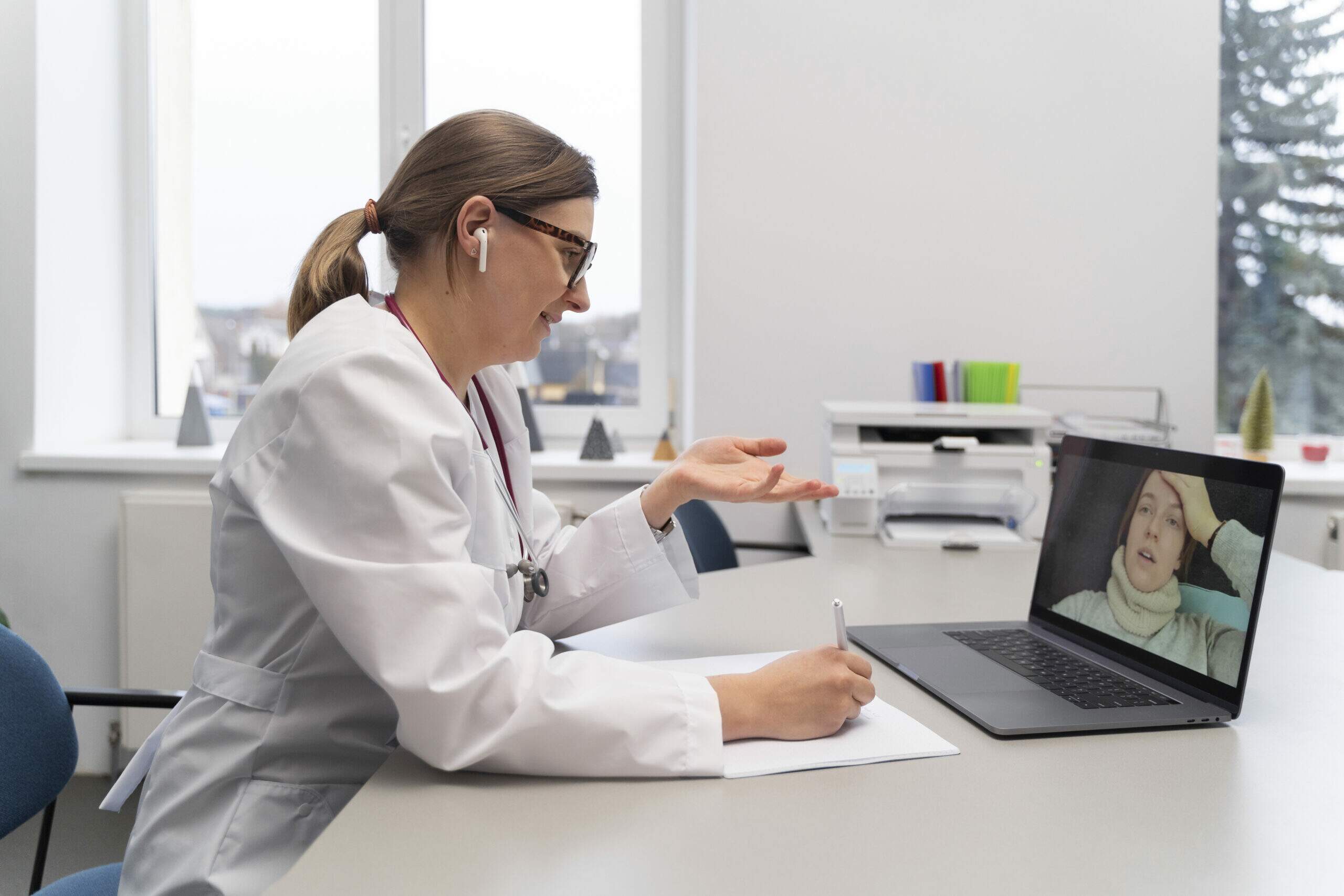
In simplified terms, telemedicine is a type of remote medical care. This modality allows for medical consultations and treatments to be conducted through online platforms, expanding access to healthcare and optimizing the time of both doctors and patients.
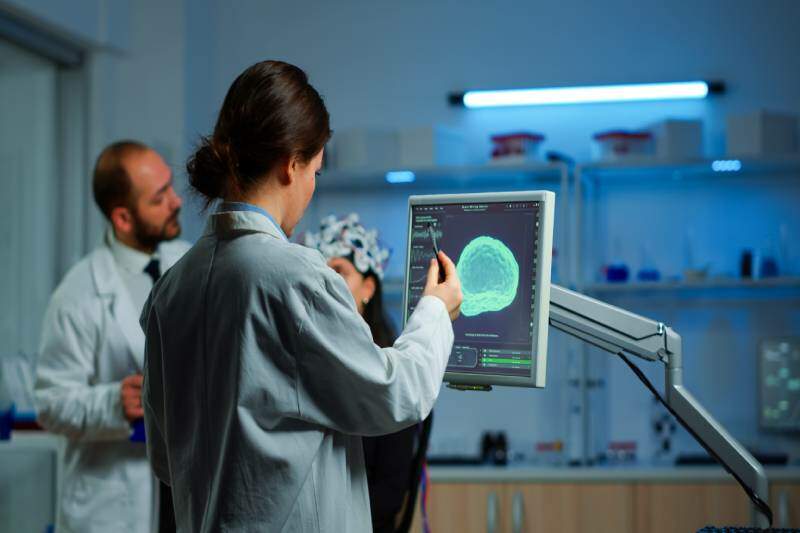
Telemedicine can also serve as a tool to aid education and research, as well as bring healthcare professionals closer together and enable collaboration between specialists remotely.
In Resolution No. 2,314/2022 of the Federal Council of Medicine (CFM), the official definition of telemedicine is:
“The practice of medicine mediated by Digital, Information and Communication Technologies (DICTs), for the purposes of assistance, education, research, disease and injury prevention, management and health promotion”.
The most recent legislation also defines the types of services that can be offered through telemedicine. These include: teleconsultation, teleconsulting, tele-interconsultation, telediagnosis, telesurgery, telemonitoring, and teletriage.
Regulation of telemedicine
Telemedicine is also regulated by CFM Resolution No. 2,314/2022. Among some of the requirements for the application of telemedicine, we can mention:
Article 4. Physicians are guaranteed the autonomy to decide whether to use or refuse telemedicine, indicating in-person care whenever deemed necessary.
Article 7. Teleconsultation is the exchange of information and opinions between physicians, with the aid of ICTs, with or without the patient's presence, for diagnostic assistance or
therapeutic, clinical or surgical.
Article 14. Medical teleconferencing via synchronous video transmission, for medical procedures, may be conducted for the purposes of assistance, education, research, and training, with the authorization of the patient or their legal guardian, provided that the group receiving images, data, and audio consists exclusively of physicians and/or medical students, all duly identified and accompanied by their tutors.
In general, the ethical specifications regarding telemedicine are very similar to those in medicine, prioritizing the preservation of professional confidentiality, ensuring that the patient always receives quality treatment, and respecting their freedom.
How does telemedicine work?
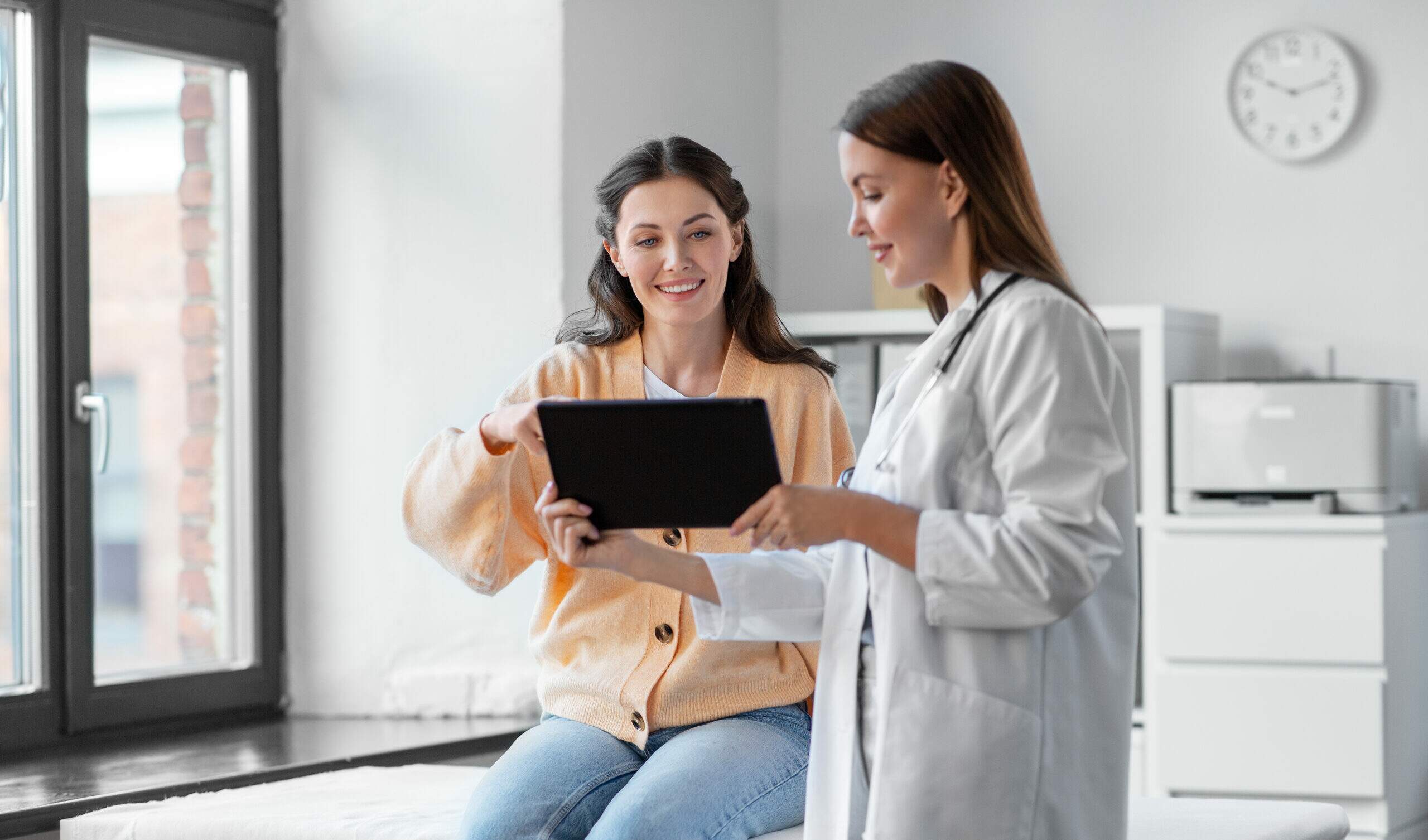
Telemedicine's main objective is to bring geographically distant doctors and patients closer together, and therefore it should utilize means such as smartphones, computers, and other portable devices that are easily accessible to the patient. From the doctor's perspective, it is important to use qualified equipment, software, and networks, offering maximum security for patient care.
In this secure virtual environment, patient information is exchanged during triage, consultation, follow-up, etc. These interactions can occur synchronously or asynchronously, via video call or SMS/WhatsApp.
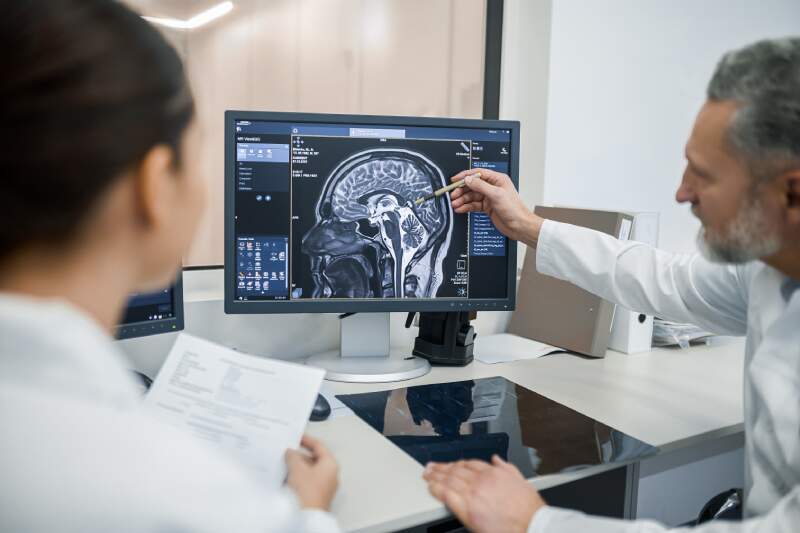
It's important to remember that, even though it's possible to read imaging exams and other tests via telemedicine, CFM Resolution No. 2,314/2022 allows doctors to choose to provide in-person care if they deem it necessary.
Another interesting point about the use of telemedicine, as mentioned earlier, is that it can also be used for purposes other than direct patient care. During teleconsultations, for example, it can be used to facilitate the exchange of information between different specialists about specific clinical cases or questions.
In the educational field, specifically in online teaching, telemedicine can be used for delivering courses, holding debates, and even participating in conferences.
What are the advantages of telemedicine?
Telemedicine is an alternative to in-person care that offers many advantages, both for doctors and healthcare institutions, and for patients.
For patients, telemedicine offers greater convenience, reducing waiting times in clinics and doctor's offices and travel to appointments, while also providing more comfort.
For doctors and healthcare institutions, telemedicine offers much greater convenience in storing patient information in the cloud and optimization. Furthermore, thanks to the overcoming of geographical barriers, it's possible to expand their patient and specialist base, thus generating more profit.
From a financial standpoint, certain cost reductions related to physical spaces can also be considered, prioritizing digital solutions.
When discussing the educational environment, it's important to mention that telemedicine breaks down geographical barriers and provides students with direct contact with specialists and leading figures in medicine remotely, strengthening the exchange of information and knowledge.
In some postgraduate medical courses, such as at São Leopoldo Mandic, distance learning is widely used for the transmission of classes, content, and, in some cases, practical consultations. In Psychiatry and Endocrinology, where remote consultations can occur without affecting the quality and accuracy of diagnosis and treatment, patients are triaged according to the course modules and referred for online consultations with students during practical classes.
In this way, doctors seeking to deepen their knowledge in a specialty are not hindered by travel issues and have access to quality content with renowned professors. Furthermore, this teaching method offers doctors a greater opportunity to reconcile their studies with their professional routine.
Click here to learn more about the medical postgraduate courses at São Leopoldo Mandic and take the next step in your career.