
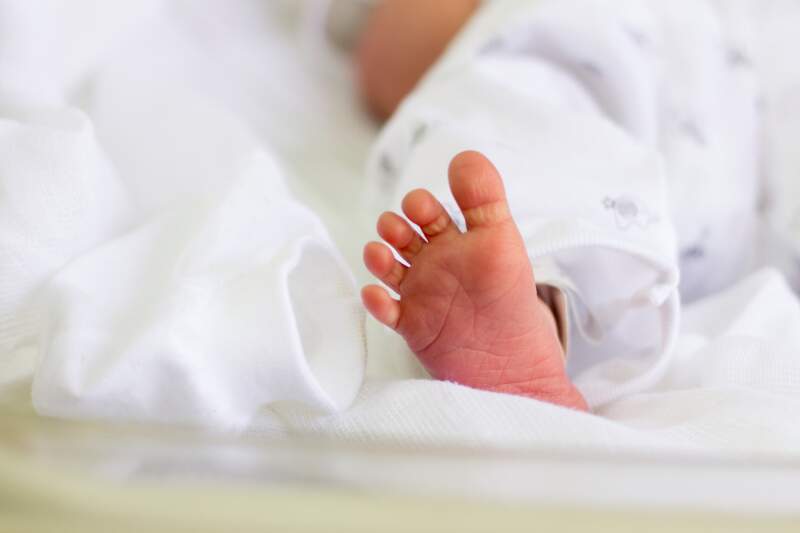
Commonly known as the Newborn Screening Test, Biological Neonatal Screening is an examination performed on newborns that allows the detection of a range of genetic and metabolic diseases. This early identification makes it possible for treatment to begin quickly, preventing impacts on the child's development.
In this article, you will understand what the Newborn Screening Test is and how it can influence the development and quality of life of children.
What is the newborn screening test?
The Newborn Screening Test (Heel Prick Test) is an examination that should be performed on all newborns and aims to identify diseases that can affect the child's physical and mental development.
The ideal time for sample collection can vary depending on the technology used and the diseases included in the screening. However, according to the Ministry of Health, the recommendation is to perform the test between the second and fifth day after birth, thus ensuring the most accurate results.
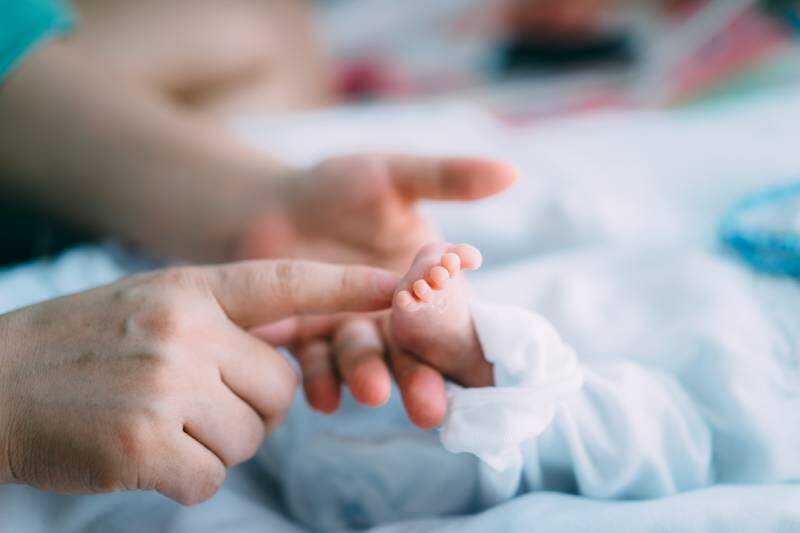
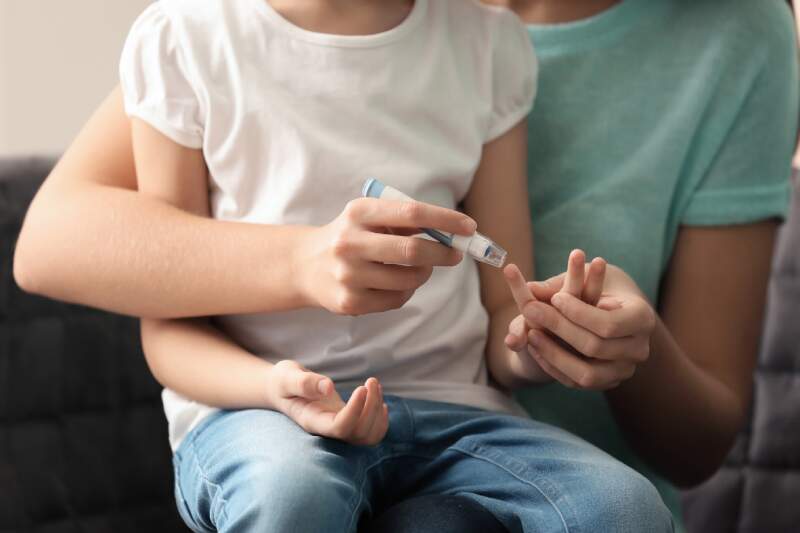
The test uses blood samples taken from the newborn's heel. The professional then performs a heel prick and collects the material on filter paper. After drying, this sample undergoes analysis in specialized laboratories of the Neonatal Screening Reference Services.
When the results indicate suspicion for any of the diseases investigated, the child should undergo further confirmatory tests. Subsequently, they receive appropriate treatment and follow-up care from specialists.
Why do the Newborn Screening Test?
According to the Ministry of Health, every newborn should have access to both the Newborn Screening Test (Heel Prick Test) and the other stages of the Neonatal Screening process. In some states, such as São Paulo, the test is mandatory and free by law. In this case, the test offered is a more basic version of the test by the Unified Health System (SUS). More complete versions of the test are not offered free of charge, but can be found in private laboratories and through some health insurance plans.
The need to perform the Newborn Screening Test is directly related to the importance of early diagnosis of the diseases investigated. This is because the test identifies rare conditions, genetic, metabolic, and infectious diseases. When not properly treated or treated late, these diseases can cause serious problems in the child's physical and mental development, as well as a risk of death.
With the Newborn Screening Test, it is possible to identify the disease in the first few days of life, allowing treatment to begin quickly. Furthermore, this early treatment can help prevent serious complications and long-term effects, reducing the impact of the disease and providing a better quality of life.
Diseases identified in the Newborn Screening Test
According to the Ministry of Health, the Unified Health System (SUS) performs the Newborn Screening Test (Heel Prick Test) following the guidelines of the National Neonatal Screening Program. The test screens for the following diseases:
- Phenylketonuria;
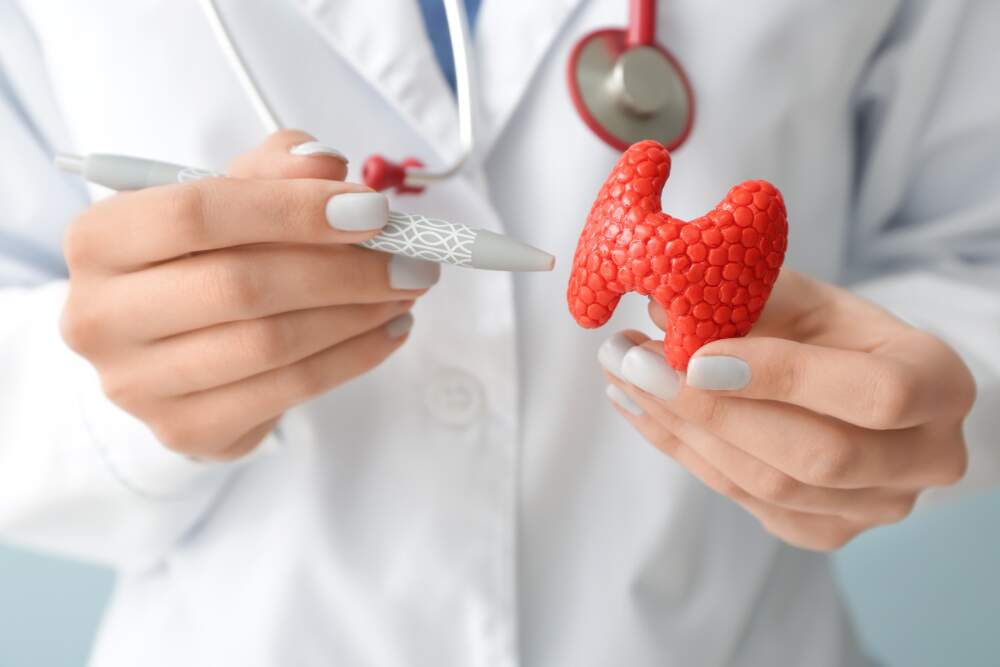
- Congenital hypothyroidism;
- Cystic fibrosis;
- Sickle cell anemia and other hemoglobinopathies;
- Congenital Adrenal Hyperplasia;
- Biotinidase deficiency;
- Congenital toxoplasmosis.
Postgraduate studies in Pediatrics
Postgraduate studies are an alternative to medical residency for physicians who wish to deepen their knowledge with greater professional freedom. During postgraduate studies in Pediatrics, physicians develop greater confidence in caring for children and adolescents. Furthermore, they expand their knowledge of child health and enhance their clinical skills.
At São Leopoldo Mandic, the medical postgraduate program combines comprehensive theoretical content with the highest number of practical hours on the market, working with real patients selected according to the course modules.
So, if you want to deepen your understanding of comprehensive child health, click here and learn about the postgraduate course in Pediatrics at São Leopoldo Mandic.