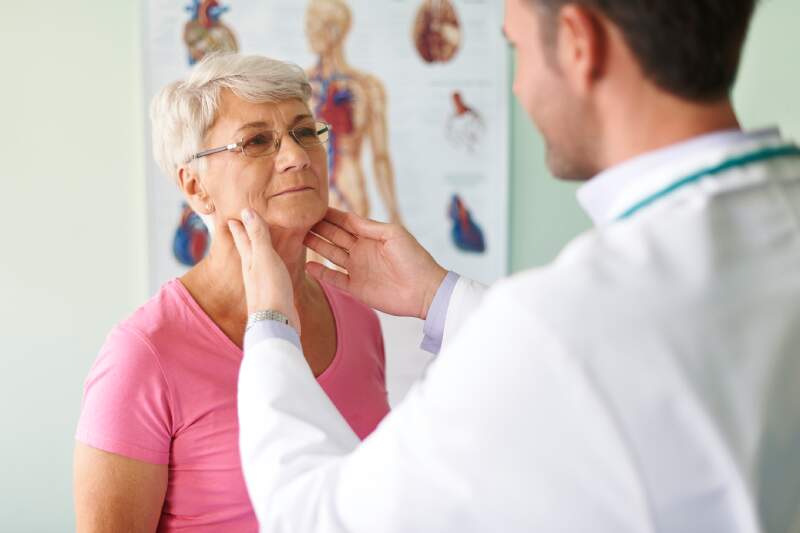


In medicine, collaboration between specialties is more common than one might imagine. Interdisciplinarity is an essential tool for the comprehensive care of the patient's health, being necessary in the treatment of a wide variety of clinical cases.
In ophthalmology, interdisciplinarity can be very necessary, since visual changes can be the first signs of diseases affecting other parts of the body, such as diabetes, hypertension, or neurological issues, for example.
In this article, you will understand what medical interdisciplinarity means in Ophthalmology and in what situations you can see this partnership happening in healthcare.
What is interdisciplinarity?
interdisciplinarity , also known as disciplinary collaboration, is the integration of two or more specialties to treat a disease or condition that affects more than one system or organ and requires the attention of more than one professional.
This practice is very common in the medical field and its main objective is to ensure that the patient receives a more accurate diagnosis and more effective treatment, based on the experience and collaboration between professionals with different skills and specialties.
It's important to remember that interdisciplinarity doesn't necessarily only happen between doctors; it can also involve professionals from other areas associated with physical and mental health, such as nutritionists, physiotherapists, psychologists, etc.
The role of Ophthalmology
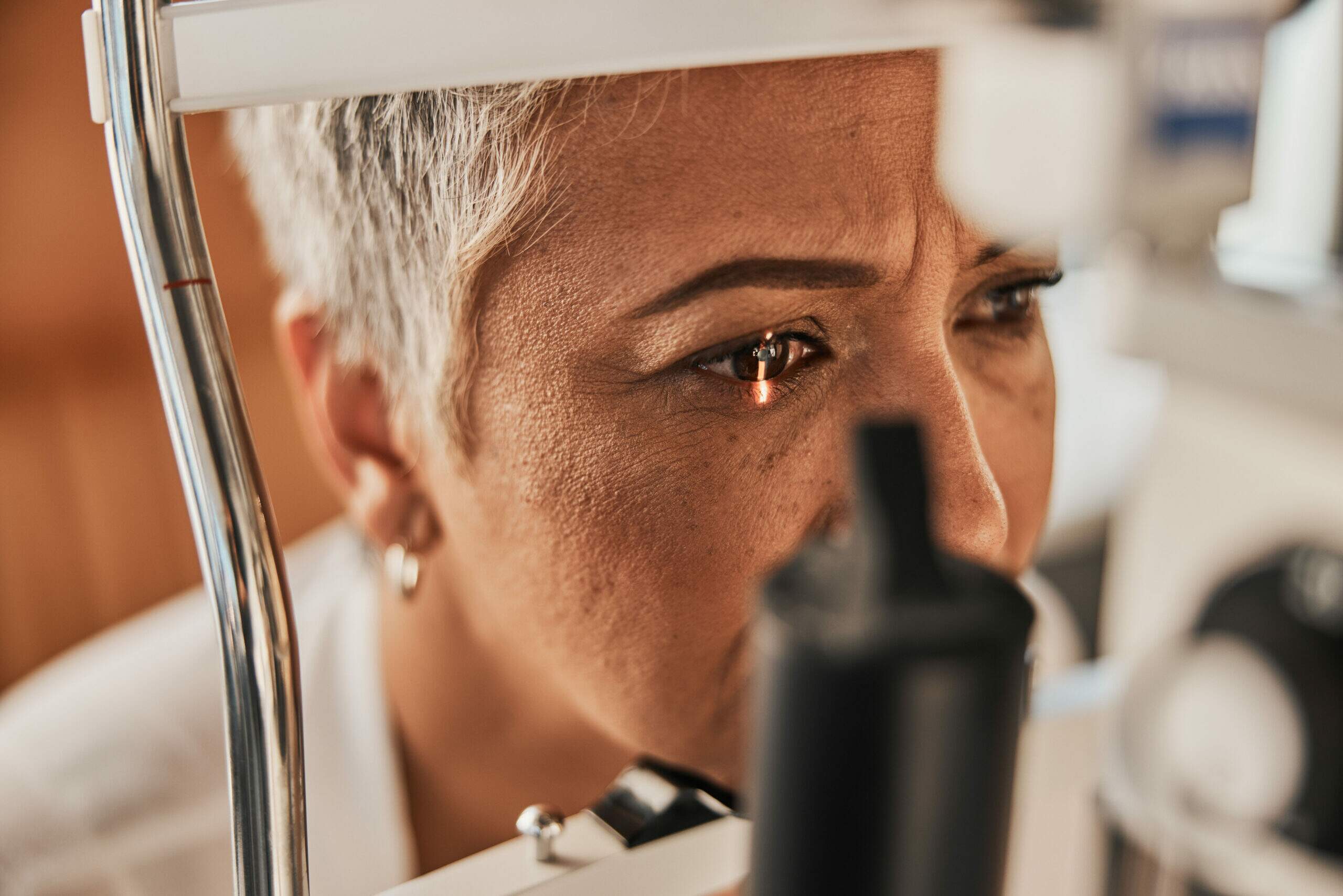
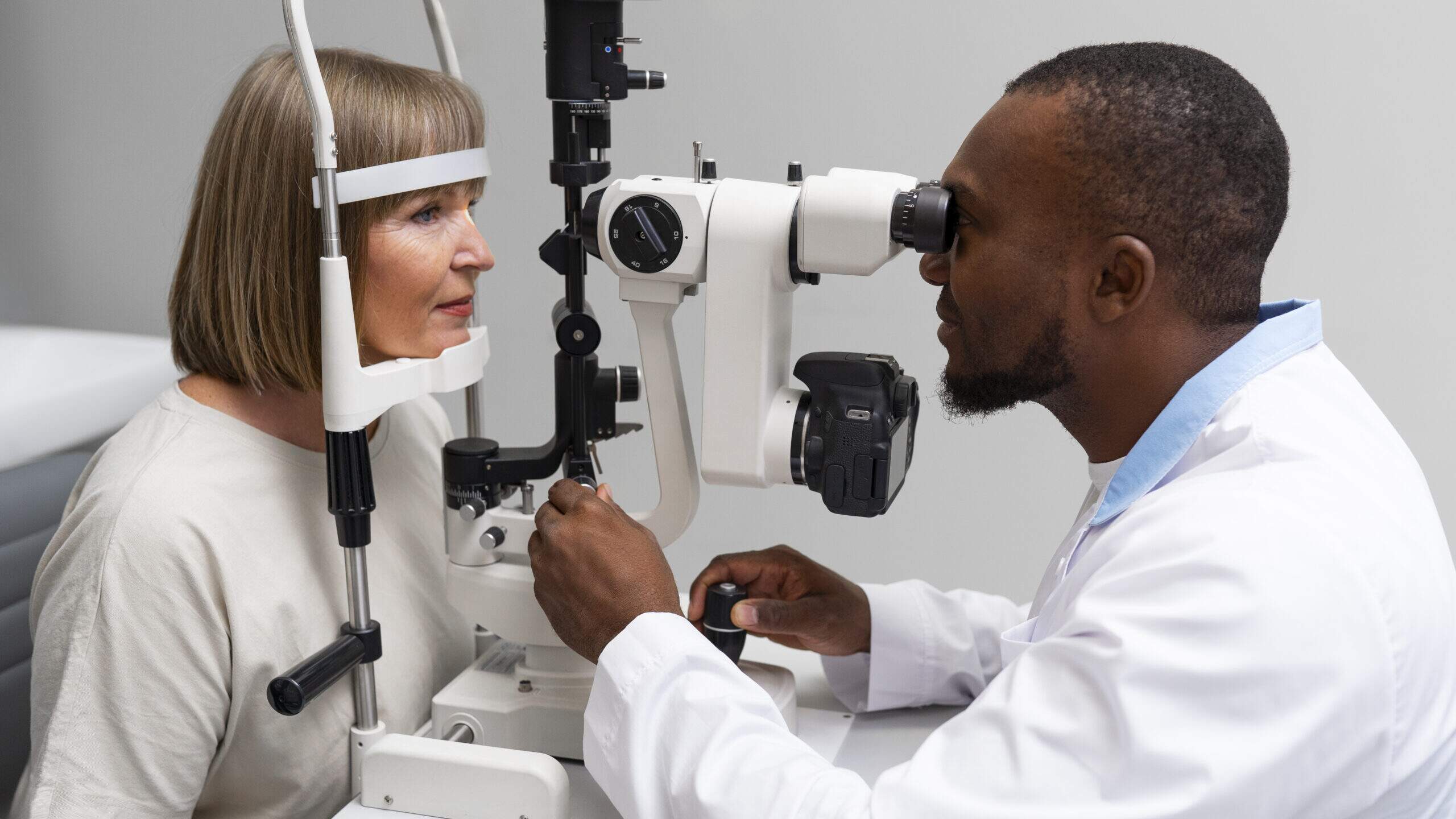
An ophthalmologist is a doctor focused on the care of eye health and vision, diagnosing and treating eye diseases, performing preventive examinations, and correcting vision problems through glasses, corrective lenses, or surgery. With such a broad field of practice, it's common to find ophthalmologists who seek to specialize in even more specific areas of ophthalmology, the subspecialties.
Among some of these subspecialties, we can mention:
- Anterior Segment: a subspecialty responsible for the care of diseases or conditions that manifest in the anterior segment, or "front" part of the eyes, such as: cataracts, glaucoma, corneal problems, and others.
- Posterior Segment: an area of Ophthalmology focused on the care and treatment of diseases and conditions that manifest in the "back" of the eyes, such as: retinal detachment, macular degeneration, macular hole, and others.
- Plastic Surgery and Lacrimal Ducts: This subspecialty deals with issues related to eyelid deformities and anomalies, lacrimal duct obstruction and infections, and others.
- Ocular Oncology: a subspecialty responsible for the diagnosis, treatment, and prevention of eye tumors.
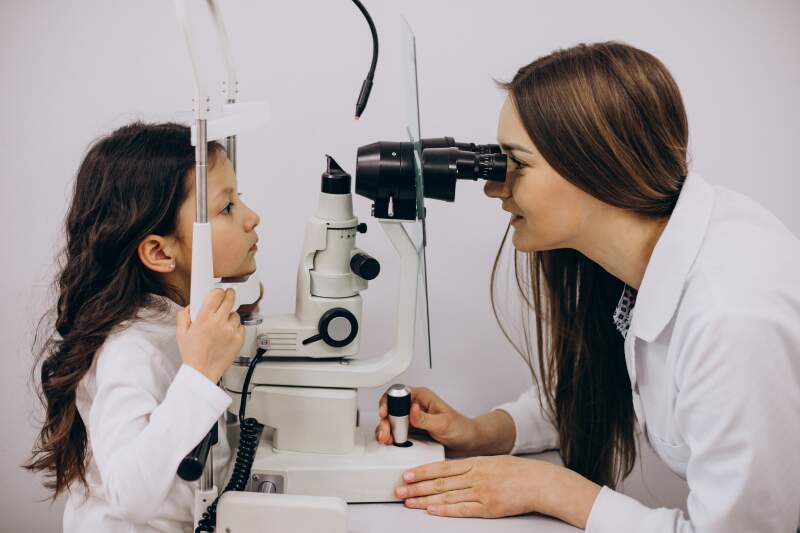
- Pediatric Ophthalmology: In this subspecialty, the focus is on the study and treatment of general eye health conditions considering the age of the patients. Among some of the conditions treated in this subspecialty, in addition to the more traditional ones, we can mention congenital diseases, such as: congenital cataracts, congenital glaucoma, strabismus (congenital or not), among others.
Ophthalmology and interdisciplinary medicine
Vision is one of the body's primary senses, and it can be easily affected by a range of systemic issues, directly impacting the patient's quality of life. In many cases, thanks to an interdisciplinary approach, the impacts on vision can be reduced or even avoided with early diagnosis.
Ophthalmology and Endocrinology
Diabetes can cause serious complications, such as diabetic retinopathy. In this context, interdisciplinary follow-up between Ophthalmology and Endocrinologyhelps control blood glucose levels, preserve vision, and improve the patient's quality of life.
Ophthalmology and Neurology
Sudden visual changes, such as partial vision loss or double vision, can in some cases be related to neurological diseases, including brain tumors and strokes, for example. Collaboration between an ophthalmologist and a neurologist allows for the rapid identification of these conditions.
Ophthalmology and Rheumatology
Autoimmune diseases, such as rheumatoid arthritis, can cause severe eye inflammation, and in more severe cases, even vision loss. Cooperation between rheumatologists and ophthalmologists ensures that treatment addresses both systemic manifestations and ocular complications.
Ophthalmology, Geriatrics and Cardiology
In the elderly, diseases such as hypertension and atherosclerosis can affect the blood vessels of the retina, increasing the risk of macular degeneration, a central retinal degeneration responsible for detailed and color vision. Interdisciplinary follow-up across different specialties prevents complications and preserves quality of life.
Postgraduate studies in Ophthalmology
A postgraduate degree in Ophthalmology is an excellent option for medical graduates who wish to enhance their knowledge in this specialty and gain more confidence in the care, diagnosis, and treatment of their patients.
At São Leopoldo Mandic, the postgraduate program in Ophthalmology combines in-depth theoretical content and comprehensive clinical practice with real patients, selected according to the course modules. Patient care is supervised by masters and doctors active in the field and up-to-date with the main trends and technological innovations.
Click here to learn about the postgraduate program in Ophthalmology at São Leopoldo Mandic and take the next step in your medical career.