

In medicine, each specialty plays a fundamental role in patient care, often working collaboratively to achieve this ultimate goal. It is in this context that medical interdisciplinarity emerges.
In this article, you will understand what medical interdisciplinarity is, its importance, and some of the cases in which this concept applies.
What is medical interdisciplinarity?
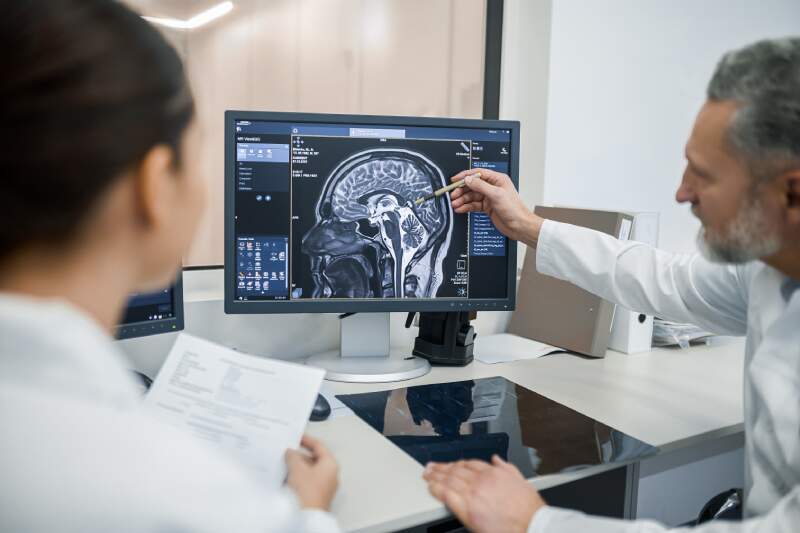
Also known as interdisciplinary collaboration, or simply medical collaboration, interdisciplinarity is the integration of two or more areas in the treatment of a disease or condition that affects or is caused by more than one system or organ of the human body.
This partnership aims to ensure that patients receive a more accurate diagnosis and more effective and safe treatment, through the combination of knowledge, perspectives, and skills across different specialties.
Making it clear that interdisciplinarity does not necessarily occur only between medical specialties. It can also occur in partnership with related professionals, such as biomedical scientists, physiotherapists, psychologists, and others.
What is the importance of interdisciplinary medicine?
The main purpose behind interdisciplinary medicine is to ensure efficient patient care. This is because, as mentioned earlier, there are many cases in which treatment involves more than one specialty.
An example of this is in the diagnosis and treatment of Diabetes Mellitus, a group of metabolic diseases characterized by high blood glucose levels. Treatment of this condition typically involves specialists in Endocrinology, Ophthalmology, Cardiology, Nephrology, Neurology, among others. Each is responsible for a part of the treatment and for improving the patient's quality of life.
In what situations do we see medical interdisciplinarity?
The diagnosis and treatment of Diabetes Mellitus is just one of many examples where interdisciplinary medical practice can, and should, be applied. Among other cases, it is possible to mention:
Systemic or cutaneous lupus erythematosus
The rheumatologist plays the central role in the diagnosis and treatment of the disease, but relies on the multidisciplinary approach of other specialties in monitoring and controlling the symptoms. Depending on the patient's condition and the variation of the autoimmune disease, treatment may be provided by dermatologists, neurologists, cardiologists, pulmonologists, among others.
Alzheimer
As with other diseases, a general practitioner may be the starting point for the initial diagnosis of Alzheimer's, but treatment is directed by neurologists in collaboration with geriatricians, psychiatrists, occupational therapists, and others.
Hyperthyroidism
Treatment for hyperthyroidism is primarily guided by an endocrinologist, but may also involve collaboration with other professionals, such as cardiologists, surgeons, and others, depending on each patient's specific conditions.
Ramsay Hunt Syndrome (SRH)
Because it is a neurological syndrome, it is primarily treated by neurologists, but may involve the participation of otolaryngologists, speech therapists, physical therapists, and, in severe cases, surgeons.
Medical interdisciplinarity
For a physician, working in healthcare means not only understanding their role, but also being prepared to integrate their knowledge with other professionals.
To achieve this, the doctor must be open to dialogue with the patient, constantly seek to update their knowledge, and develop the ability to understand when collaboration between different areas will be necessary, ensuring the best diagnosis and the most effective treatment for each patient.
Therefore, interdisciplinarity is a tool that contributes to the advancement of medicine, fostering discoveries, innovations, and increasingly effective practices. This exchange not only enhances clinical outcomes but also ensures a more humanized and patient-centered care experience.