

For those who always strive for success, a medical degree isn't the final step. And, increasingly, dermatology is becoming an extremely attractive option for this career path. So, dermatology: is this postgraduate course worth choosing for your career?
Anyone who thinks dermatology is only associated with aesthetics is completely mistaken. This medical specialty is full of challenges and advantages that those who don't work in the field can't even imagine. Keep reading and find out: dermatology, is this postgraduate course worth choosing for your career?
Before deciding whether postgraduate studies are worthwhile, what exactly is dermatology?
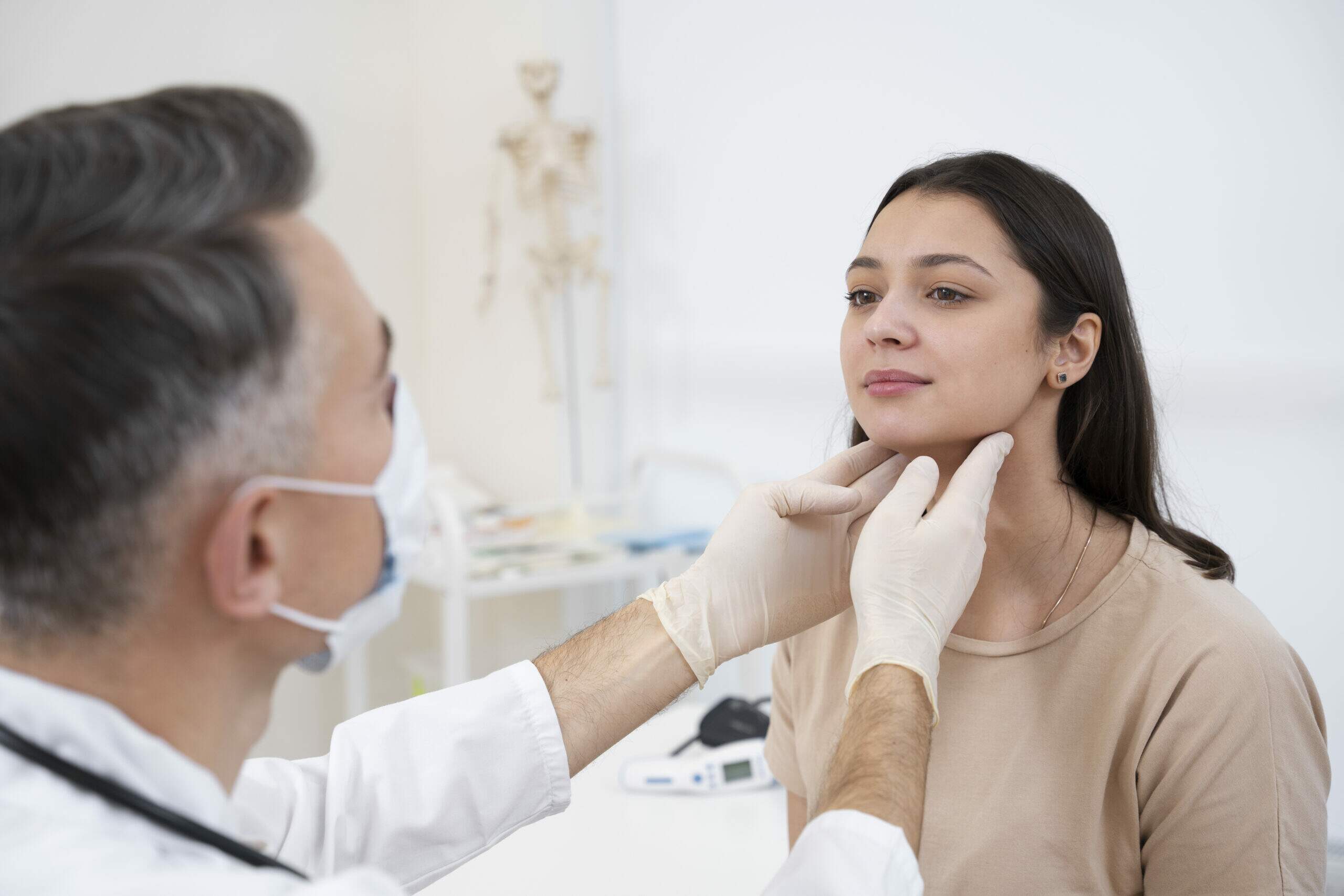
Dermatologists are professionals specialized in the diagnosis, treatment , and control of various conditions affecting the largest organ in the human body: the skin, as well as hair, nails, and subcutaneous tissues.
This responsibility can be a unique opportunity doctors newly graduated: after their clinical practice period, with a few more years immersed in postgraduate dermatology training, they can reach diverse audiences, gain market share in their regions, and, of course, help thousands of people.
Although many believe that this specialization is limited to serving patients who prioritize self-image, a large portion of the people who seek dermatologists are actually looking for solutions to serious problems.
So, dermatology isn't just about aesthetics?
Definitely not. Among the most serious problems these specialists face is melanoma, a type of skin cancer that requires special attention, especially in people with a family history. Maintaining regular medical follow-up is crucial for early diagnosis, which can increase the chances of a cure.
Other types of skin cancer, such as basal cell carcinoma and squamous cell, also require care, but are less aggressive. Early diagnosis, in all cases, is essential for effective treatment.
In addition, dermatologists are trained to treat:
- Allergies
- Infectious diseases (such as ringworm, for example)
- Immunological issues
- And even leprosy, one of humanity's oldest diseases.
And the dermatologist is the one who deals with this last point. Being a chronic disease, leprosy affects the skin and nerves, causing loss of sensation and muscle weakness. Although it is curable, the damage can be permanent if proper treatment is not given in time.
Are there more cases in which a dermatologist can help?
Yes. Dermatology also plays an important role in self-esteem and mental health patients'
Treatments for seemingly simple conditions can make a significant difference in self-confidence people's emotional well-being. After all, many patients suffer from:
- Acne
- Rosacea
- Scars
- Dry or oily skin
- Hair loss
- Nail problems
- And other aesthetic
Dermatology is one of the most highly regarded fields for the future
Dermatology: Is it worth choosing this specialization? Yes, although many believe it's limited to treating patients who prioritize self-image, most people who seek dermatologists are actually looking for solutions to serious problems.
In addition to all this, specialists in the field of dermatology have been increasingly in demand.
This is because concern about image and the resources related to these issues are constantly evolving. Every day there is a new aesthetic procedure to be applied – and no professional is better suited to offer it safely than a dermatologist.
We see many sad cases of people performing procedures without having the necessary knowledge – and the results are even more worrying.
Therefore, being a physician with clinical specialization in dermatology is not just a way to achieve success – but a way to ensure that people seeking their best selves can find them with greater safety, quality , and expertiseinjections botulinum toxin (Botox) or facial fillers, for example, will certainly prefer to do so with a medical professional.
He is the right professional to prescribe a wide range of treatments in this area, whether it's handling the equipment used in procedures (such as lasers and certain substances, for example) or prescribing medications, creams, ointments , or lotions.
In addition to all this, dermatologists can also specialize in dermatological surgeries, from the simplest, such as biopsies, to the most complex.
What is the daily routine like for someone working in this field?
Most of the work of dermatologists takes place in:
- Clinics
- Outpatient clinics
- And their own offices.
Consultations can vary in complexity, depending on the factors causing the problems, such as sun exposure or immune system issues.
Here are some qualities that a good dermatologist has:
- Attention to detail
- Excellent visual memory.
- Ability to identify similar diseases
- Gentle handling (for more sensitive procedures)
- Good rapport with patients (especially in cases where self-esteem is affected)
- Consequently, empathy and knowing how to deal with emotional issues
Did you identify with the area?
Dermatology: This specialization is worth choosing if you seek success in your medical career, doing one of the most rewarding things in life: helping people feel better about themselves.
With a curriculum that encompasses both science and sensitivity, this specialization goes far beyond aesthetics. For this reason, and due to its high demand, it is one of the postgraduate most advantageous available on the market.
How about learning more? CLICK HERE