

One of the main functions of a doctor specializing in endocrinology is to treat thyroid gland diseases, as they affect people worldwide. In fact, understanding the main thyroid diseases is essential for anyone wishing to specialize in this area. However, it's important to know not only the diseases themselves, but also how each one is treated, and that explanation is provided here.
The thyroid gland, located in the front of the neck, only becomes visible when there is some alteration. Under the regulation of the pituitary gland, it releases hormones fundamental to metabolism. Therefore, understanding the main thyroid diseases is essential, since they also influence mood and emotional balance.
The thyroid is a gland responsible for producing hormones that regulate metabolism and various bodily functions. In fact, the thyroid itself is not a disease, but when it doesn't function correctly, it can cause serious dysfunctions that affect both the body and mind.
However, it is common for people to confuse the thyroid with a disease, as we often only hear about it in the context of health problems, such as hypothyroidism or hyperthyroidism.
Moreover, because these conditions are so frequent, understanding the vital role of this gland is essential for identifying and treating problems early on. However, it is necessary to be aware of the symptoms in order to act quickly.
Below, you can find information about the main thyroid diseases, highlighting their characteristics, clinical signs , and the best ways to prevent them. Furthermore, understanding how these conditions affect people's daily lives is a crucial reason why more and more professionals are choosing to work in the field of endocrinology.
What is the purpose of the thyroid gland?
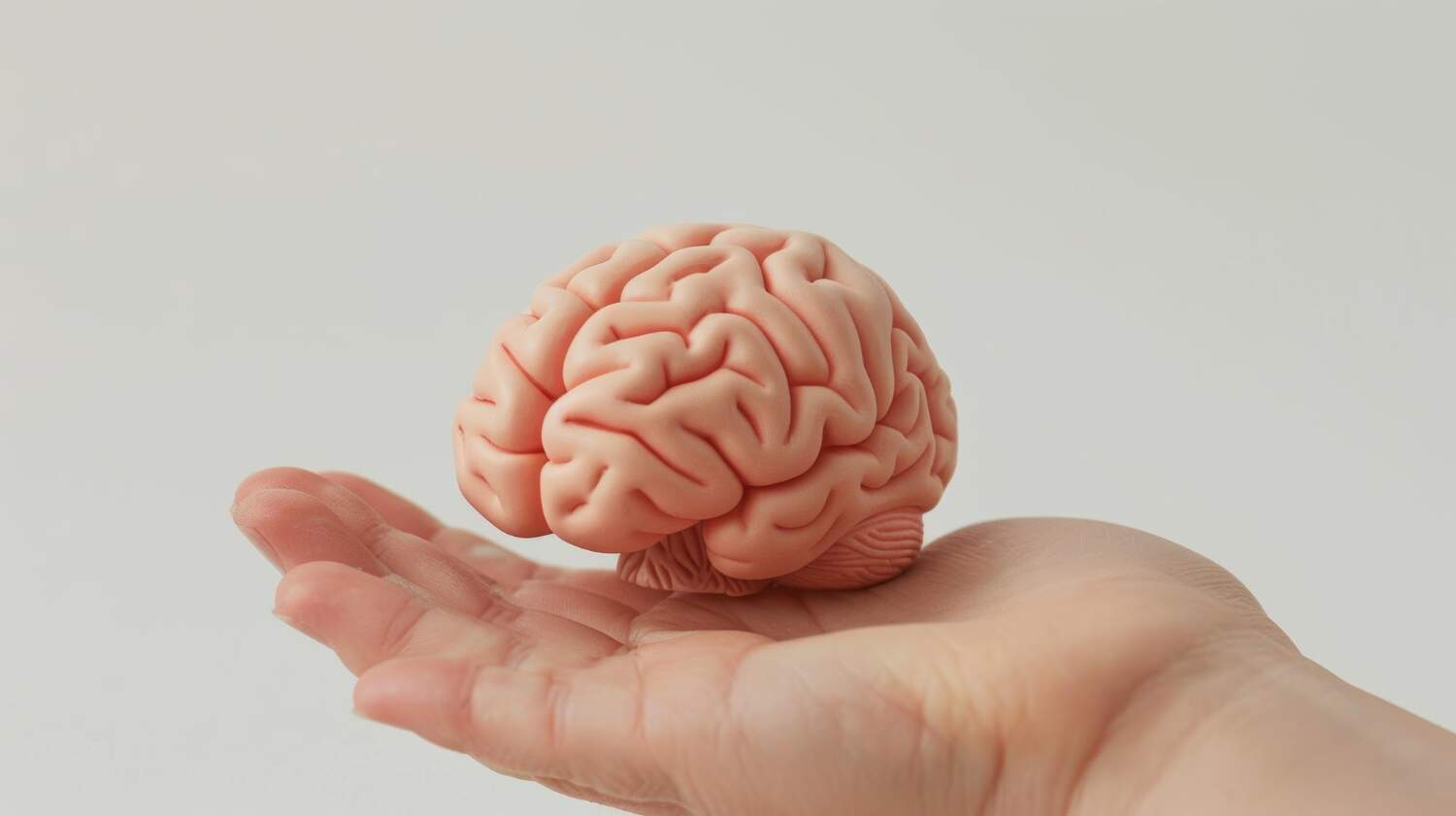
The thyroid gland is controlled by the pituitarygland, located in the brain, which in turn is regulated by the hypothalamus. Therefore, because it is controlled by the pituitary gland, problems in these areas can compromise its function.
When problems occur in these areas, thyroid function can be compromised. The main function of the thyroid is to produce two hormones vital for metabolism: T3 (triiodothyronine) and T4 (thyroxine).
What are the main thyroid diseases?
An endocrinologist is the specialist who treats this type of dysfunction. In fact, when the gland doesn't function correctly, it can produce hormones in excess, leading to hyperthyroidism, or in insufficient quantities, resulting in hypothyroidism. However, both cases require medical attention, as they can have significant impacts on health.
The most common conditions are:
- Disorders that cause hypothyroidism;
- Disorders that cause hyperthyroidism;
- nodules Thyroid
- Goiter;
- tumors Thyroid
See the details for each one:
Goiter
This condition involves an enlarged thyroid gland, which can be noticed in the front of the neck. It occurs in both hypothyroidism and hyperthyroidism, but is more common in the latter.
In fact, until the beginning of the 20th century, iodine deficiency in the diet was the main cause of goiter, which is why iodine was added to table salt, solving this problem.
Hypothyroidism
Hypothyroidism, in fact, is usually associated with Hashimoto's thyroiditisdisease autoimmune in which antibodies attack the thyroid tissue itself, leading to progressive destruction of the gland and reduced hormone production. However, the most common symptoms include:
- Mood swings and anxiety;
- Anemia;
- Increased cholesterol;
- Tiredness and weakness;
- Constipation and gas formation;
- Joint and muscle pain;
- Weight gain;
- Irregularities in the menstrual cycle;
- Dry skin;
- Hair loss and weak nails;
- Sensitivity to cold;
- Tachycardia.
These symptoms appear because a lack of thyroid hormones affects metabolism and other systems.
Hyperthyroidism
In hyperthyroidism, Graves' disease is the main cause, as it results in the overproduction of hormones by the thyroid gland. Another possible cause is iodine deficiency in the diet, however, this is quite rare nowadays.
Symptoms include:
- Cardiac arrhythmias;
- Enlarged thyroid (goiter);
- Increased thirst and appetite;
- Brittle hair and nails;
- Itching all over the body;
- Difficulty concentrating and sleeping;
- Muscle weakness;
- Heat intolerance;
- Irritability, anxiety, and depression;
- Protruding eyes;
- Osteoporosis;
- Moist skin;
- Weight loss.
Thyroid nodules
These are small, mostly benign growths that appear in the gland tissue. They generally don't cause symptoms; however, it's important to have regular checkups, especially if there's a family history of thyroid disease.
This is because these formations can be hereditary, but it is not possible to determine the cause in each case with certainty
Thyroid tumor
Although rare, thyroid cancer is more common in women, especially between the ages of 30 and 60.Thanks to medical advances, when diagnosed early, treatment has excellent results.
How are the main thyroid diseases diagnosed?
The main tests for evaluating the thyroid include:
- Hormone dosage: evaluates thyroid function by checking T4 and TSH levels;
- Antibody testing: identifies autoimmune diseases, such as Hashimoto's thyroiditis and Graves' disease;
- Biopsy or puncture: indicated for suspicious nodules;
- Ultrasound: assesses the size and characteristics of nodules;
- Scintigraphy: used when there are doubts about the diagnosis of hyperthyroidism.
What are the treatment options for the main thyroid diseases?
Treatment varies depending on the dysfunction. See some examples below:
Hypothyroidism: hormone replacement;
Hyperthyroidism: antithyroid drugs, radioactive iodine therapy, or surgery;
In addition to all this, it's worth remembering that the integration of technology in Endocrinology has facilitated the teaching and practice of this clinical specialty. This greatly improves both the understanding of thyroid diseases and their treatments.
What else does an endocrinologist do?
Medical students nearing the end of their studies may choose endocrinology as a specialty for several reasons. Firstly, many are attracted to the opportunity to work in a field that deals with the treatment of diseases that affect patients' quality of life, such as major thyroid diseases.
Furthermore, endocrinology offers the chance to work with a diversity of hormonal and metabolic conditions, which provides continuous and comprehensive learning.
Ultimately, by pursuing postgraduate studies in endocrinology, they not only cure diseases, but also have a direct influence on the well-being and the course that many people's lives take.
Moreover, thyroid dysfunction can affect various aspects of a patient's life, impacting not only physical health but also profoundly the mind, consequently affecting work, studies, family relationships, friendships, and many other factors.
For this reason, becoming a specialist in the field of endocrinology and opening your own practice, for example, may be precisely the path to the success you seek.
Learn more about the course details by CLICKING HERE.