
Epilepsy is one of the oldest diseases recognized by humankind, with written records dating back to 4000 BC. Since then, science and medicine have evolved significantly, and today it is possible to diagnose and treat the condition, providing a better quality of life for people affected by the disease and, in some cases, even leading to a cure.
In this article, you will understand what epilepsy is, how it manifests itself, and how diagnosis and treatment work.
What is epilepsy?
Epilepsy is a neurological condition caused by a temporary and reversible alteration in brain function, resulting from abnormal energy discharges. The disease manifests as seizures, also called epileptic crises. These seizures occur at varying intervals and are not caused by high fever, head trauma, drugs, or metabolic disorders.
According to the World Health Organization (WHO), these seizures can last seconds or minutes and occur when a part of the brain emits incorrect and disordered energy signals. They are categorized into two types:
Partial (focal) epileptic seizure: these signs remain restricted to the area where they occurred, without spreading to the rest of the brain.
Generalized epileptic seizure: the signs are not restricted to one area of the brain and involve both cerebral hemispheres.
Depending on the type of seizure, symptoms may manifest in a milder or more subtle way. For example, more subtle seizures may cause brief lapses in attention or involuntary movements affecting only one part of the body. However, this does not mean that the condition is less serious just because the symptoms are less apparent.
Causes and risk factors of epilepsy
Currently, according to information released by the World Health Organization (WHO), 50% of epilepsy cases worldwide still have unknown causes. However, what is known so far about the other 50% is that the causes can be divided into the following categories: structural, infectious, genetic, metabolic, immunological, and unknown.
In other words, severe head trauma, congenital anomalies, or brain infections such as meningitis, for example, can lead to epilepsy.
Currently, the risk of premature death in people with epilepsy is up to three times higher than in the general population. However, it is necessary to consider that a large proportion of these epilepsy-related deaths are potentially preventable. This is because they are usually caused by falls, drownings, burns, or prolonged seizures.
Therefore, the greatest risks associated with epilepsy stem from injuries or lesions that can occur during seizures. In addition, there are also higher rates of psychological problems, including anxiety and depression.
Diagnosis and treatment of epilepsy
Epileptic seizures, or convulsions, are not necessarily a sign that a person has epilepsy. In fact, almost 10% of people worldwide experience a seizure in their lifetime. Therefore, the WHO defines epilepsy as the occurrence of two or more seizures not caused by high fever, head trauma, drugs, or metabolic disorders.
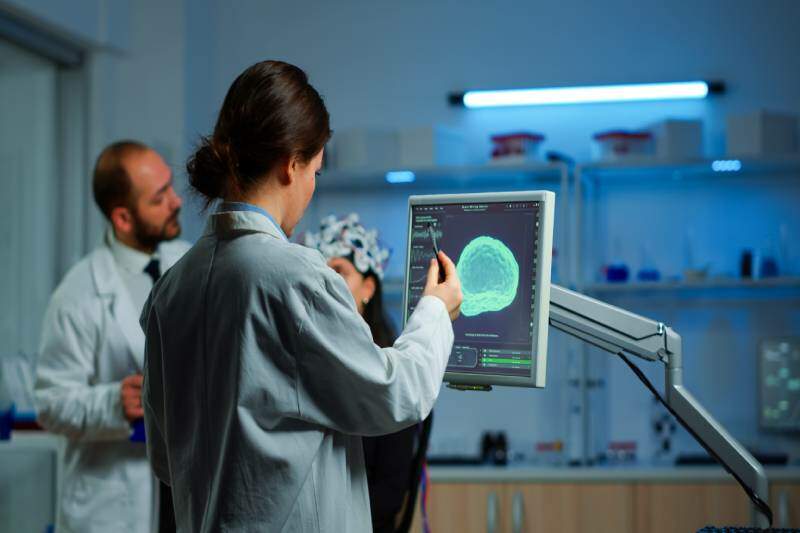
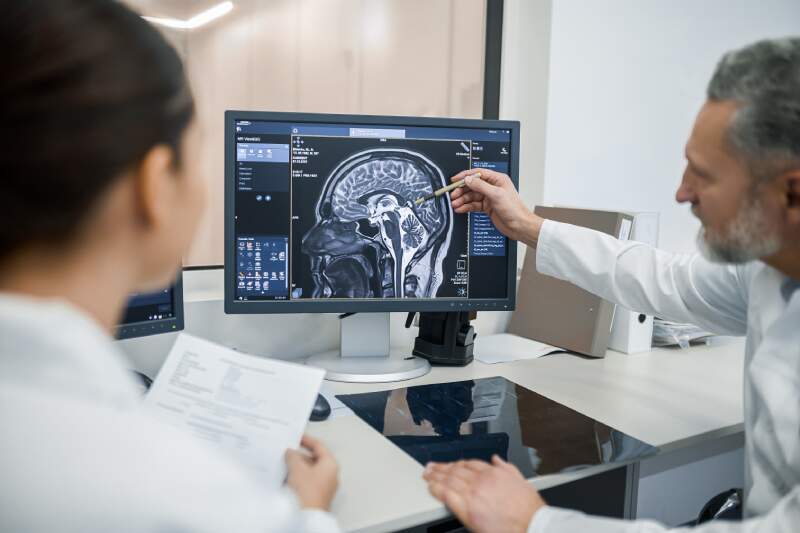
The diagnosis of epilepsy is based on an assessment of the patient's history and information about previously observed seizures, and is confirmed through tests such as electroencephalography (EEG). If there is suspicion that the cause of the condition is structural, the WHO recommends requesting brain and skull imaging tests, such as magnetic resonance imaging (MRI) and computed tomography (CT) scans, to complete the diagnosis.
It is also recommended that, after diagnosis, treatment with antiepileptic drugs and lifestyle changes should begin as early as possible. Treatment should be conducted with continuous medical monitoring, adjusting doses according to each patient's response. In addition to medication, it is important to offer psychosocial support and education to both the patient and the family, aiming to promote adherence to treatment and help everyone adapt to cope with seizures.
Other approaches may also be recommended when medication is insufficient. Alternatives include: surgery, vagus nerve stimulation, or a ketogenic diet, always under the guidance of qualified professionals.
Is there a cure for epilepsy?
Yes, epilepsy is curable.
Currently, up to 70% of people who follow the appropriate treatment with anticonvulsant medication become seizure-free. In these cases, if no further seizures occur within a minimum period of two years, medication use can be discontinued. Of course, clinical, social, and personal factors should also be considered before making this decision.
Therefore, regular medical follow-up is essential, ensuring that each stage of treatment is conducted safely and responsibly. In addition to controlling seizures, continuous care allows for the evaluation of the condition's progression and improves the quality of life for the person with epilepsy.