
In recent years, with the increasing influence of technology in daily activities, the way we take care of our health has also been impacted. Today, telemedicine is gaining more and more ground between patients and healthcare professionals, providing greater convenience, practicality, and, above all, accessibility.
Among the main areas of healthcare impacted by this change is Psychiatry, which has adapted to this model, identifying telemedicine as an opportunity to promote mental health and reach even more people.
In this article, you will understand how Psychiatry works in telemedicine, its advantages, challenges, and how this type of care helps promote mental health.
What is telemedicine?
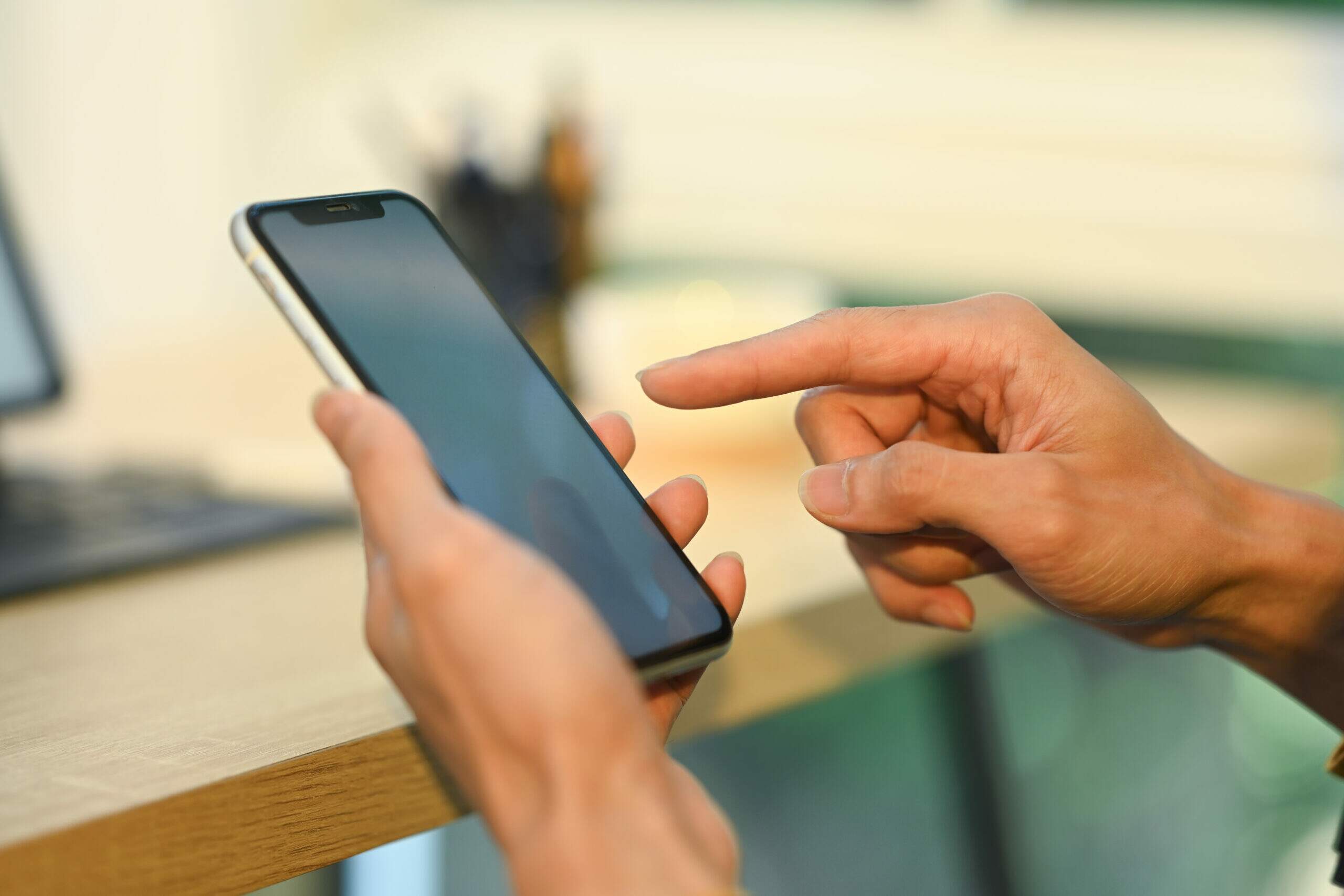
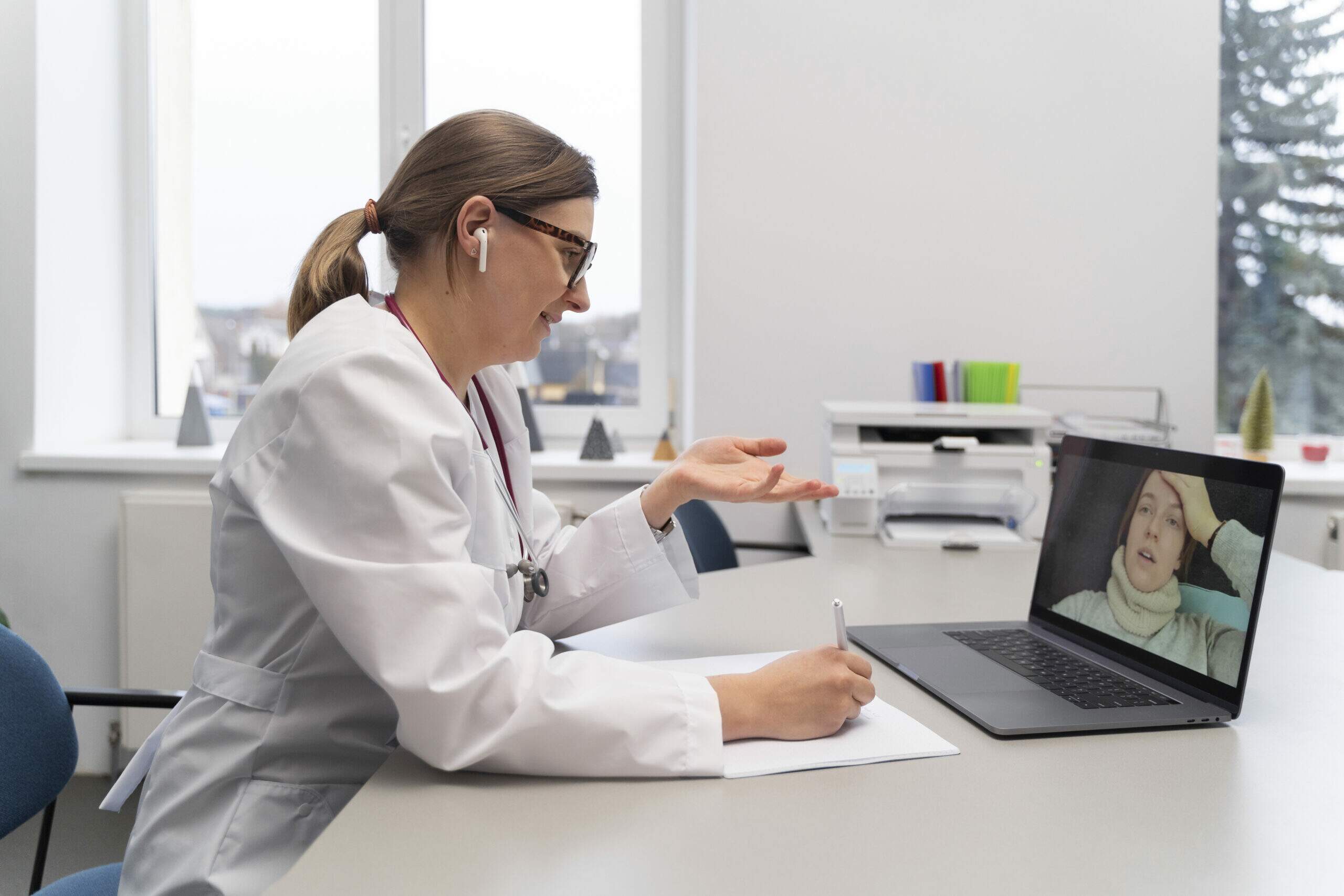
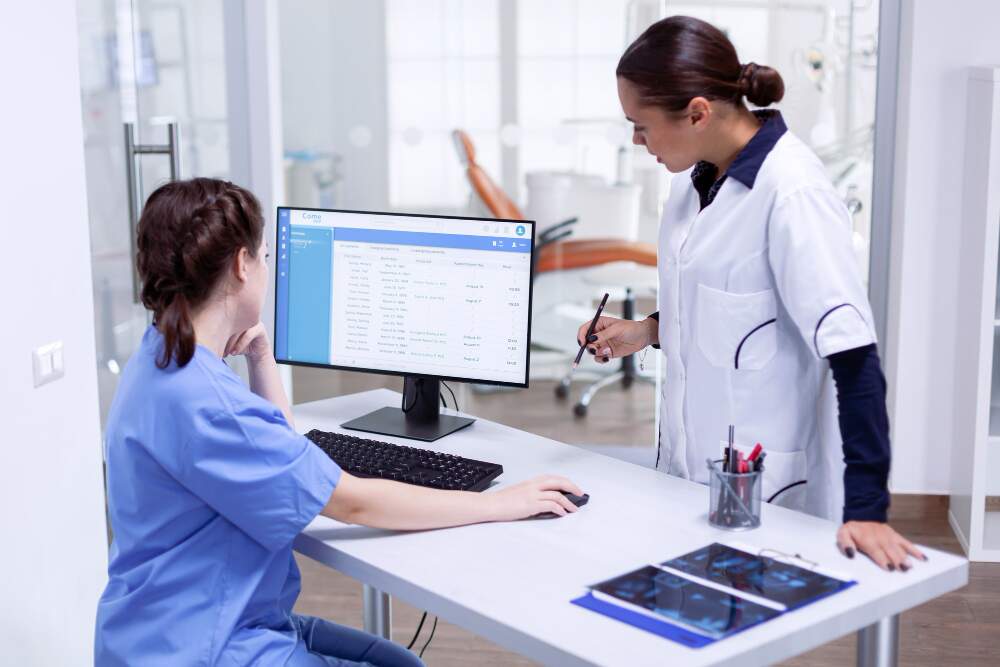
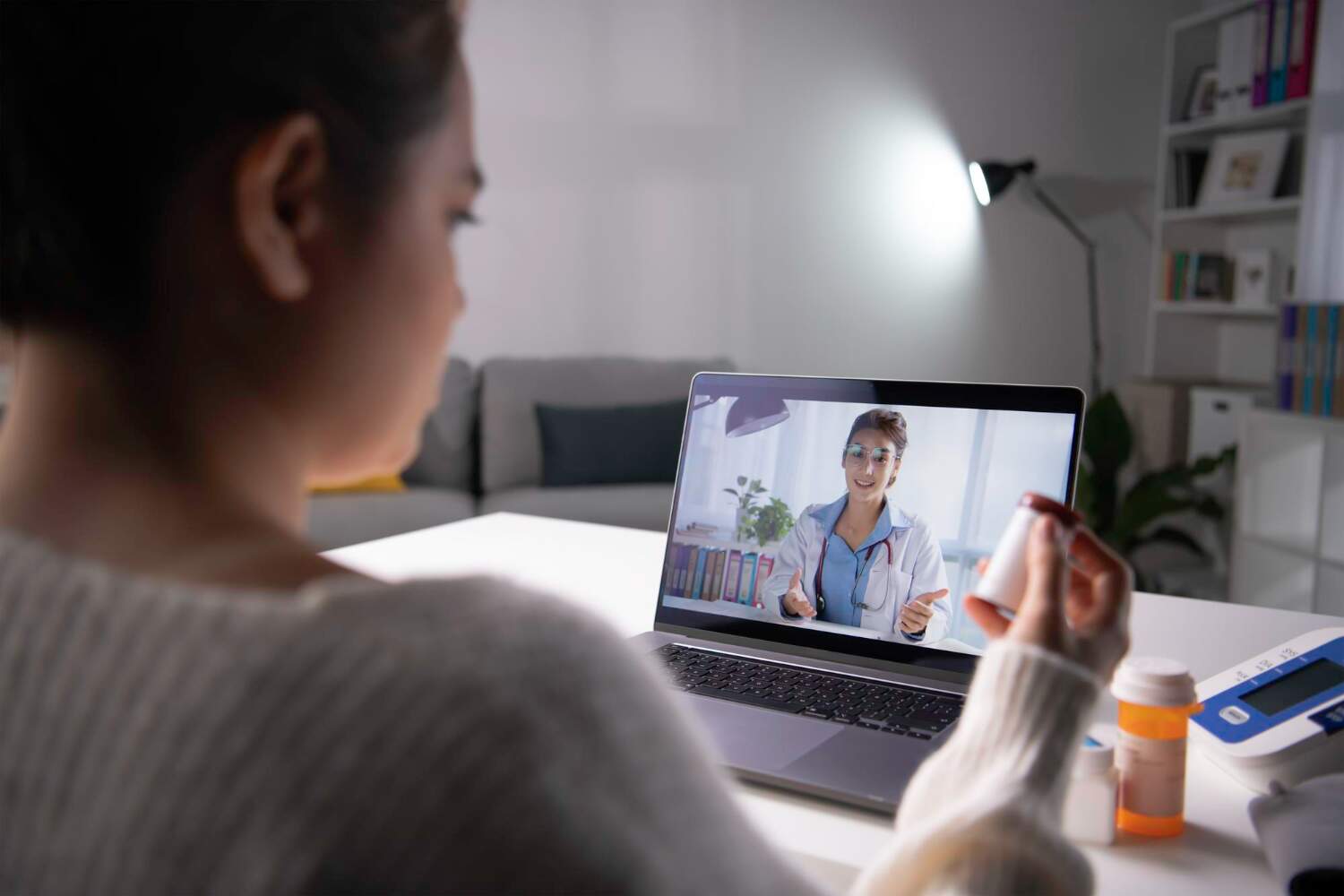
Telemedicine can be defined as a form of remote medical care, synchronous or asynchronous, through video calls or SMS/WhatsApp. In practice, it allows doctors and patients to connect through digital platforms or applications, without needing to be in the same physical space .
In Brazil, telemedicine was officially consolidated during the pandemic, when it became an essential solution to ensure the continuity of healthcare. Since then, it has been officially regulated, following CFM Resolution No. 2,314/2022, ceasing to be an emergency medical care solution and becoming established as an opportunity to expand access to healthcare.
Psychiatry and remote care
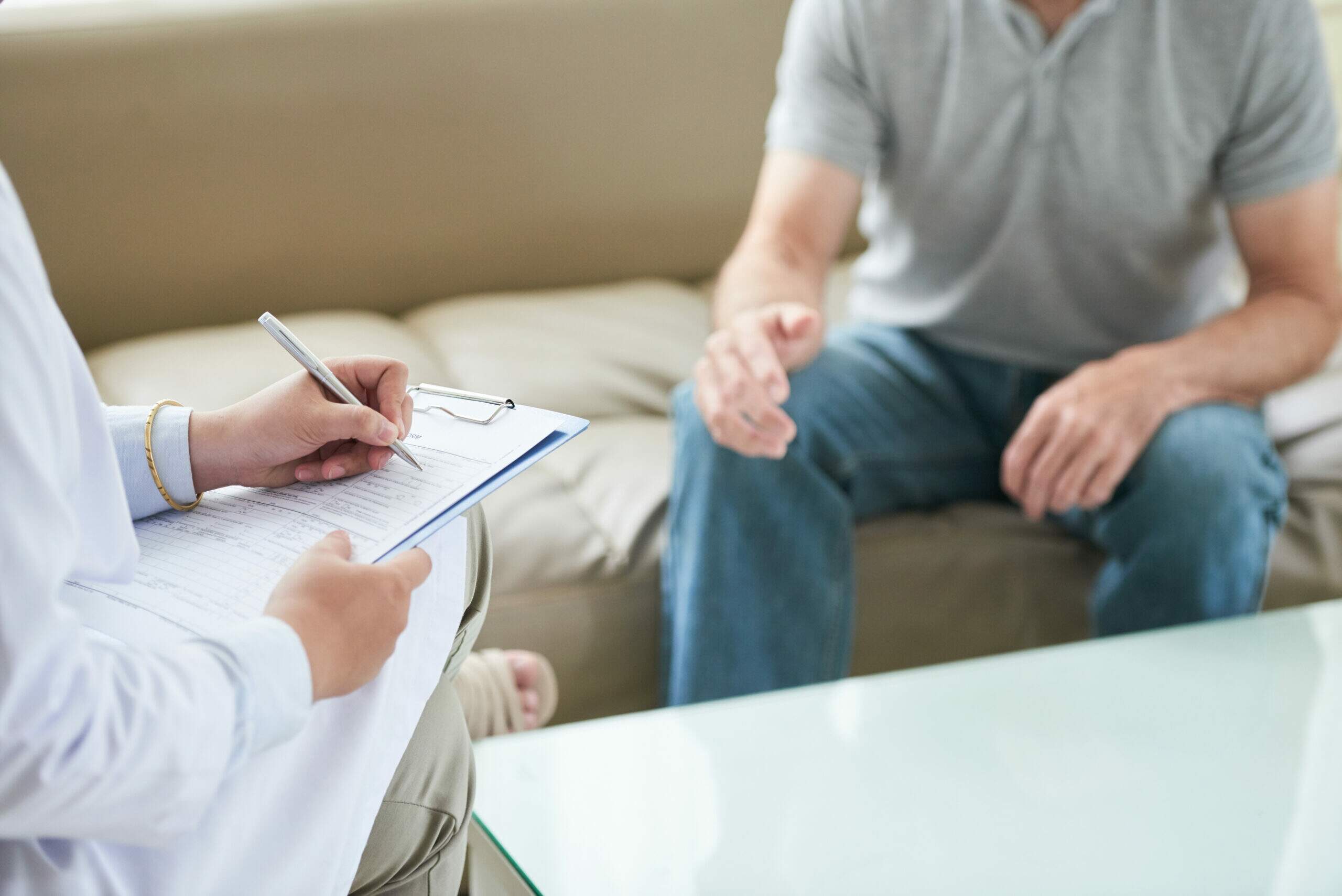
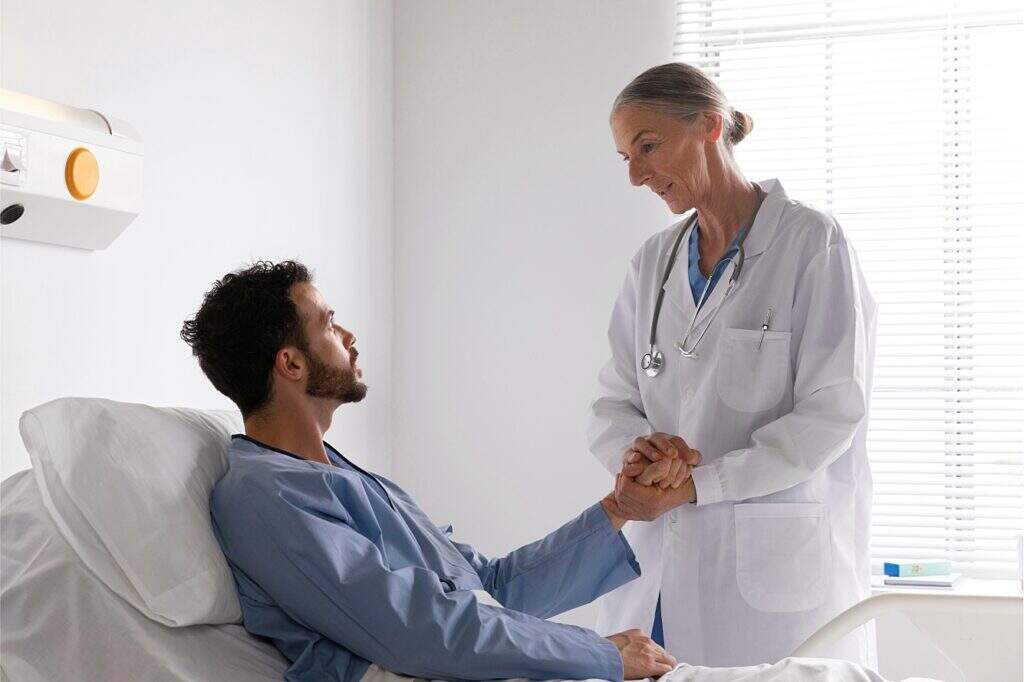
Psychiatry can be considered the area of medicine that has best adapted to remote care. Unlike other medical specialties, which often require more effective physical examinations during an in-person consultation, psychiatric care operates primarily through listening, dialogue, and clinical observation.
During online consultations, the quality of psychiatric care is not compromised in any way. Through video calls on online platforms and software, the psychiatrist can diagnose the patient, assess symptoms, and adjust medications without the therapeutic bond being lost or impaired.
Advantages of telepsychiatry
As previously mentioned, remote psychiatry does not in any way compromise the quality of care. In fact, the application of telepsychiatry offers a number of advantages for both the patient and the doctor. Among them:
Greater access to care: the use of telemedicine offers a solution to one of the main problems in medicine as a whole, the shortage of qualified professionals in more isolated regions. Telemedicine provides the opportunity to care for patients living in more isolated locations, where access to treatment and mental health care could be impaired or reduced.
Flexibility and convenience: virtual care reduces travel problems, optimizes time, and offers the possibility of reconciling consultations and psychiatric treatment with the patient's routine.
Treatment continuity: online consultations offer greater flexibility and availability of professionals, avoiding interruptions that can lead to treatment interruption and thus reduce its effectiveness.
Emergency care: In emergency situations, telepsychiatry provides fast and effective care, assisting with emergency needs.
Challenges of psychiatry in telemedicine
Even though telemedicine is very positive, it also brings certain challenges during psychiatric care that must be considered to ensure quality and efficiency. Among the main challenges are:
Data confidentiality and security: the digital environment, while offering many advantages, can also be a risk. It is important to look for qualified service platforms and software that do not pose a risk of leaking information shared between doctor and patient, preserving confidentiality above all else.
Conditions of access to technology: although telemedicine's main objective is to promote greater access to healthcare, it is necessary to consider that a social barrier still exists. Not every patient will have access to a stable network or the best equipment to conduct an online consultation, which restricts the possibilities for care.
Training: Although it doesn't directly harm the quality of clinical psychiatric care, the digital environment can be a problem if the doctor is not familiar with it. Therefore, it is important that doctors are prepared and trained to work with the technology.
Postgraduate Studies in Psychiatry
The integration of Psychiatry with technology is not a momentary phenomenon and still has much room for improvement. Therefore, it is essential that, when choosing this specialty, physicians seek education that gives due attention to the subject.
In the postgraduate Psychiatry program at São Leopoldo Mandic, students learn through practice, conducting consultations with real patients selected according to the course curriculum and their classroom learning. These consultations take place digitally, ensuring that the professional is qualified to work with technology as an ally in psychiatric care.
Click here to learn about the postgraduate medical course in Psychiatry at São Leopoldo Mandic and take the next step in your career.