
The thyroid is a gland located in the front of the neck, responsible for producing the hormones T3 and T4, triiodothyronine and thyroxine. These hormones act directly in controlling metabolism, heart rate, and body temperature. When an imbalance occurs, increasing the production of these hormones, a fairly common condition can arise: hyperthyroidism.
In this article, you will learn about hyperthyroidism, understand its symptoms, and discover how the diagnosis and treatment of the disease works.
What is hyperthyroidism?
Hyperthyroidism occurs when there is an increase in the production of the hormones triiodothyronine (T3) and thyroxine (T4). Several factors can cause this imbalance, such as high iodine consumption, the presence of nodules in the thyroid, or inflammatory processes such as thyroiditis. However, in many cases, hyperthyroidism can also be associated with Graves' disease, an autoimmune condition in which the immune system itself attacks the thyroid gland, leading to excessive hormone production.
This condition is more common in adult women, but this does not rule out the possibility that men and children may also be affected. In fact, Graves' disease is the most frequent cause of hyperthyroidism in men.
Subclinical hyperthyroidism
Subclinical hyperthyroidism is defined by an alteration in the hormone that regulates thyroid function, thyrotropin or Thyroid-Stimulating Hormone (TSH). In these cases, the patient may not present symptoms, and in laboratory tests, the production rates of T3 and T4 hormones may remain unchanged, since it is characterized by a slight increase in TSH, which may still be within normal levels.
In most cases, this is considered a mild condition. However, subclinical hyperthyroidism can cause significant changes in the cardiovascular system and bone tissue, especially in older people.
During diagnosis, it is important to conduct a more in-depth investigation to identify the cause of the hormonal imbalance. This is because the underlying cause determines the severity of the condition and the choice of the most appropriate treatment.
Thus, after identifying the cause, treatment can be carried out using medication. However, in some cases, no intervention is necessary, as it may be a temporary condition.
Symptoms
In general, the signs and symptoms of hyperthyroidism are the same, regardless of the cause. These include:
- Hyperactivation of metabolism;
- Weight loss;
- Tremors;
- Nervousness and irritation;
- Insomnia and fatigue;
- Weakness;
- Hyperactivity;
- Increased heart rate and tachycardia;
- Intolerance to heat and excessive sweating;
- Occasionally, diarrhea.
In addition to the most common symptoms, different manifestations of the disease can occur depending on the gender and age of each patient. In women, for example, hyperthyroidism can cause menstrual cycle irregularities. While in the elderly, symptoms may present atypically, resembling depression or even dementia.
Diagnosis and treatment
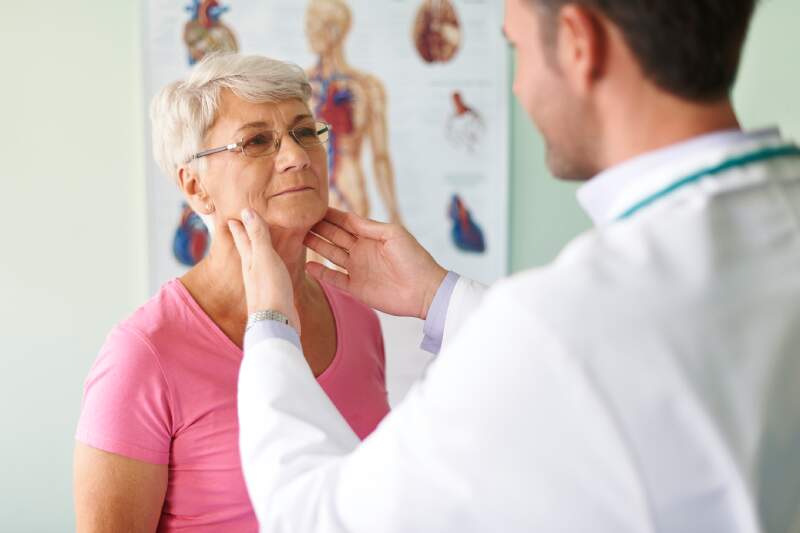
The diagnosis of hyperthyroidism occurs when the endocrinologist analyzes the symptoms, the physical examination, and the results of laboratory tests. These tests evaluate the levels of the hormones TSH, T3, and T4, considering their variations and possible alterations.
Elevated levels of these hormones, even mild ones, are associated with hyperthyroidism. However, for a more precise determination of the cause, the endocrinologist may request additional tests, such as radioiodine uptake and measurement of specific antibodies.
Treatment for hyperthyroidism may include medication, radioactive iodine, and in some cases, surgery, depending on the cause. In older adults, it is important to start treatment as early as possible after diagnosis due to the increased risk of arrhythmias, hypertension, and osteoporosis. When left untreated, especially in the elderly, the condition can lead to serious complications such as heart attack.
Postgraduate studies in endocrinology
Endocrinology is an increasingly valued medical specialty, and postgraduate studies are an excellent opportunity for those who wish to delve deeper into the field and work with greater confidence in the care, diagnosis, and treatment of their patients.
Therefore, at São Leopoldo Mandic, the postgraduate program in Endocrinology offers in-depth theoretical content and complete practical experience with real patients and cases. All this to guarantee high-quality, up-to-date education with the main techniques and technologies available on the market.
So, click here and learn about the postgraduate program in Endocrinology at São Leopoldo Mandic to take the next step in your medical career!