
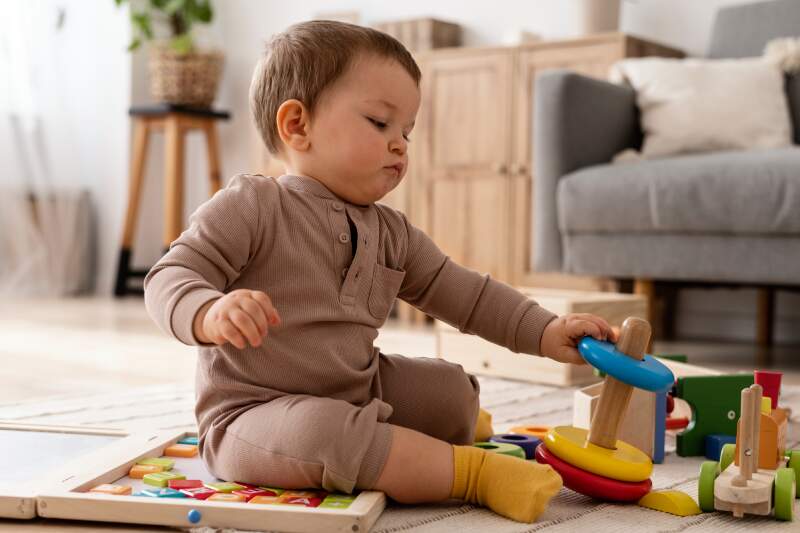
The first years of a child's life represent a crucial period for their physical, emotional, and cognitive development. It is during this phase, which we call "early childhood," that the brain undergoes major transformations, forming millions of neural connections per second.
In this article, you will understand what early childhood is and its importance for the development of essential skills for a quality life, as well as understand the medical role during this phase.
What is early childhood?
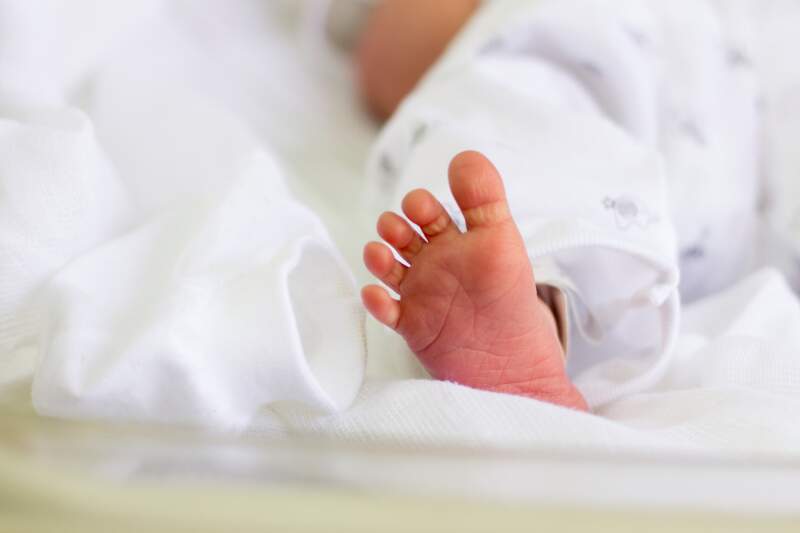
Early childhood encompasses the first six years of a child's life. It is during this period that brain development occurs, reaching peak learning and adaptation capacity, leading to the development of motor, cognitive, social, and emotional skills.
The stimuli offered at this stage are directly related to future school performance, emotional balance, and even the prevention of chronic diseases. Similarly, the absence of these stimuli or exposure to situations of stress, neglect, and extreme poverty can have lasting effects on child development.
Early childhood development
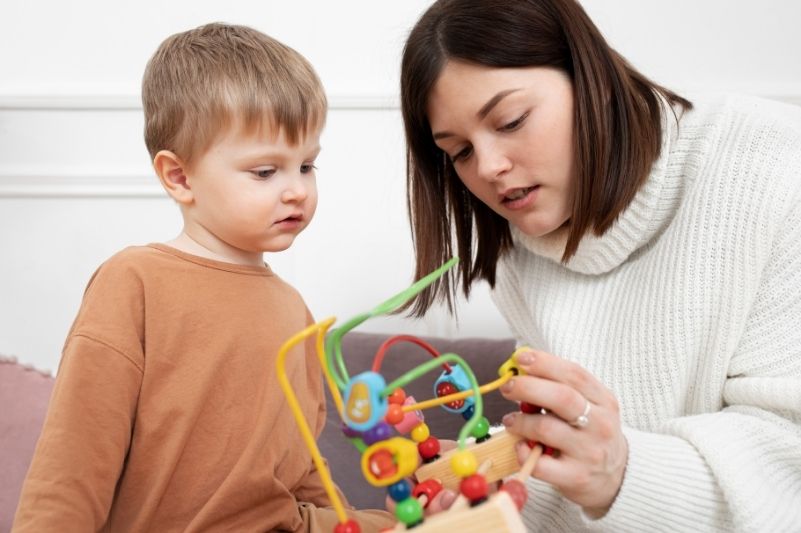
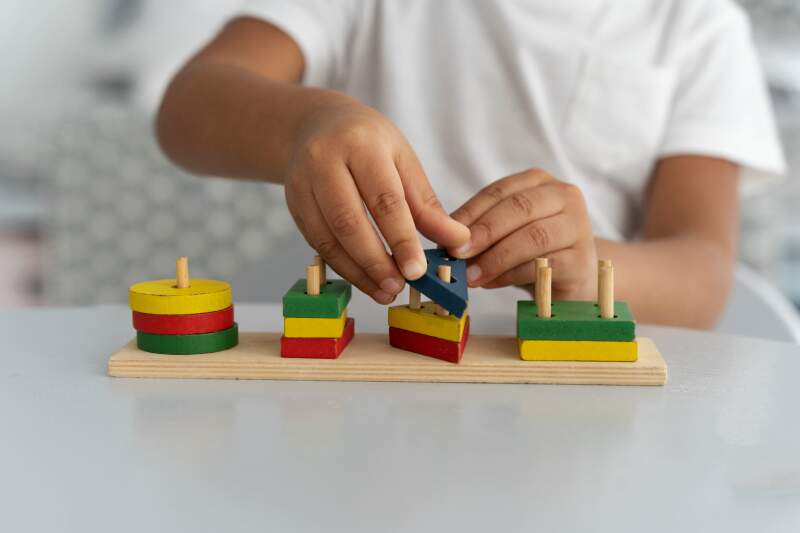
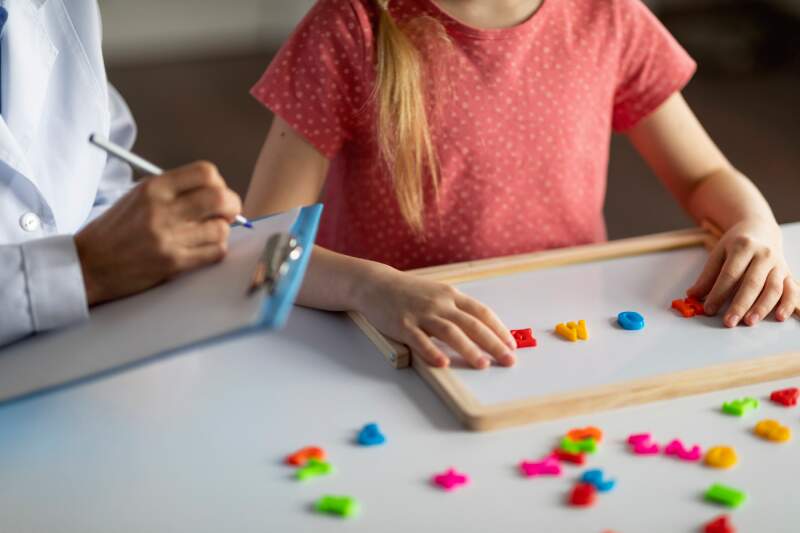
During early childhood, children have their first contact with their senses, and therefore it is during this period that they begin to interact with the world around them. At this stage, it is important for parents and caregivers to provide stimuli that put them in contact with these senses, promoting the development of motor, social, and cognitive skills.
The development of these skills is called Child Development Milestones; these milestones establish minimum and maximum periods for each skill to be achieved.
Observation of developmental milestones by parents and healthcare professionals is crucial. Early detection of delays or abnormalities allows for rapid and effective interventions.
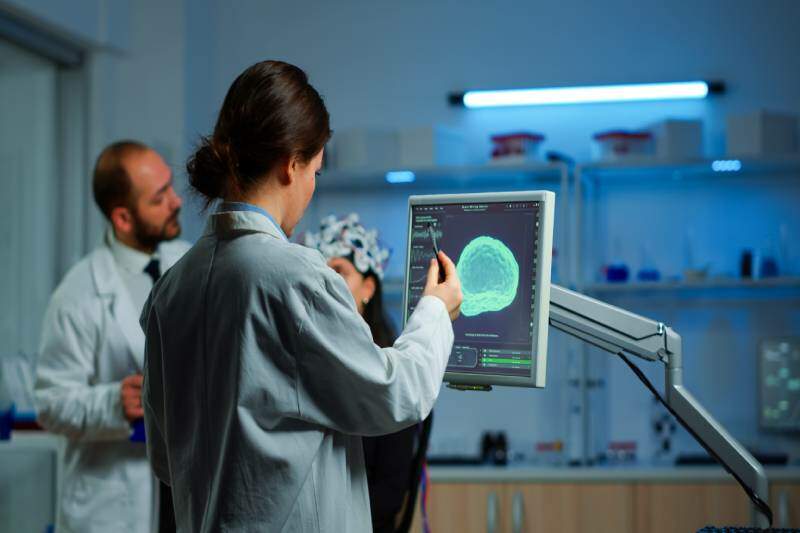
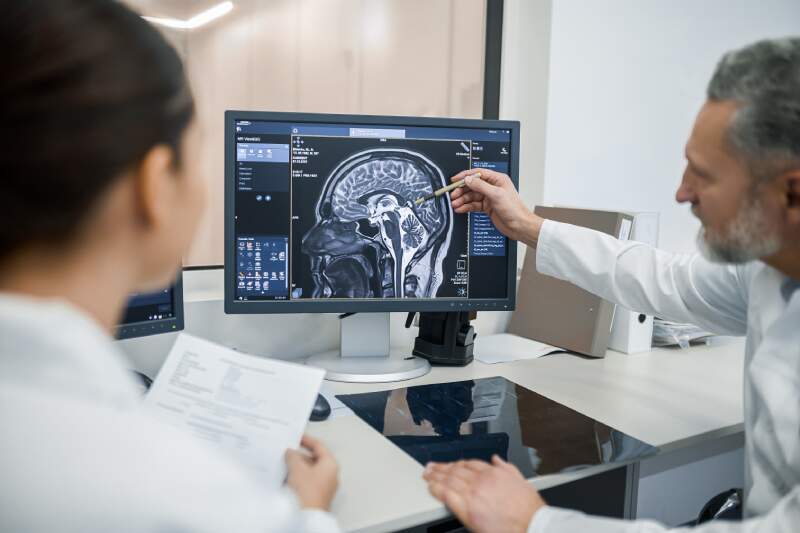
In this regard, it is important to remember that some delays may indicate developmental disorders or disabilities. These disorders require various types of intervention and treatment, and should be diagnosed by a pediatric neurologist.
Furthermore, it is important to mention that not all delays necessarily indicate a disorder. In some cases, delays may be related to a lack of stimulation for the development of certain skills.
Factors that influence development in early childhood
depends Healthy early childhood development on a combination of biological, emotional, social, and environmental factors. Each of these has a direct influence on how a child grows, learns, and builds skills for adulthood.
In other words, a balanced diet is essential for growth and strengthening the immune system. Cognitive and emotional stimulation, such as play and family interactions, promotes language development, curiosity, and emotional security.
On the other hand, situations of stress, neglect, or lack of bonding can harm a child's brain development and behavior. According to information released by the 2026 series " Advancing Early Childhood Development: From Science to Scale ," for example, chronic malnutrition and extreme poverty were shown to compromise the development of 250 million children under the age of 5.
The role of doctors in child development
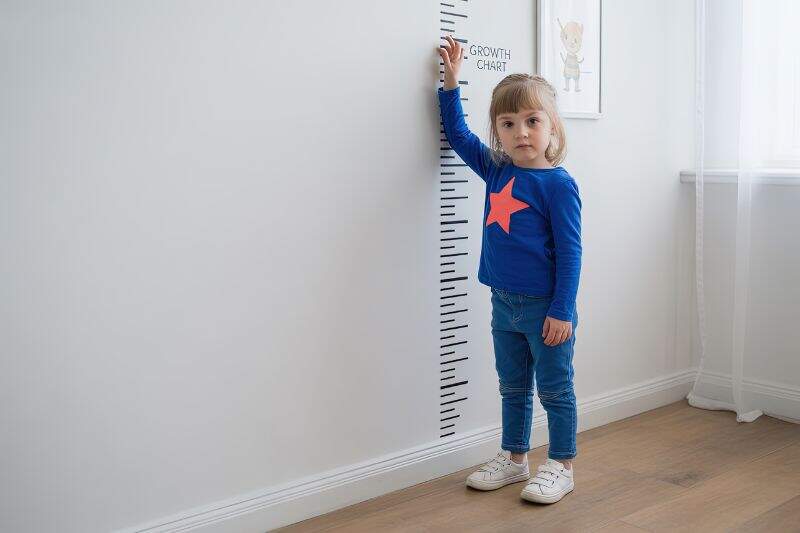
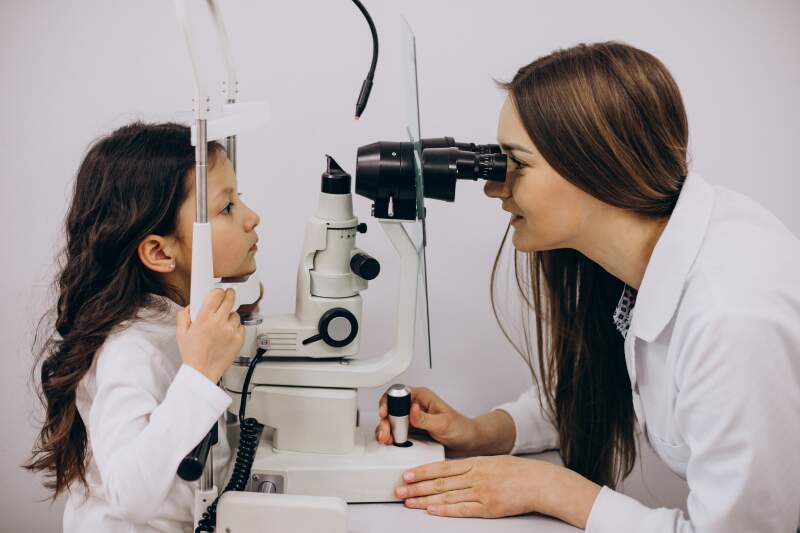
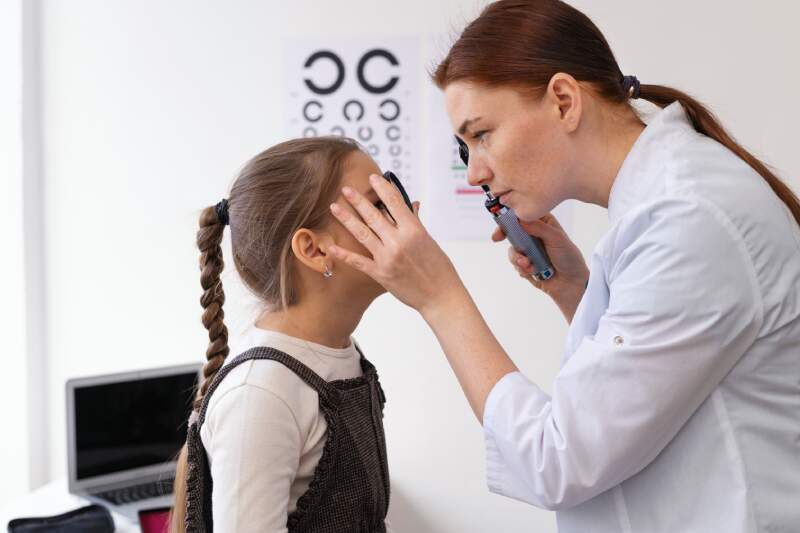
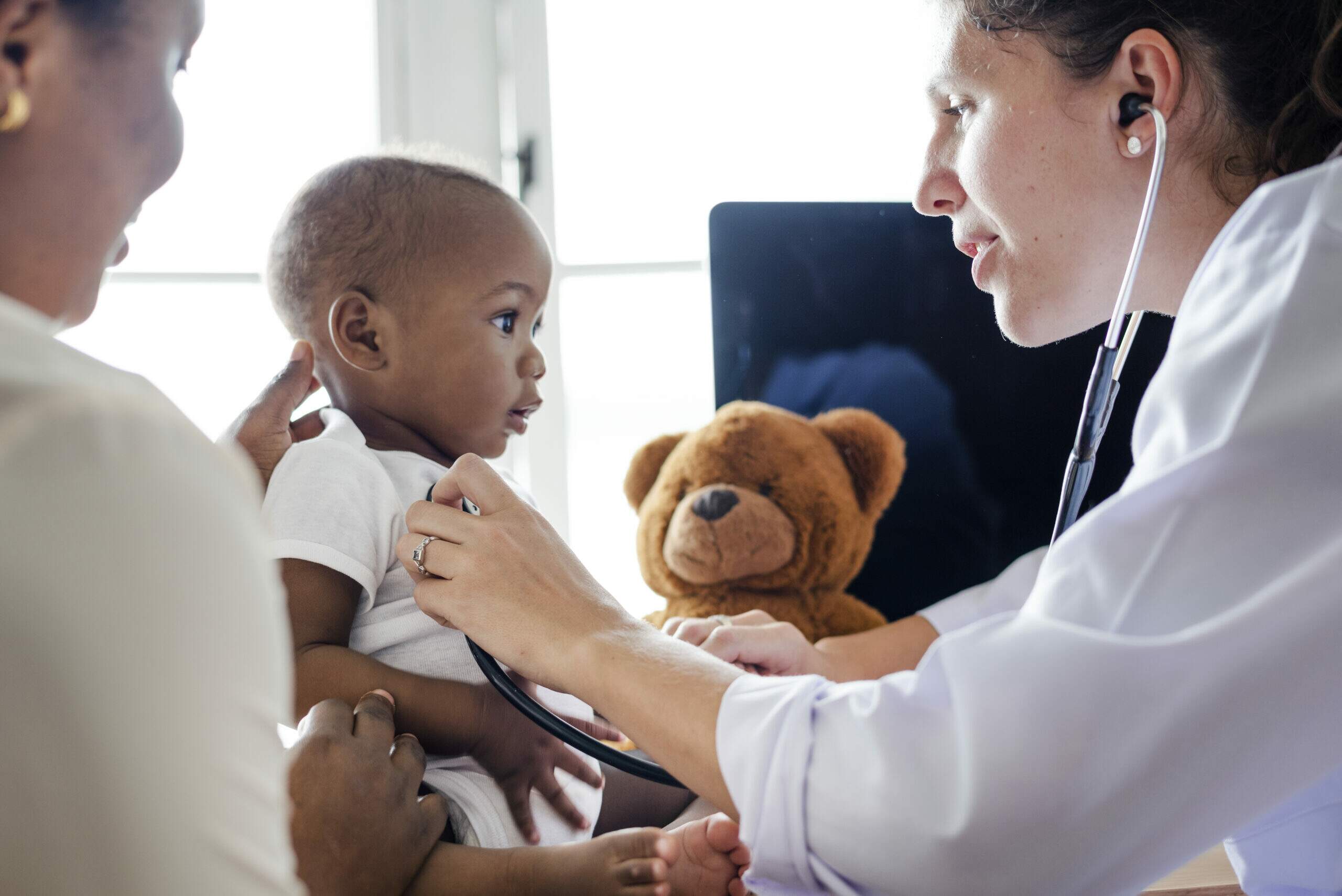
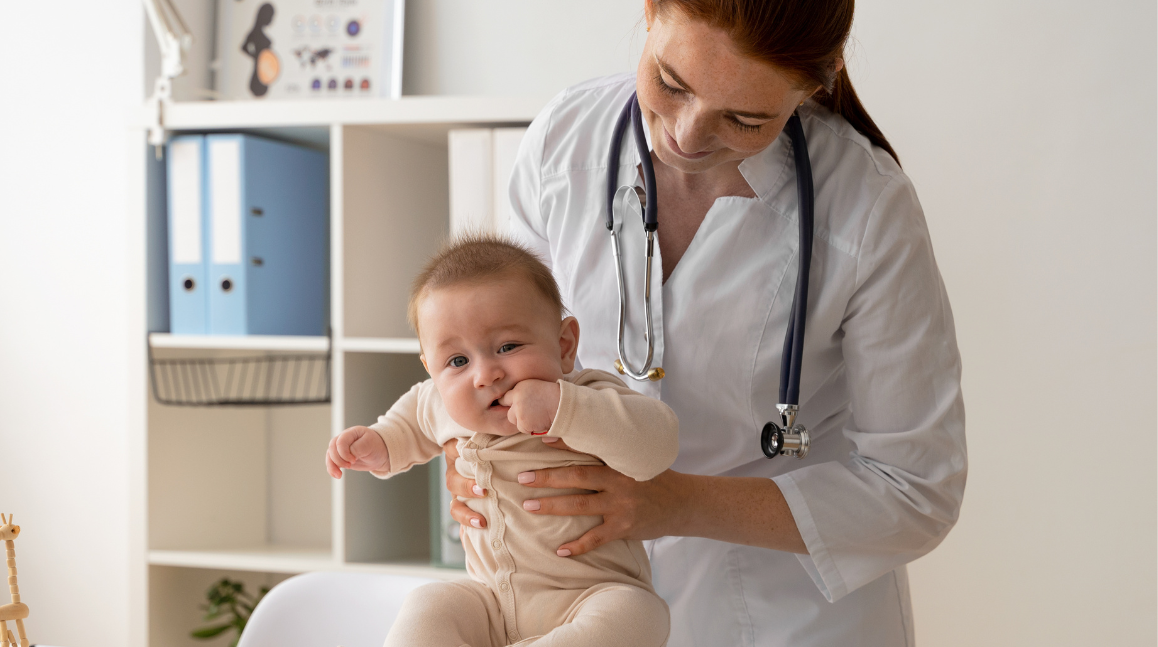
Regular pediatric checkups allow for monitoring of weight gain, height, developmental milestones, and child behavior. This ensures the early identification and treatment of any potential problems. Furthermore, a pediatrician is a reliable source of guidance on nutrition, vaccination, sleep, appropriate stimulation, and family interaction.
The Ministry of Health recommends that routine checkups be scheduled regularly, ensuring that the child is evaluated in the first week of life and then monthly until the age of 2. From that age onwards, checkups should occur annually, preferably close to the child's birthday.
Postgraduate studies in Pediatrics and Pediatric Neurology
The postgraduate program in Pediatrics and Neuropediatrics offers the opportunity to deepen knowledge in the field and enhance skills in caring for children and adolescents, with a focus on child development.
At São Leopoldo Mandic, the medical postgraduate courses offer in-depth theoretical content and the highest number of practical hours on the market. During classes, students provide care to real patients, previously selected according to the subjects covered in each module of the course.
Under the supervision of professors working in the field, students provide services applying best practices and the latest technologies in the area.
Click here to learn about the postgraduate program in Pediatrics and Pediatric Neurology at São Leopoldo Mandic.