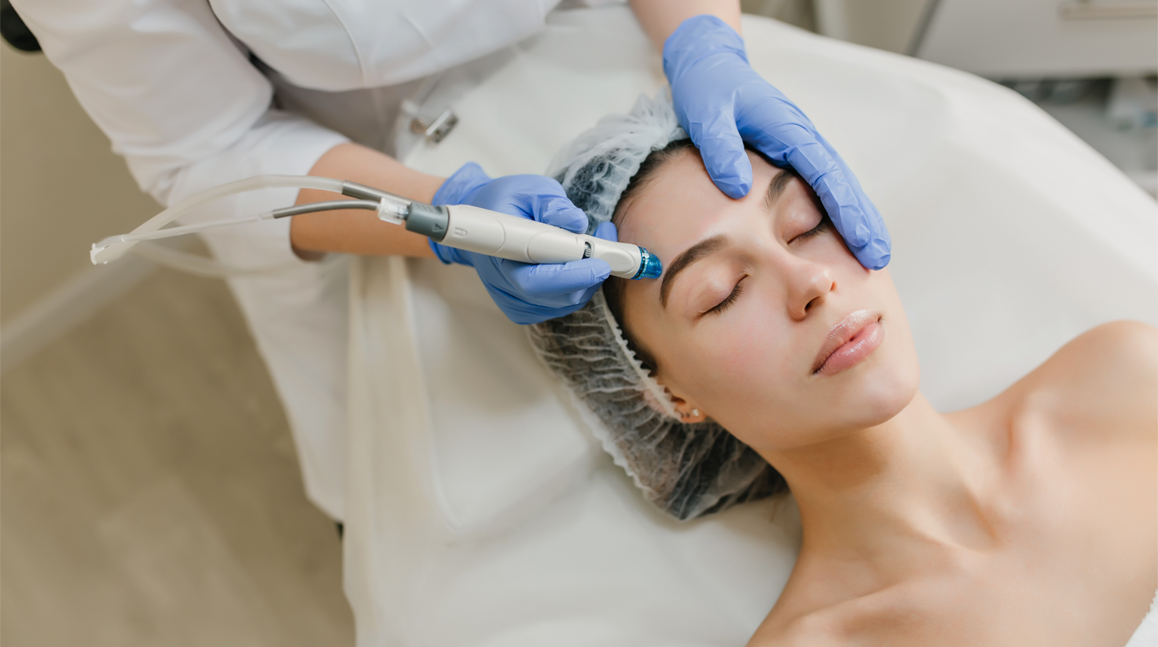

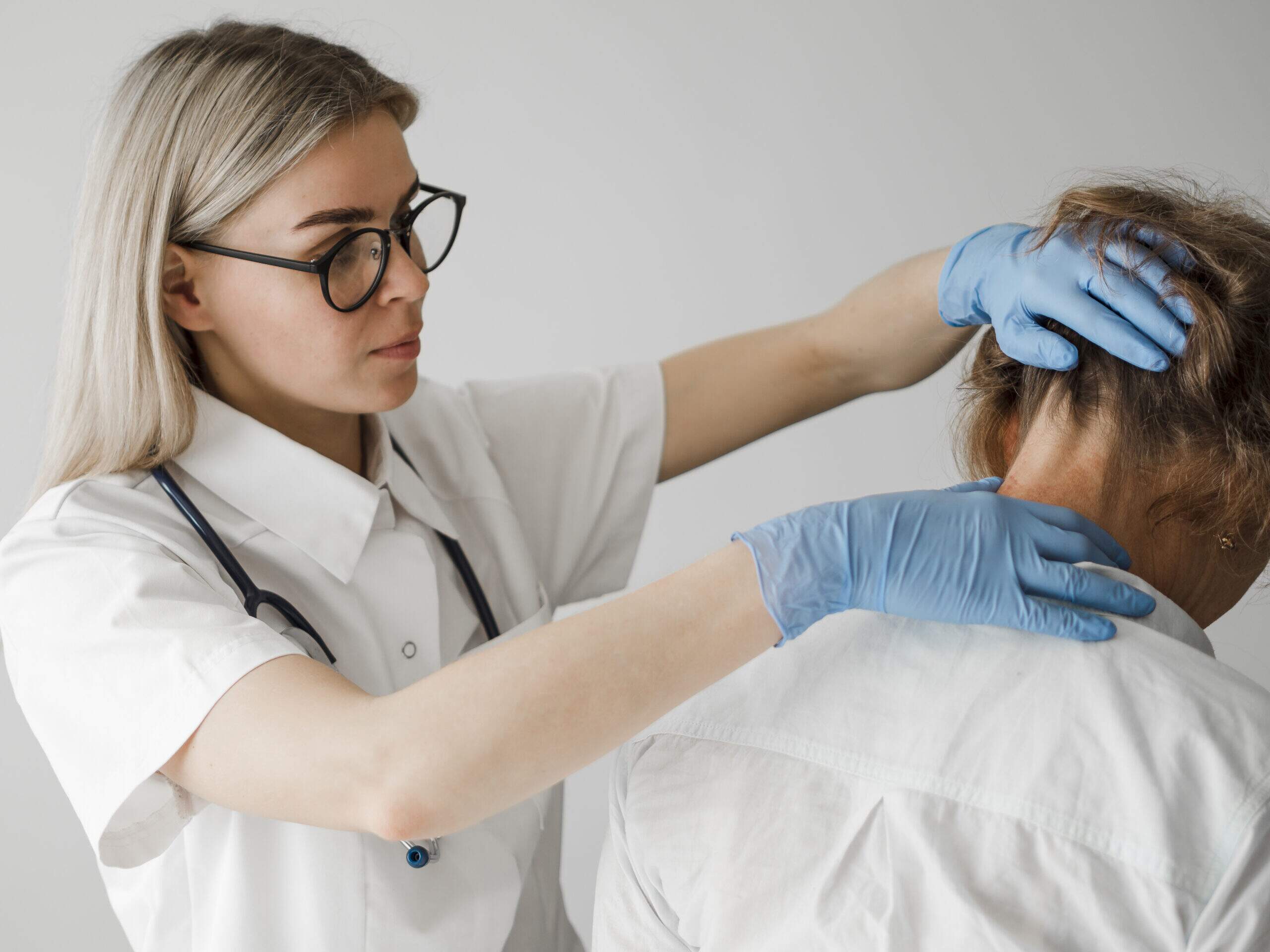
Trichology isa branch of medicine dedicated to the study and treatment of conditions affecting hair and its structure.
Increasingly valued, this subspecialty of Dermatology focuses on accurate diagnoses and personalized treatments for a wide range of hair conditions and diseases, contributing to both the health and self-esteem of patients.
In this article, you will learn more about this dermatological subspecialty and discover if it's the right path for your medical career.
What is Trichology?
Trichology is a subspecialty of Dermatology that studies hair and scalp, focusing on the prevention, diagnosis, and treatment of conditions and disorders that can affect the scalp.
This area of medicine combines knowledge in dermatology, biology, chemistry, and even basic concepts of psychology to identify issues related to hair health.
What does a trichologist do?
As mentioned before, a trichologist is responsible for diagnosing and treating diseases and conditions affecting the scalp. These can be chronic, stem from other health issues, or caused by patients' daily habits. Some of the conditions treated by a trichologist include:
Alopecia
Alopecia, or hair loss, is an issue that can have various causes, ranging from hormonal and emotional factors to stress, nutritional deficiencies, infections, and autoimmune diseases. This diversity of causes results in different manifestations of the disease and, consequently, in different treatments.
Androgenetic Alopecia
One of the most common causes of hair loss is genetic and hormonal. This condition affects both men and women, manifesting as a decrease in hair follicles and thinning of the hair strands, eventually leading to hair loss.
Treatment can vary depending on the extent of hair loss and, for aesthetic purposes, the patient's wishes. To slow down hair loss, medication and laser therapies may be used. In more advanced stages or for aesthetic purposes, surgical hair transplant procedures and the use of prostheses may be considered.
Alopecia Areata
This type of alopecia is a chronic autoimmune disease in which the immune system attacks the hair follicles, characterized by patches or circular areas of hair loss, which can progress to the loss of eyelashes, eyebrows, and body hair. Hair loss is not permanent and can be reversed, but, because it is a chronic condition, recurrent episodes can occur and, in some cases, progress to total hair loss.
With proper treatment and the use of corticosteroids, immunotherapy, and other medications, along with proper medical supervision, hair loss can be controlled.
Alopecia due to external factors
This is actually a combination of more than one type of alopecia, caused by various factors, including: hormonal and thyroid problems, menopause, friction or traction of the scalp, aggressive beauty treatments, allergies, infections, among others.
In most cases, treatment can be achieved through lifestyle changes and medication. However, in some cases, the damage to the hair follicles may be irreparable.
Scalp Dermatitis
Also known as seborrheic dermatitis, scalp dermatitis is a chronic inflammatory condition that causes redness, flaking, and itching of the scalp. This condition is related to the Malassezia in genetically susceptible individuals, and treatment to control the symptoms is carried out using antifungal and anti-inflammatory shampoos prescribed by a trichologist.
Scalp Psoriasis
Scalp psoriasis is a chronic autoimmune disease that affects the scalp and can lead to hair loss. However, this condition is characterized by inflammation, redness, and the accumulation of scaly plaques on the scalp, as well as itching, burning, and can affect other parts of the body such as the forehead and nape of the neck.
Treatment may depend on the extent of the problem. In milder cases, treatment uses shampoos, creams, and lotions recommended by dermatologists, while more severe cases may require the use of oral, immunobiological, or injectable medications.
Differences between Dermatology and Trichology
Dermatology is a medical specialty that focuses on skin health care, ranging from prevention to treatment of diseases such as dermatitis, allergies, and tumors. Within the field of dermatology, Trichology is also found as a subspecialty .
The main difference between the two is that a Dermatologist is a professional qualified to care for a wide variety of dermatological conditions, including conditions and disorders that can affect the hair and scalp. Meanwhile, Trichology focuses exclusively on the care of hair and its systems.
And while a dermatologist can treat these issues, a trichologist is a professional with a more in-depth theoretical and practical foundation, dedicated exclusively to the care of hair and scalp.
Postgraduate studies in Dermatology and Trichology
A postgraduate degree in Clinical Trichology is an opportunity to deepen your knowledge in the specialty, combining a solid foundation of theoretical content with comprehensive practical experience.
At São Leopoldo Mandic, the postgraduate program in Clinical Trichology boasts the highest practical training hours on the market, designed to ensure you boost your medical career. The faculty is comprised of renowned masters and doctors who provide dynamic teaching that blends in-depth theoretical content with practical classes involving real patients.
Mandic offers postgraduate courses in Clinical Trichology , as well as courses focused on Dermatology and Surgical Dermatology.
Click here to see all available postgraduate options.