

In recent years, childhood obesity has become a growing concern in Brazil and worldwide. According to recent data from the Ministry of Health, the number of children treated for obesity by the Unified Health System (SUS) has shown a significant increase, almost tripling between 2014 and 2024.
This is a health condition associated with inadequate eating habits, sedentary lifestyle, and emotional factors. Furthermore, when left untreated, childhood obesity can trigger chronic diseases such as type 2 diabetes, hypertension, and cardiovascular disorders in youth.
In this article, you will discover what characterizes childhood obesity, why it happens, what its impacts are, and how healthcare professionals can contribute to preventing and treating this condition.
What is childhood obesity and how is it diagnosed?
Childhood obesity is a condition characterized by the excessive accumulation of body fat that can compromise a child's physical and emotional health. Until a few years ago, the diagnosis was based on the relationship between weight and height, calculated using the Body Mass Index (BMI).
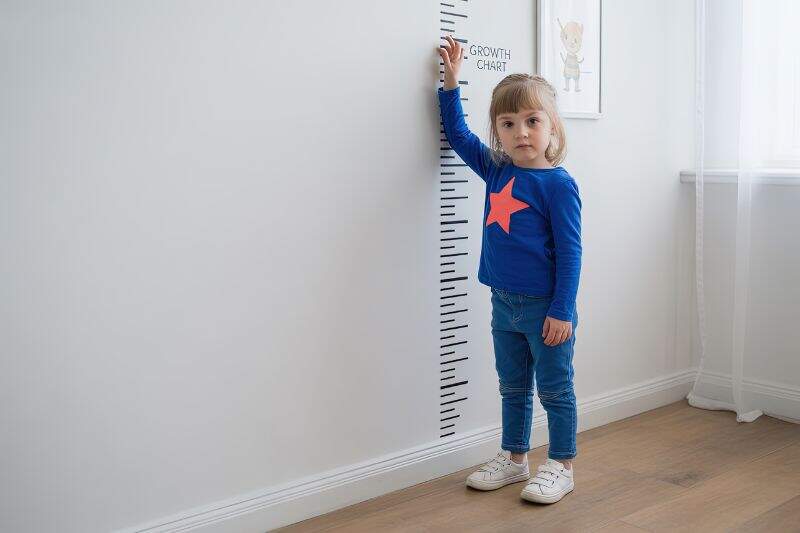
When it came to children and adolescents, BMI was interpreted according to growth charts and percentiles specific to age and sex. Therefore, assessments used this information to identify cases of overweight or obesity, considering the expected development for each age group.
For example, a percentile above 97 characterized a case of overweight. Similarly, when the child presented a percentile below 3, it was considered a case of underweight and even nutritional risk.
However, in recent years, researchers and healthcare professionals have begun to question the usefulness and accuracy of the method in diagnosing obesity, mainly because they consider it simplistic in the individual analysis of each patient. For this reason, more recent studies have begun to search for alternatives to BMI that could more accurately indicate the body fat percentage.
This change was necessary because BMI was unable to distinguish between fat and lean mass, for example. Another point observed was that BMI did not consider information such as sex, age, and ethnic traits of each patient.
The Relative Fat Mass (RFM) index, published in 2018 in the scientific journal Nature, was the method that presented the best results, overcoming what were previously identified as "skinny fat" and "fat" individuals, when BMI inaccurately indicated health or overweight.
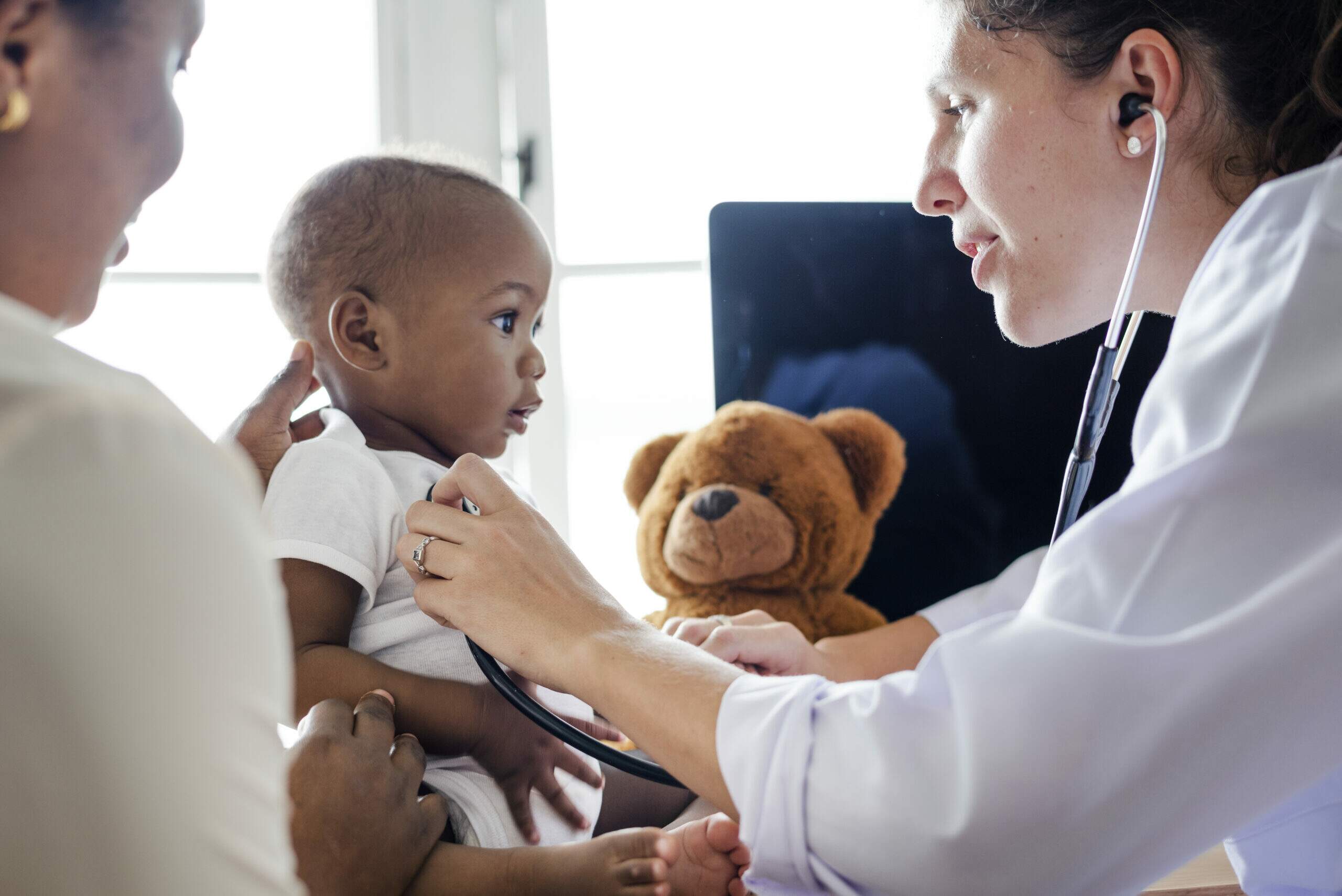
Regular monitoring of child growth with a pediatrician is essential, especially in primary care. Healthcare professionals should use the RFM (Rapid Frequency of Childhood Development) in conjunction with other assessments, such as family history, dietary habits, physical activity routine, and laboratory tests. This information helps determine the degree of risk and the need for intervention in each case.
Early diagnosis of childhood obesity is crucial to prevent the development of chronic diseases and promote effective multidisciplinary intervention, involving pediatricians, endocrinologists, nutritionists, psychologists, and other specialists when necessary.
Main causes of childhood obesity
The causes of childhood obesity can involve biological, behavioral, and social factors. In some cases, excessive weight gain begins during pregnancy, especially when there is maternal obesity or gestational diabetes, which can influence the metabolism and development of the baby.
According to the Ministry of Health, the sudden or premature interruption of breastfeeding and the inadequate introduction of food, with ultra-processed foods, can also contribute to childhood obesity. Furthermore, data reinforces that the increase in cases of childhood obesity may be associated with changes in family lifestyles, also considering an increasingly sedentary routine.
Understanding these causes is essential for healthcare professionals to act comprehensively in prevention and treatment. Therefore, it's important to consider not only dietary habits, but also the entire family and social context that influences a child's eating behavior.
Consequences of childhood obesity for health
The consequences of childhood obesity go far beyond excess weight. When not identified and treated early, this condition can cause significant metabolic changes and increase the risk of developing chronic diseases in childhood or adolescence. Among the main ones, we can mention:
Type 2 diabetes
Type 2 diabetes occurs when the body does not properly use the insulin it produces, leading to a buildup of glucose in the blood. In Brazil, this is the most common type of diabetes, affecting about 90% of people living with the disease.
High blood pressure
Excess body fat, especially visceral fat, is a major risk factor for the development of hypertension, as it interferes with blood pressure regulation through multiple physiological mechanisms.
High cholesterol
High cholesterol is a condition characterized by increased levels of cholesterol in the blood. When left uncontrolled, it can lead to the accumulation of fat in the arteries and increase the risk of cardiovascular diseases such as heart attack and stroke.
Treatment and prevention
Obesity treatment involves an interdisciplinary approach, requiring changes in eating habits, regular physical activity, and ongoing medical monitoring. Therefore, one of the main focuses of treatment is nutritional re-education, prioritizing natural foods and reducing the consumption of ultra-processed foods. In addition, physical exercise contributes to improved metabolism, body composition, and cardiovascular health.
The Ministry of Health reinforces the importance of a balanced diet and regular physical activity as fundamental pillars for preventing excess weight. In this context, the Dietary Guidelines for Brazilian Children Under 2 Years Old can assist families by offering practical tips on how to introduce and maintain a healthy diet in the first years of life. Of course, this does not replace the advice of a nutritionist or pediatrician.
In more severe cases, the doctor may recommend medication for weight management or, in specific and carefully evaluated situations, surgical procedures. However, the main focus should always be on adopting a healthy and sustainable lifestyle.
The information used to construct this article was obtained from the material "Child Health: monitoring child growth and development" and other materials from the Ministry of Health, updated to the date of publication and subject to change.