

According to information released by World Mental Health, from the World Health Organization (WHO), currently more than one billion people worldwide live with some type of mental disorder. Among the main mental disorders mentioned are depression and anxiety, considered the second leading cause of long-term disability.
In the report, the WHO warns that, although mental health policies and programs have advanced in several countries, more robust and continuous investments are still needed to expand, strengthen, and promote the mental health of the world's population.
Furthermore, as a result of the inadequacy and shortcomings of mental health care systems, only 9% of people diagnosed with depression receive minimally adequate treatment.
In this article, you will clearly understand what mental disorders are and learn about the current state of mental health in the world, based on the most recent data presented by the WHO.
What are mental disorders?
Mental disorders are conditions that affect, in some way, how a person thinks, feels, behaves, and interacts with the world. Some examples include: depression, bipolar disorder, schizophrenia, and other psychoses. In addition, dementia, intellectual disability, and developmental disorders are also included.
Mental disorders have varied and multifactorial causes. In most cases, the complex interaction between biological, psychological, social, and environmental factors leads to the development of mental disorders.
Diagnosis and treatment
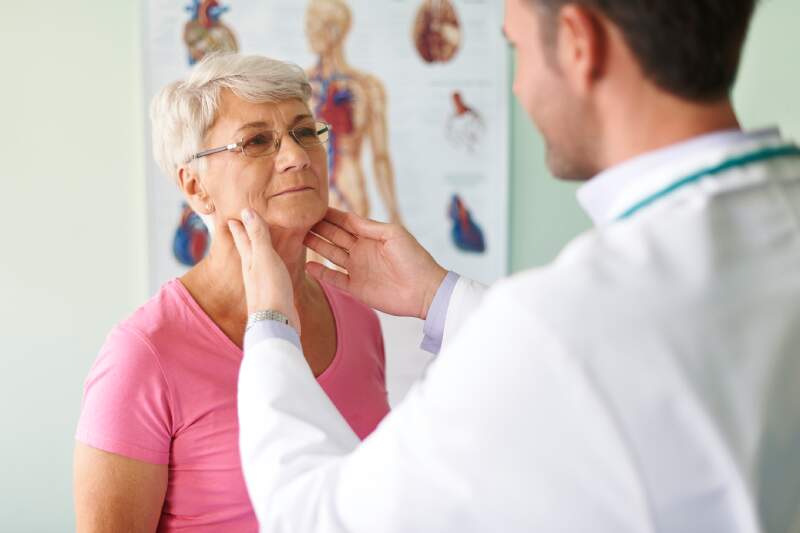
Mental health professionals diagnose mental disorders through a comprehensive clinical evaluation. This process primarily includes taking the patient's medical history and mental status examination, as well as analyzing medical and family histories, which can provide important clues about risk factors and clinical patterns.
Treatment varies according to the diagnosis and specific needs of each patient. In general, healthcare professionals address mental disorders through psychotherapy and, when necessary, medication. The process is ongoing and may require adjustments over time depending on the clinical response and the patient's progress.
Based on this explanation, the treatment of mental disorders may seem simple, but the reality is quite different. According to data released by the Pan American Health Organization and reinforced by World Mental Health Today, health systems are still far from adequately meeting the growing demand for mental health treatments.
The report reveals that currently only 9% of people diagnosed with depression receive minimally adequate care, highlighting a worrying and globally significant scenario. Even among the richest countries, the study indicates that only one-third of patients with depression receive formal care. This data refers to the treatment of depression.
Index of deaths caused by mental disorders
According to the report, gathering information on deaths caused by mental health issues and suicide is a complex process. This is because official records rarely explicitly state these causes. Even so, the report managed to gather information showing that, in 2021 alone, suicide claimed the lives of 727,000 people worldwide.
The data presented in the report indicate that suicide causes 1 in every 100 deaths worldwide. The concern, however, goes beyond the number of deaths. The study reveals that for every suicide death, there are more than 20 attempts, demonstrating the scale and seriousness of the problem.
Tedros Ghebreyesus, Director-General of the WHO, states that the report is, in fact, an urgent call for the transformation of mental health care. He also reinforces that the document serves as a reminder of the Mental Health Action Plan. This plan is part of the 2030 Agenda for Sustainable Development, signed by more than 190 countries, including Brazil.
According to the WHO, although some progress has been made in recent years, it has not been sufficient, nor rapid and effective. Mental health remains one of the most neglected areas of global public health. The study also states that, at the current rate, global suicide rates will only decrease by 12% by 2030. This result is far from the goal of the 2030 Agenda, which foresees a one-third reduction.
Brazil
The World Mental Health report highlights the Psychosocial Care Centers (CAPS) implemented in Brazil as part of the actions to expand care and combat mental disorders. The purpose of these centers is to replace psychiatric hospitals and offer more humane treatment. According to the report, by 2020 Brazil had more than 2,500 CAPS distributed throughout the country, reinforcing the importance of the psychosocial care network in the national mental health strategy.
Even with these investments, Brazil still faces a serious mental health crisis. In 2024 alone, almost half a million absences due to mental health issues were registered by the Ministry of Social Security, the highest rate in the last 10 years. G1 reports that, within this number of absences, approximately 141,414 were due to anxiety and 113,604 due to depression, highlighting the growing impact of these conditions among workers.
Furthermore, health authorities currently recognize suicide as a public health problem in Brazil. According to the Brazilian Association of Emergency Medicine (Abramed), in 2023 the country recorded an average of 31 hospitalizations per day due to deliberately self-inflicted injuries. This number still does not consider underreported cases. Meanwhile, data indicates that, on average, 38 people take their own lives daily in the country.
Hot line
In an attempt to combat and prevent the increase in suicide cases, as well as to promote support for people with advanced mental health conditions in Brazil, the population can turn to support centers. One example is the Center for Life Appreciation (CVV).
CVV is made up exclusively of volunteers and aims to offer free emotional support and suicide prevention through phone or chat. People can make all calls free of charge at 188, available 24 hours a day. The service can also be accessed through the website www.cvv.org.br.
–
The information used to construct this article was obtained from World Mental Health, updated to the date of publication, and is subject to change.