

has Medical interdisciplinarity been gaining increasing prominence because it ensures a comprehensive view of the patient's health. When different specialties work together, diagnosis becomes more precise, treatment more effective, and the prevention of potential complications becomes much more assertive.
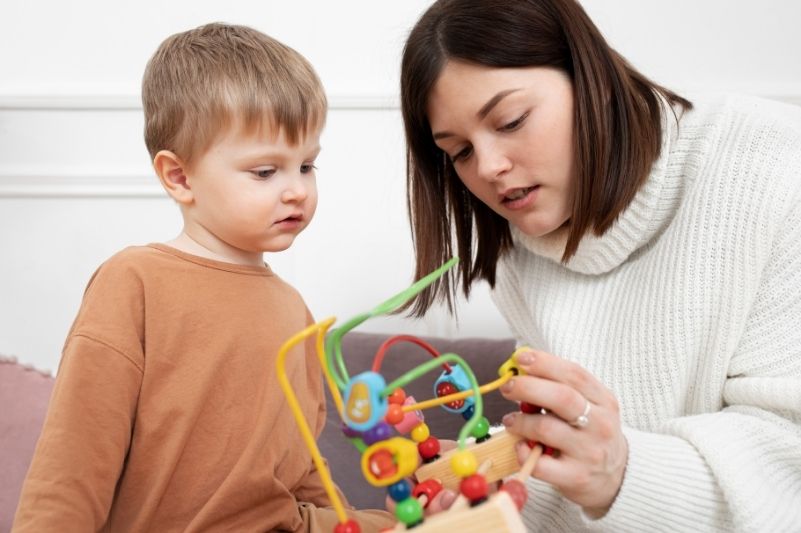
In childhood, this integrated approach is fundamental. The pediatrician closely monitors the child's growth and development, acting not only in the prevention and treatment of diseases, but also as a point of integration between various areas of health.
In this article, you will understand what medical interdisciplinarity means in Pediatrics and in what situations you can see this partnership happening in healthcare.
What is interdisciplinarity?
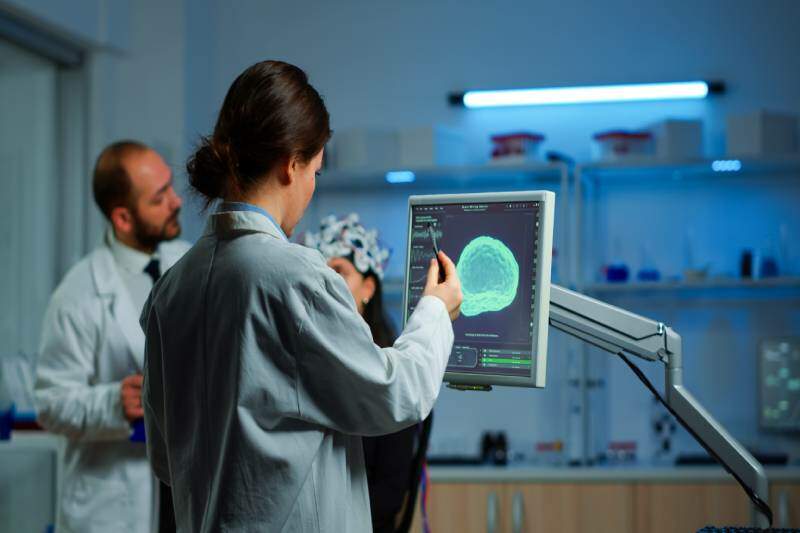
is Medical interdisciplinarity the integration of different areas of medicine to offer a comprehensive view of the patient. Instead of looking only at the isolated symptoms of a disease, doctors from different areas exchange information and jointly build strategies for diagnosis, treatment, and prevention.
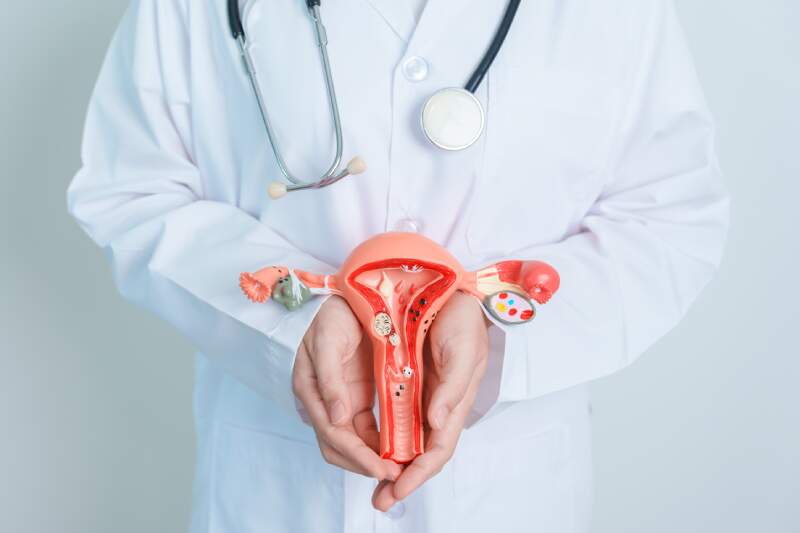
However, it's important to consider that, even though we're talking about medical interdisciplinarity, it doesn't need to be limited to collaboration only between doctors. It can also include professionals from other areas related to physical and mental health, such as nutritionists, physiotherapists, psychologists, among others, further enhancing the quality of care offered to the patient.
The role of Pediatrics
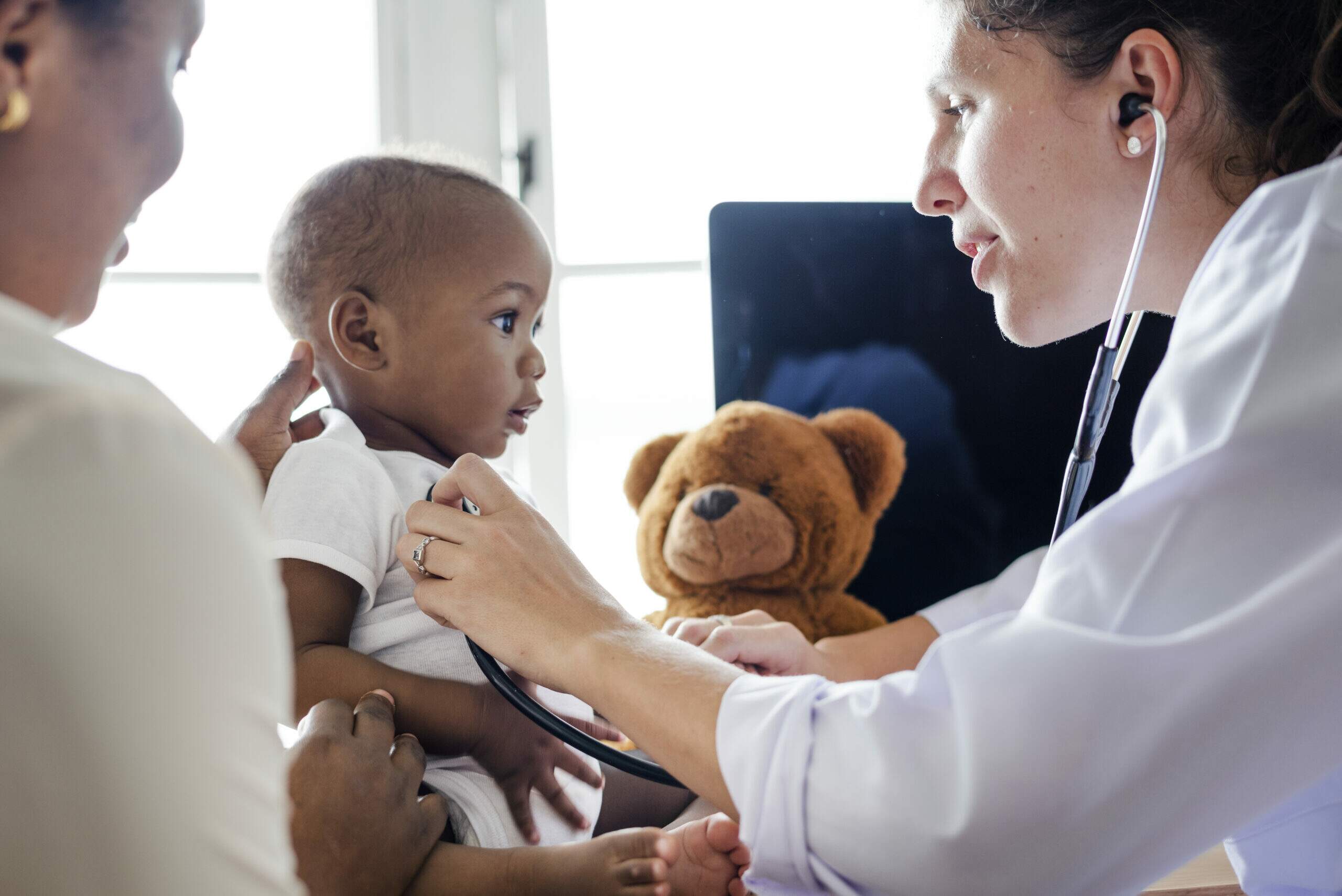
A pediatrician is the doctor responsible for monitoring the health and development of children and adolescents, from birth until the end of adolescence. Their role goes beyond treating illnesses, playing an essential part in prevention and monitoring children's growth and well-being.
To understand this objective, as is the case in many other medical specialties, Pediatrics also has a series of subspecialties, geared towards even more specific needs within Pediatrics.
Among some of these subspecialties, we can mention:
- Pediatric Cardiology: a subspecialty focused on the diagnosis, treatment, and prevention of cardiovascular diseases in children and adolescents, ensuring healthy heart development from the earliest years of life.
- Pediatric Allergy and Immunology: an area of Pediatrics focused on the study of the child's immune system, with an emphasis on the diagnosis and treatment of allergies, autoimmune diseases, and immunodeficiencies.
- Neuropediatrics: a medical subspecialty focused on the study and treatment of diseases of the nervous system in children and adolescents. Neuropediatrics involves monitoring cognitive, motor, and sensory development, fundamental processes that influence the child's entire future development.
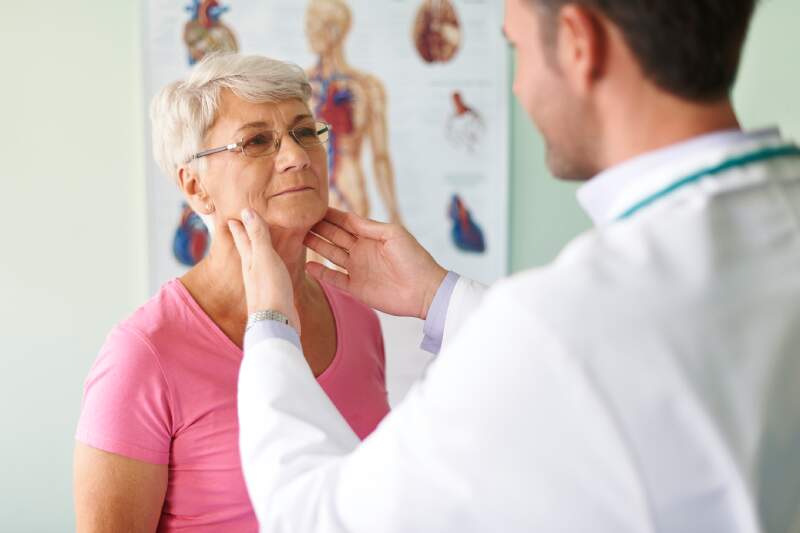
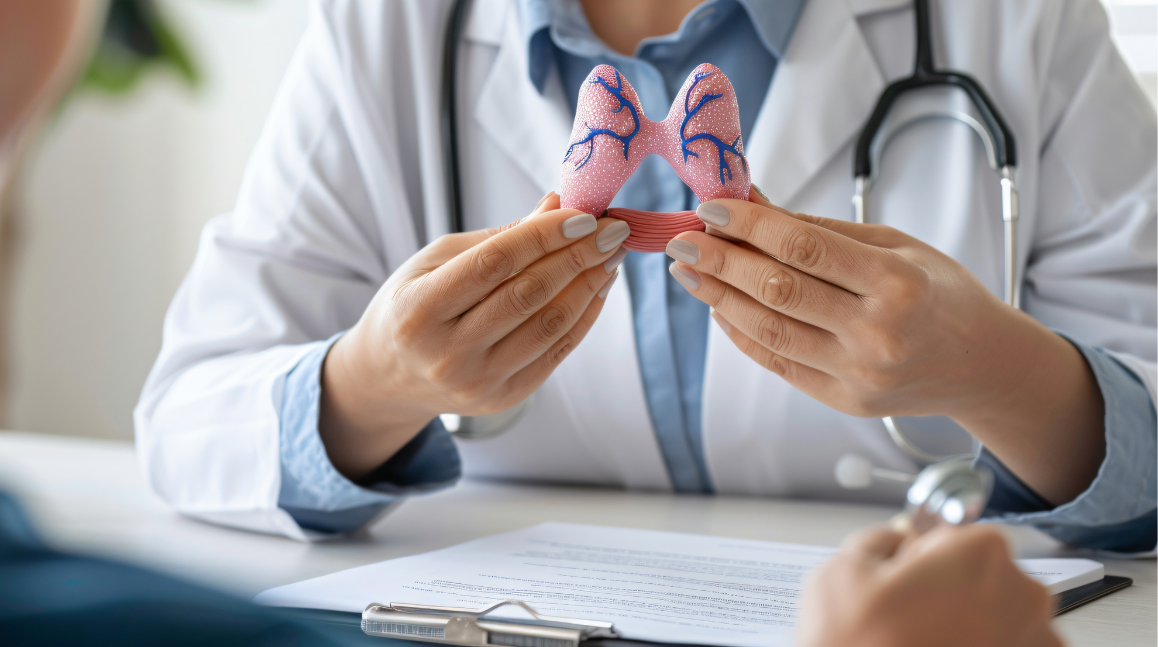
- Pediatric Endocrinology: a branch of Pediatrics that studies hormonal and metabolic disorders in childhood and adolescence, through the evaluation of issues related to growth, puberty, metabolism, thyroid, and other endocrine glands.
Pediatrics and interdisciplinarity
Caring for the health of children and adolescents goes far beyond treating isolated illnesses. Often, signs and symptoms in a child can reflect conditions involving multiple body systems. Therefore, Pediatrics stands out for its interdisciplinary approach to medicine, integrating different specialties to offer comprehensive and effective care.
Pediatrics and Dermatology
The partnership between pediatricians and dermatologists focuses primarily on the treatment and prevention of specific skin diseases in babies, children, and adolescents. The collaboration between these specialties is essential, especially for the treatment of diseases and conditions such as epidermolysis bullosa, seborrheic dermatitis, allergies, and others.
Pediatrics and Ophthalmology
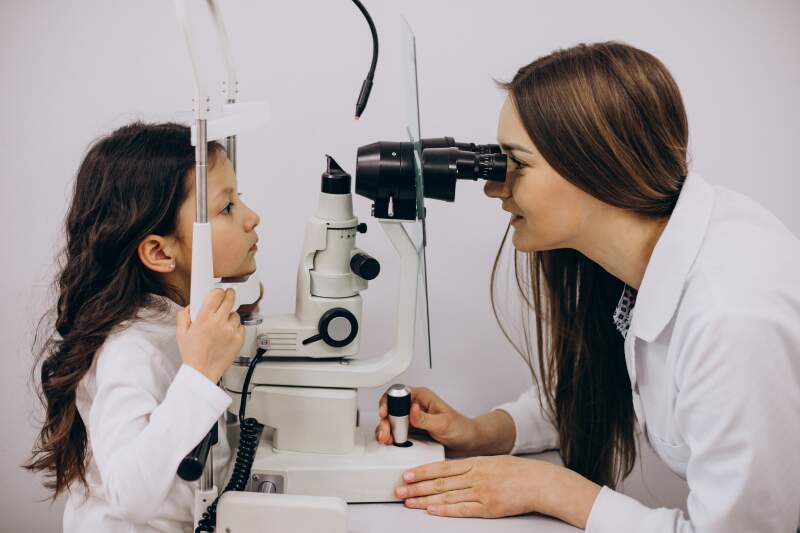
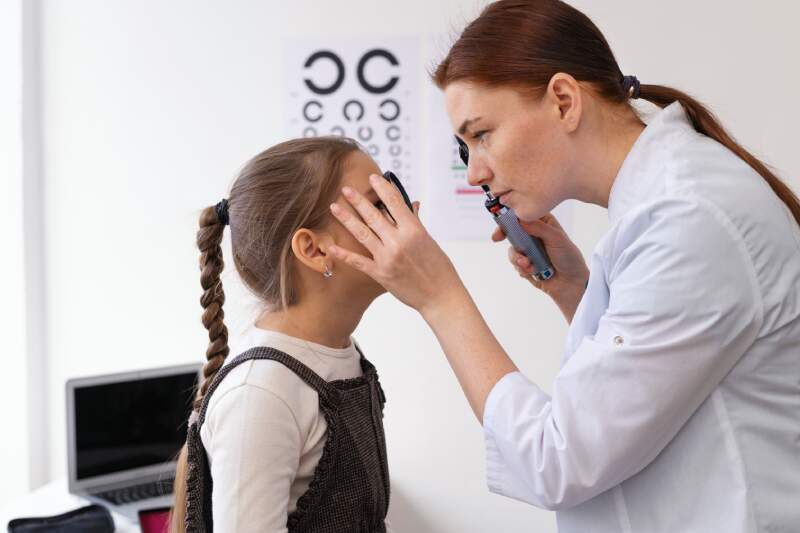
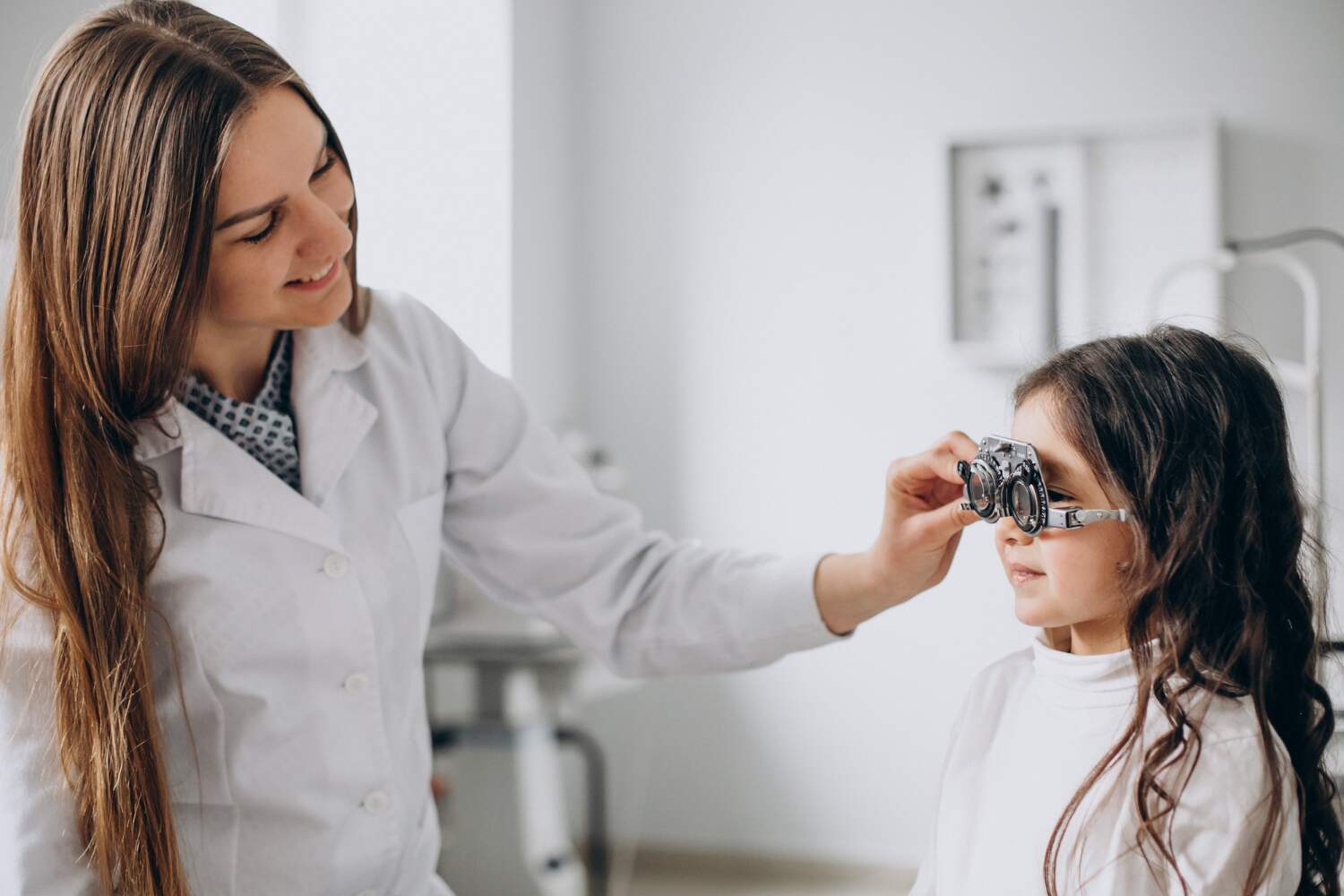
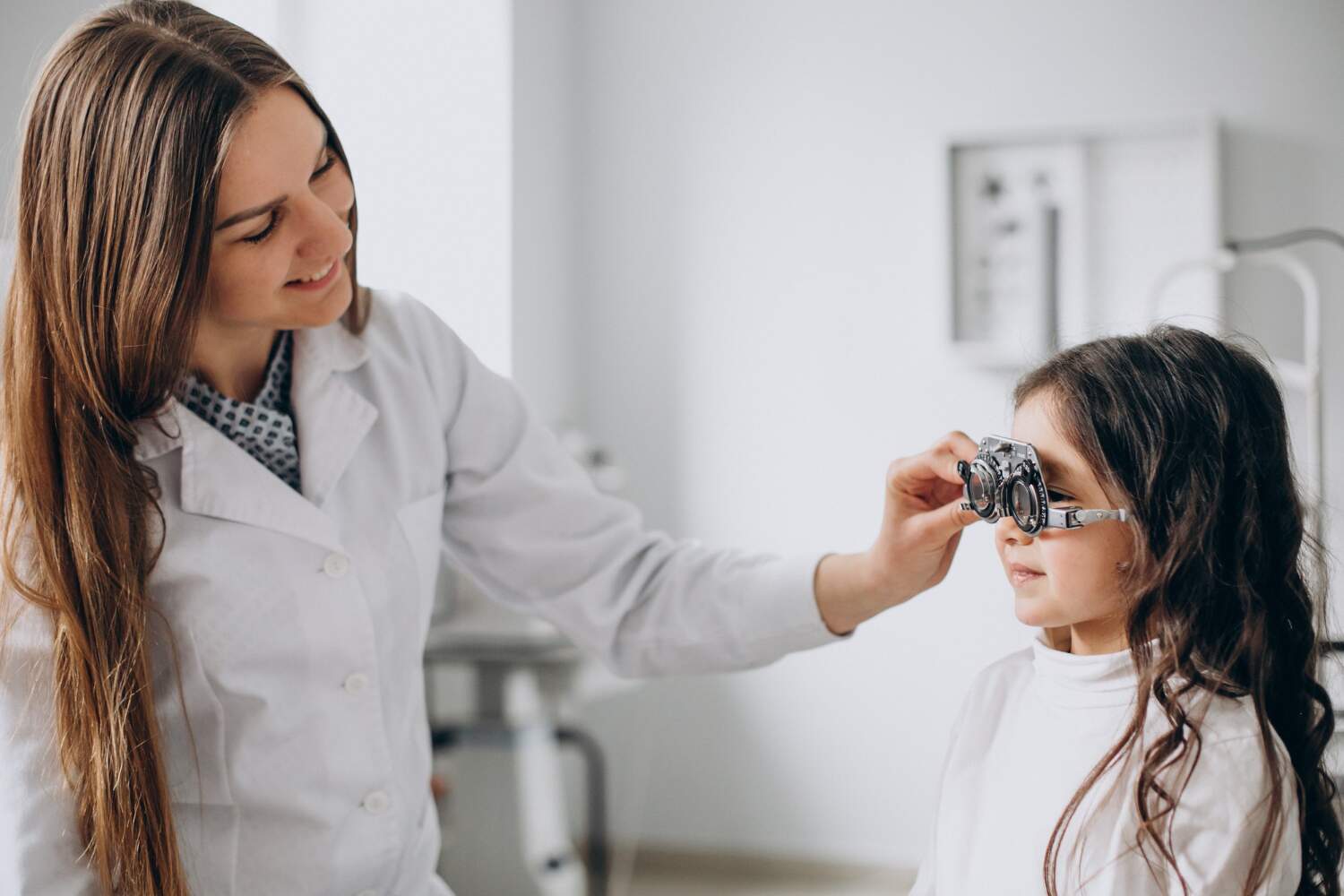

Blurred vision, difficulty seeing up close or far away, and red eyes are often signs that may indicate eye problems impacting child and adolescent development. Collaborative work between Pediatrics and Ophthalmology facilitates early diagnosis and rapid intervention, preventing learning delays and visual complications, and is essential for the treatment of many congenital diseases.
Pediatrics and Endocrinology
Signs of inadequate growth, early or late puberty, weight changes, or symptoms of childhood diabetes may indicate hormonal disorders. In these cases, the participation of both specialties is essential for an accurate diagnosis, appropriate adjustment of hormonal treatments, and monitoring of healthy development.
Postgraduate studies in Pediatrics
Postgraduate studies are an alternative to medical residency for physicians seeking to deepen their knowledge in a specific medical specialty, with greater professional freedom.
At São Leopoldo Mandic, the medical postgraduate program combines in-depth theoretical content and comprehensive clinical practice with real patients, selected according to the course modules.
If you wish to deepen your understanding of comprehensive child health and be prepared to work in a team with different medical specialties, click here to learn about the Postgraduate Course in Pediatrics and Neuropediatrics at São Leopoldo Mandic.