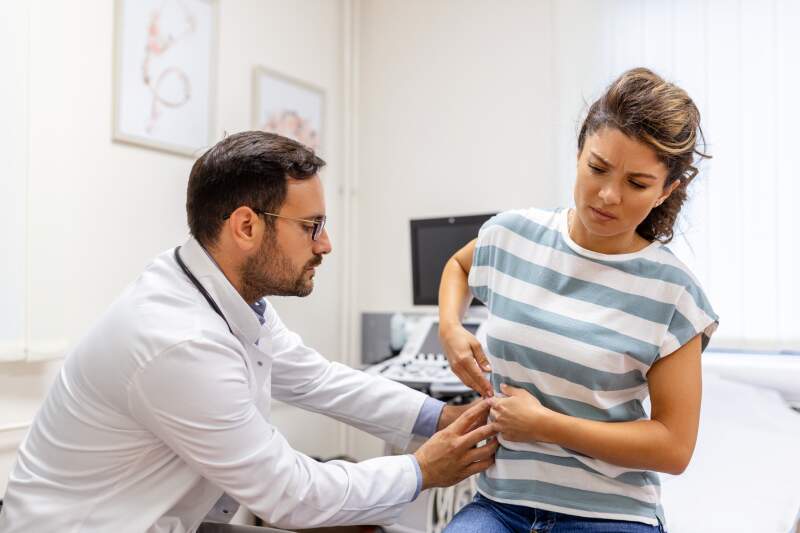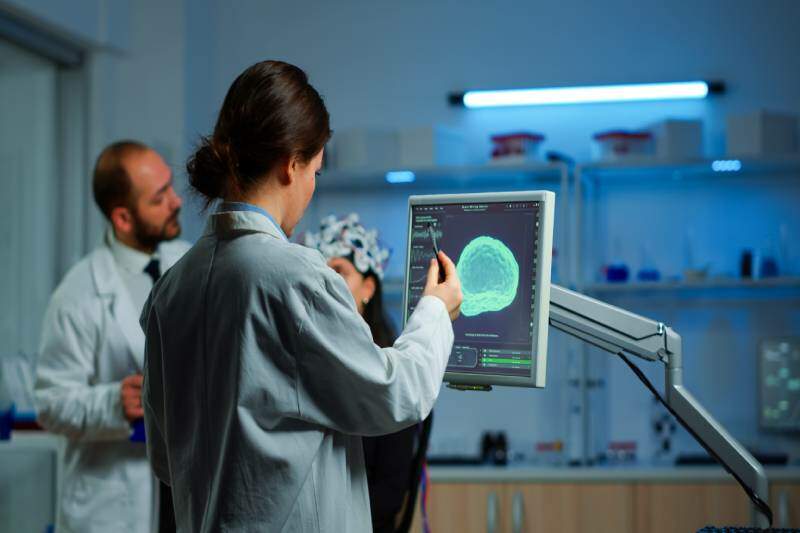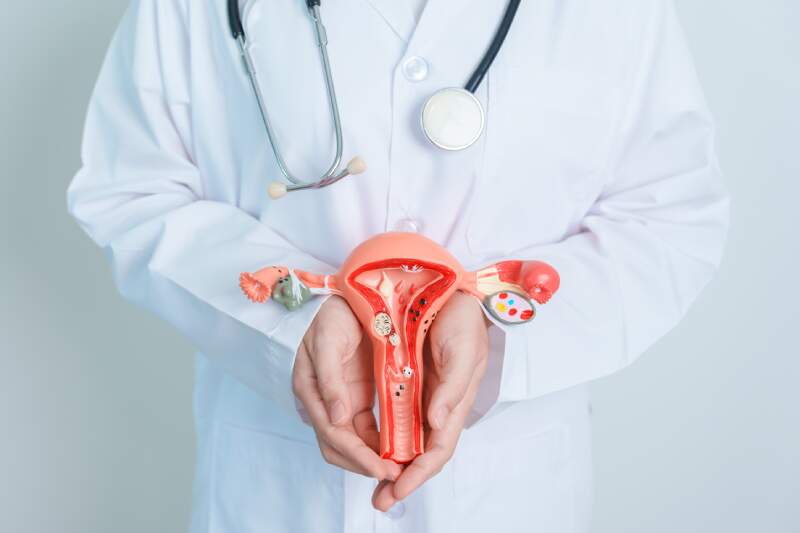


Medical interdisciplinarity is an important tool in patient health care and treatment, providing a more comprehensive view by combining knowledge from different areas of medicine for more accurate diagnoses and more effective treatments.
In this context, Dermatology plays a prominent role, since the skin often reflects what is happening in the body as a whole, revealing signs that something may be wrong. Therefore, dermatologists can and, in some cases, should work in partnership with other specialists.
In this article, you will understand what medical interdisciplinarity means in Dermatology and in what situations you can see this partnership happening in healthcare.
What is medical interdisciplinarity?
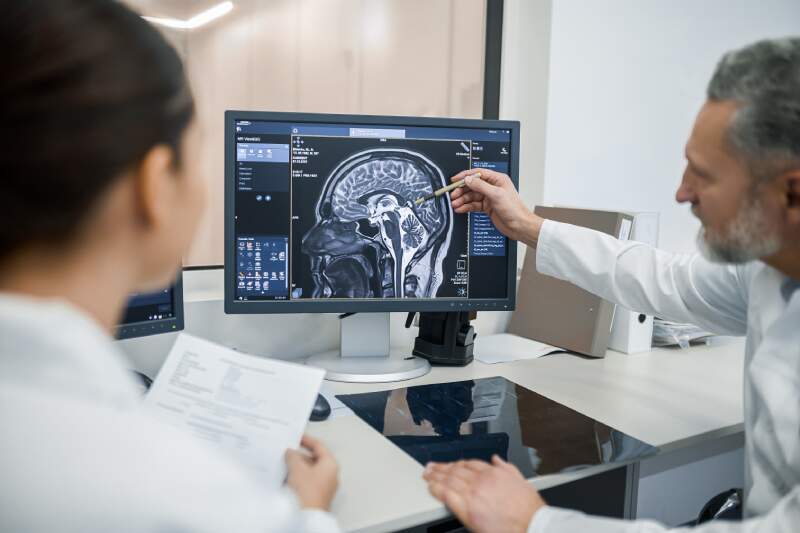
Medical interdisciplinarity , or disciplinary collaboration, is defined as the integration of two or more health areas in the treatment and care of a disease or condition that affects more than one system of the human body and requires the attention of more than one professional.
This practice is very common in the medical field and its main objective is to ensure that the patient receives a more accurate diagnosis and more effective treatment by considering more than one professional opinion, as well as the combination of knowledge, skills and specialties.
It's important to remember that, even though we're primarily talking about medical practice, interdisciplinarity can involve professionals from fields related to physical and mental health, such as nutritionists, physiotherapists, psychologists, etc.
The role of Dermatology
A dermatologist is a doctor who works in the diagnosis, treatment, prevention, and management of diseases and conditions affecting the skin, hair, nails, and mucous membranes. Within this field of medicine, there are also several subspecialties focused on increasingly specific areas of dermatological health.
Among some of these subspecialties, we can mention:
- Clinical Dermatology: the area of Dermatology focused on the treatment of skin diseases, such as acne, psoriasis, atopic dermatitis, fungal infections, or more serious clinical cases, such as different types of skin cancer.
- Surgical Dermatology: a subspecialty focused on procedures such as lesion removal, biopsies, and minor surgeries for diagnosis and treatment. In addition, Surgical Dermatology is the area in which tumor removal and grafting, tissue restoration, and scar repair are performed.
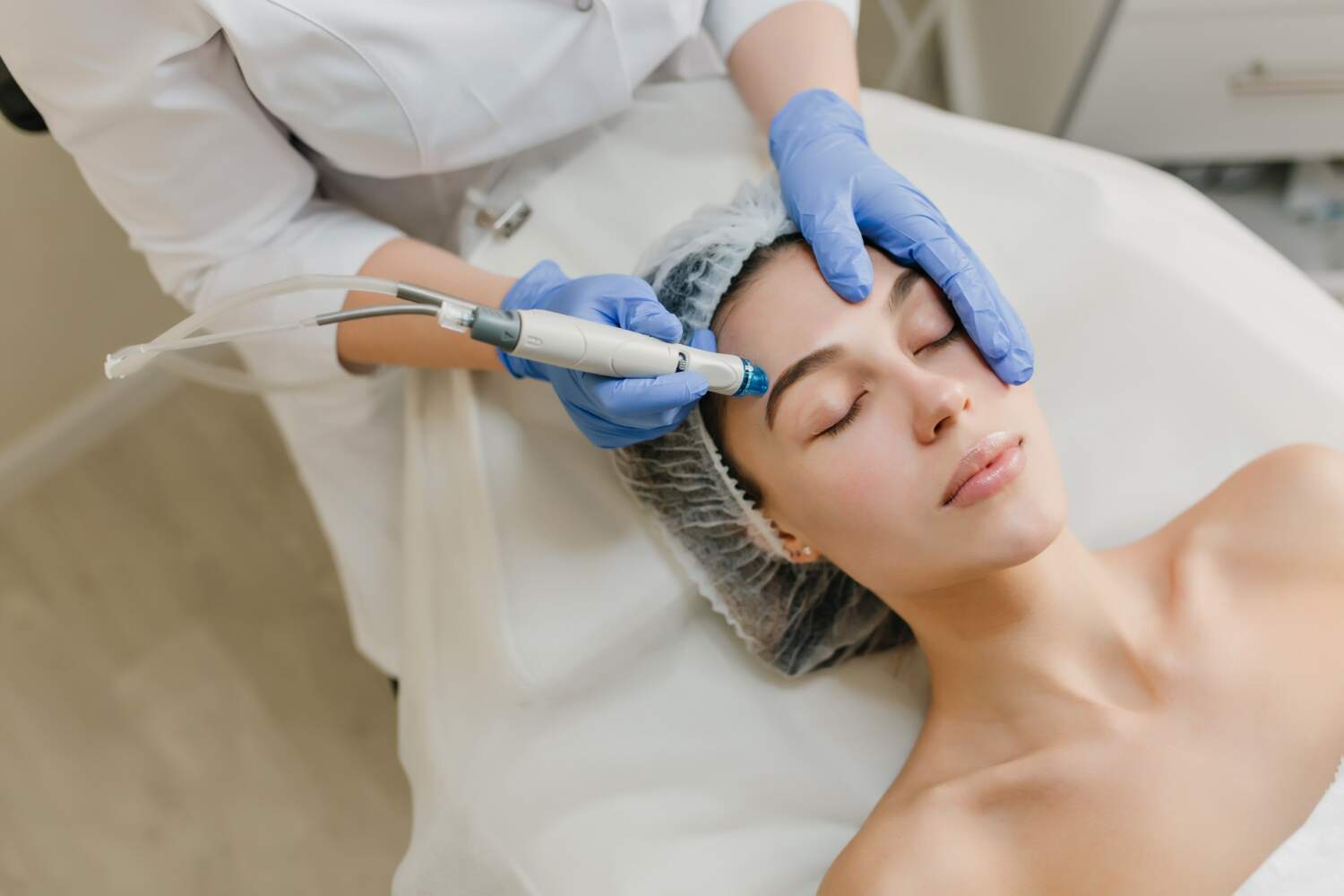
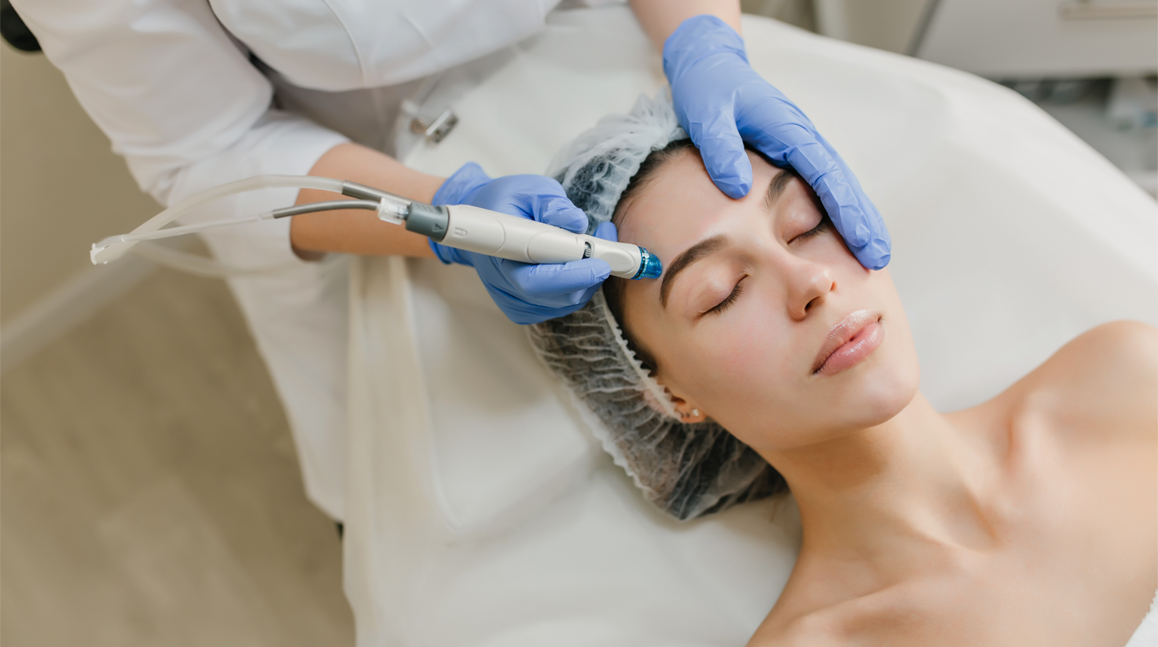
- Aesthetic Dermatology: a subspecialty responsible for procedures that improve the appearance of the skin, such as botulinum toxin injections, fillers, and laser treatments.
Dermatology and interdisciplinary medicine
Dermatology is responsible for the main organ of the human body, which often reflects what is happening internally, with roots related to other medical specialties. Therefore, it is common and important for dermatologists to work in partnership with different specialists for the diagnosis and treatment of the patient.
Dermatology and Endocrinology
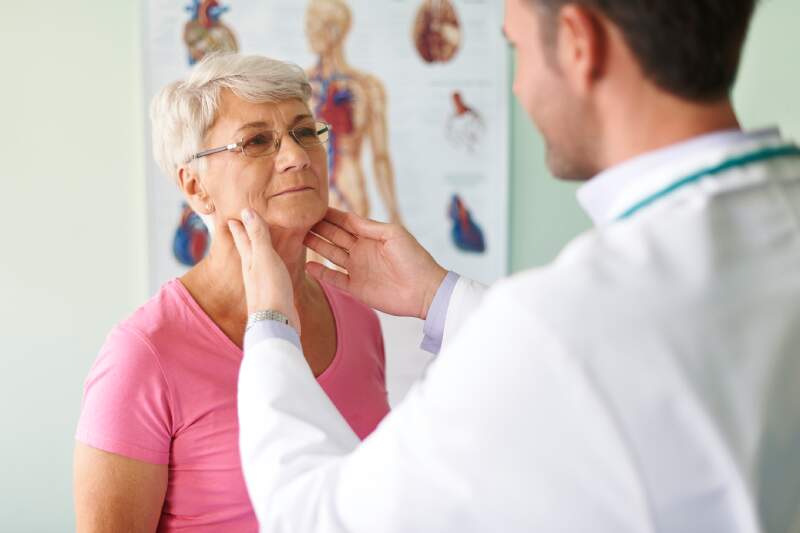
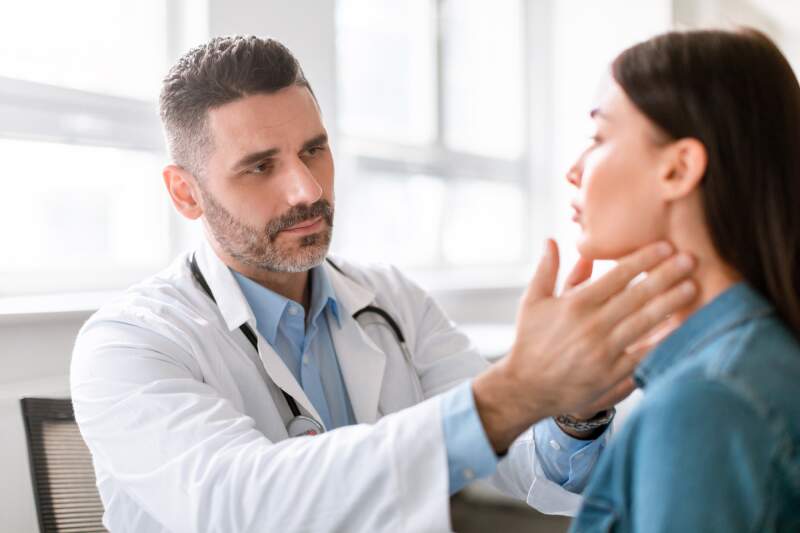
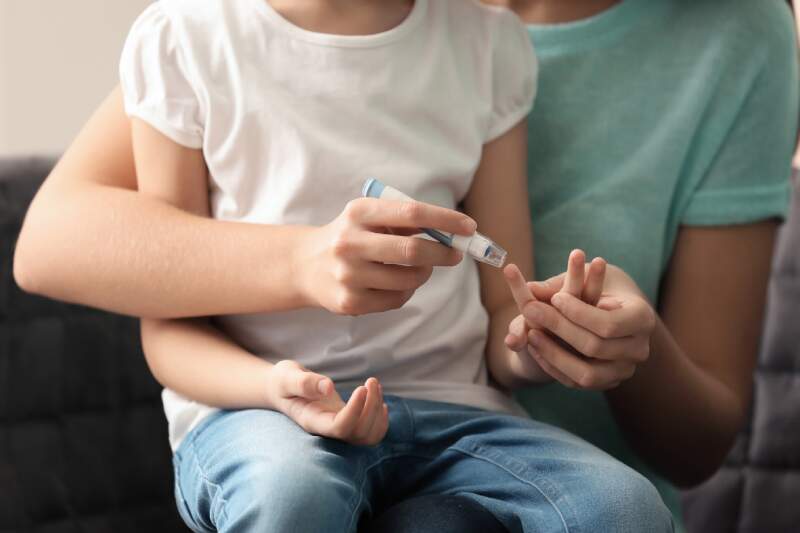
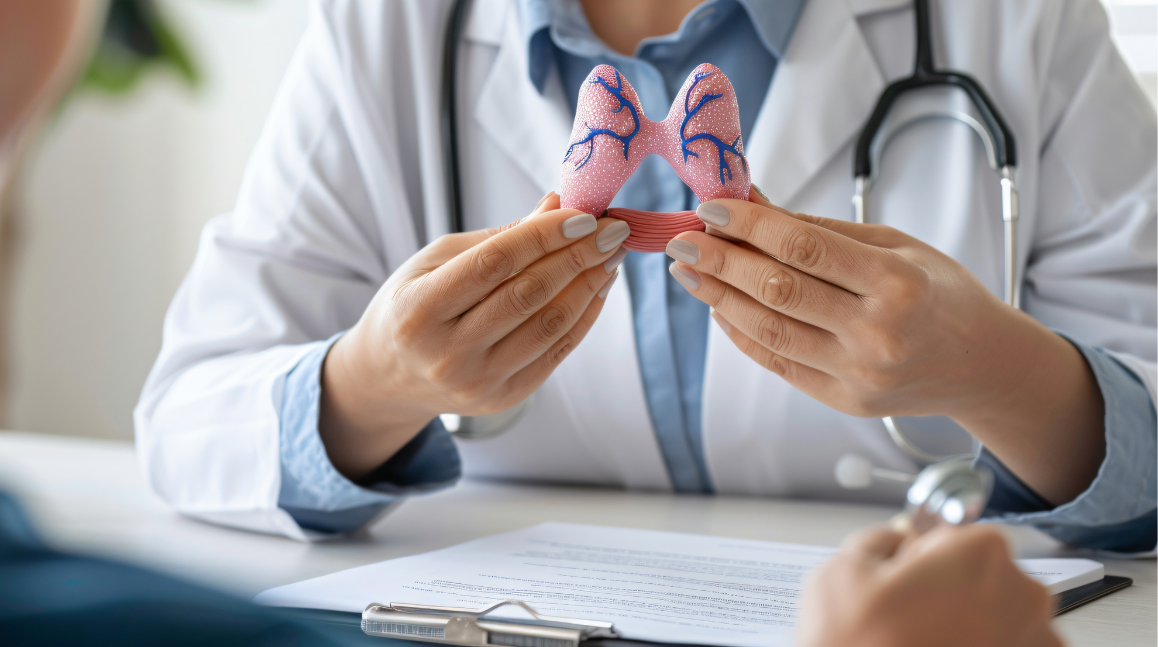
Perhaps one of the best-known partnerships is between Dermatology and Endocrinology, which focuses primarily on the diagnosis and treatment of hormonal problems, such as polycystic ovary syndrome or thyroid disorders, which can manifest on the skin as acne, hair loss, or intense dryness. In this case, dermatologists and endocrinologists work together to diagnose and treat the cause.
Dermatology and Oncology
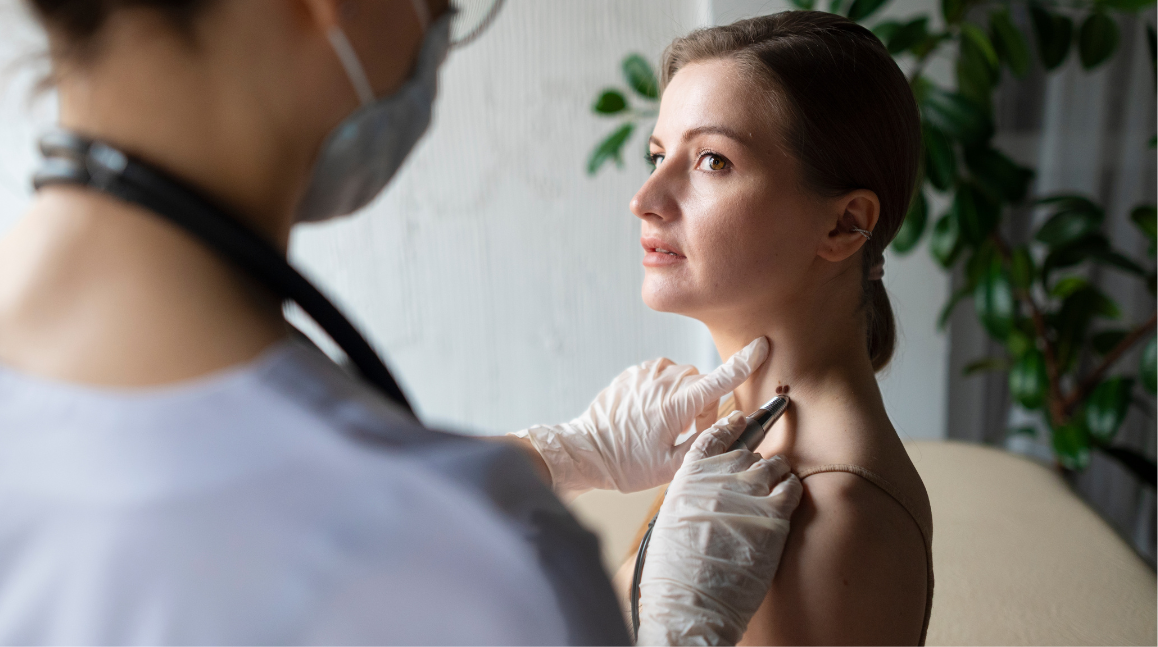
Skin cancer is one of the most common types of cancer in Brazil, representing 30% of malignant tumors registered in the country. The initial diagnosis is made by a dermatologist, who will request tests and biopsies for confirmation. Along with early diagnosis, oncological follow-up significantly increases the chances of a cure and helps mitigate symptoms and monitor the condition.
Dermatology and Rheumatology
Autoimmune diseases, such as systemic or cutaneous lupus erythematosus and scleroderma, which present with signs like skin rashes and reddish spots, are first identified by a dermatologist. However, working together with a rheumatologist ensures more targeted treatment.
Dermatology and Psychiatry/Psychology
Some dermatological diseases and conditions can be accompanied by psychological issues, directly impacting the patient's self-esteem and emotional well-being. In these cases, dermatologists and mental health professionals work together to promote quality of life.
Interdisciplinarity and subspecialties
It is important to remember that interdisciplinarity occurs not only between specialties, but also between subspecialties. In the case of Dermatology, for example, we can mention the combination of skills in the treatment of various types of cancer and skin tumors.
In situations such as the diagnosis of childhood cancer, for example, different subspecialties of Dermatology can complement each other, such as Pediatric and Oncological Dermatology, expanding the possibilities for treatment and patient care.
Postgraduate studies in Dermatology
A postgraduate degree in Dermatology is an alternative to residency and an opportunity to enhance your knowledge in a robust way, combining in-depth theoretical content with clinical practice.
With the highest practical training load on the market, the postgraduate program in Dermatology at São Leopoldo Mandic provides care to real patients, selected according to the content covered during the theoretical classes. All this with a faculty composed of masters and doctors who work in the field and are up-to-date on the main trends and new technologies available in dermatological treatment.
The experience is even better with smaller classes, of up to 20 students, providing greater exclusivity and fostering closer contact between student and teacher. In this way, the quality of education is prioritized.
Discover the postgraduate courses in Dermatology, Surgical Dermatology , and Clinical Trichology at São Leopoldo Mandic.