

Do you know what gastrointestinal disorders are?
Gastrointestinal disorders encompass a range of conditions that affect the functioning of the digestive system and can directly impact quality of life. According to the World Gastroenterology Organisation, approximately 20% of the population lives with at least some type of intestinal problem. Within this group, most resort to self-medication without medical guidance, or simply do nothing about the issue.
In this article, you will understand what gastrointestinal disorders are, what the most common symptoms are, and in what situations it is essential to seek specialized medical advice.
What are gastrointestinal disorders?
Gastrointestinal disorders are diseases that affect organs of the digestive and intestinal tract. This includes the esophagus, stomach, large and small intestines, among others. In addition, other organs related to digestion such as the liver, pancreas, and gallbladder may also be affected.
In general, the symptoms of gastrointestinal disorders are quite similar, falling into two types:
Upper gastrointestinal symptoms
- Chronic and recurring chest or abdominal pain;
- Pain or discomfort in the upper abdomen;
- Difficulty swallowing;
- A feeling of a "lump" in the throat, even without any obstruction;
- Hiccups;
- Nausea and vomiting;
- Rumination.
Lower gastrointestinal symptoms
- Pain or difficulty passing stool;
- Diarrhea;
- Accumulation of gas in the intestines and abdominal distension;
- Abdominal pain;
- Rectal pain or bleeding.
The causes of gastrointestinal disorders are varied and can involve lifestyle, dietary habits, infections, and even mental health. However, most disorders are caused by a combination of poor daily habits, stress, and predisposition to certain conditions.
What are the most common gastrointestinal disorders?
Among the main gastrointestinal disorders are:
Irritable bowel syndrome
is Irritable bowel syndrome (IBS) characterized by recurrent abdominal discomfort or pain related to changes in bowel movement frequency and stool consistency. This gastrointestinal disorder has no known anatomical cause, but professionals commonly associate it with emotional factors and consider it psychosomatic.
Lactose intolerance
is Lactose intolerance the inability to digest lactose due to a lack of the enzyme lactase. In this case, consuming dairy products causes diarrhea and abdominal cramps. The cause of this disorder is actually a natural process in which the body reduces lactase production after weaning from milk as a child.
In other words, healthy adults naturally cannot digest large amounts of lactose. However, due to ancient dietary habits, people of Northern European, East African, and Middle Eastern descent have preserved this ability to produce lactase throughout their lives and are able to consume dairy products.
Gastritis
infections Helicobacter pylori , medications, toxins, or originate from emotional causes such as stress and autoimmune phenomena.
In many cases, gastritis is autoimmune, but when it presents symptoms, it usually manifests as pain or discomfort in the upper abdomen and gastrointestinal bleeding.
Diagnosis and treatment of gastrointestinal disorders
To establish a diagnosis of gastrointestinal disorders, the patient must first undergo a medical history. In this interview, the patient will describe their symptoms, the context of the episodes, and provide other details about their habits and lifestyle.
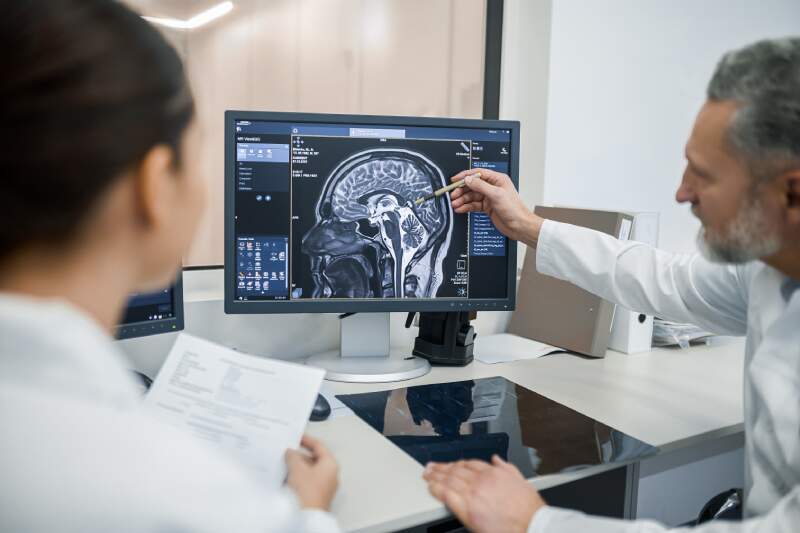
After that, the doctor should order imaging tests to confirm or rule out suspicions. Among the most common tests requested to investigate these cases of gastrointestinal disorders are endoscopy, colonoscopy, and rectosigmoidoscopy. Magnetic resonance imaging (MRI) can help in evaluating organ size, alterations, inflammation, and in identifying tumors.
Treatment for gastrointestinal disorders varies depending on the specific disorder. Therefore, medical follow-up is essential for identifying the disorder and thus determining the appropriate treatment. However, due to its characteristics related to habits and lifestyle, reassessing these aspects can aid in treatment. In any case, upon noticing symptoms characteristic of a gastrointestinal disorder, it is essential that the patient consult a doctor.
The importance of medical follow-up
Gastrointestinal disorders are frequent and often underestimated conditions, but they can pose significant health risks when not properly identified and treated. Recognizing the symptoms, understanding the possible causes, and avoiding self-medication are fundamental steps towards a correct diagnosis. Therefore, in the face of persistent or recurring signs, it is essential to seek a healthcare professional to preserve well-being and prevent complications.