

In medicine, you may come across the term "subspecialty" more than once. This term is used to define an area of knowledge and practice that is even more restricted and in-depth within a specialty.
In the case of Dermatology, today considered one of the most promising and well-paid on the market, some of the best-known subspecialties are Aesthetic Dermatology, Clinical Dermatology, Pediatric Dermatology, Oncological Dermatology, Clinical Trichology, among many others.
In this article, you will learn more about these subspecialties and their different areas of practice.
What are the subspecialties of Dermatology?
Currently, there is no official number of subspecialties recognized by the Federal Council of Medicine, but it is possible to list some of the best-known ones.
Clinical Dermatology
Clinical Dermatology is one of the best-known subspecialties of Dermatology. This subspecialty is responsible for the diagnosis, treatment, and prevention of diseases of the skin, hair, and nails. Among some of the main conditions treated, it is possible to mention more common complaints such as acne and psoriasis, as well as more serious clinical cases, such as different types of skin cancer.
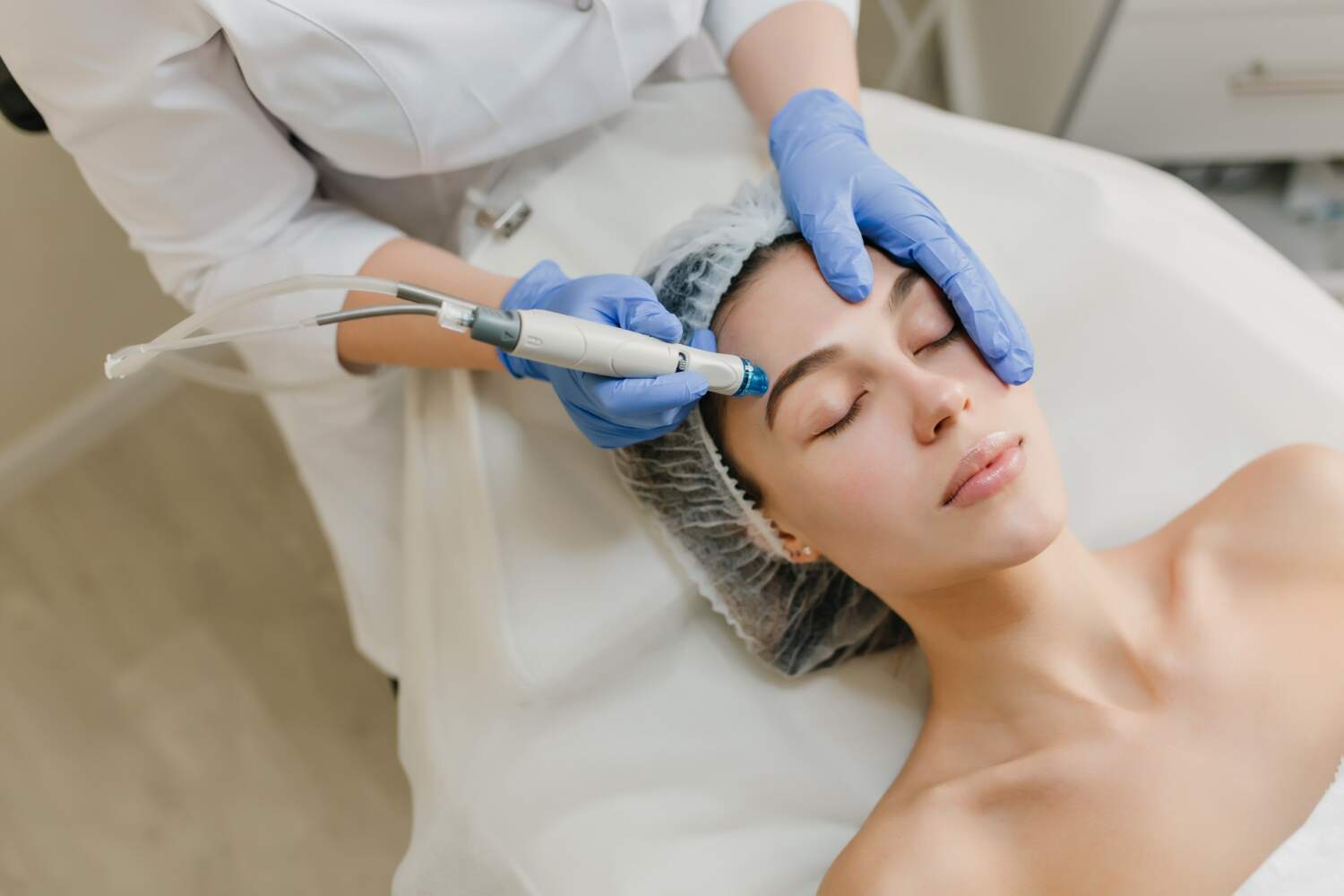
Aesthetic Dermatology
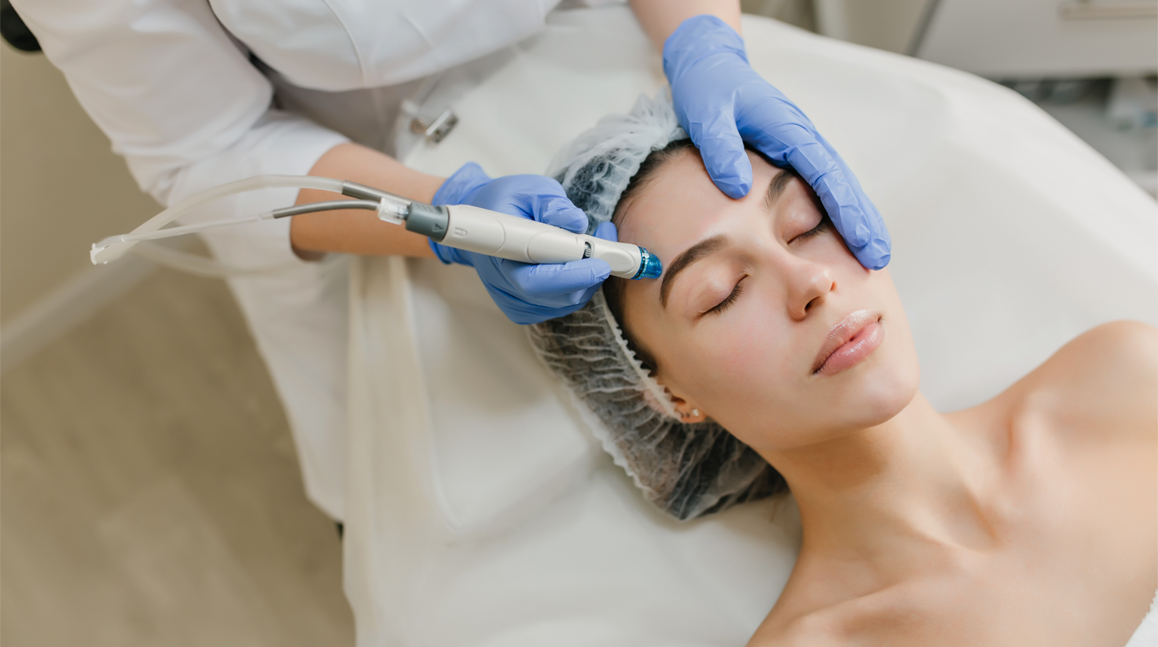
Aesthetic Dermatology is the subspecialty focused on caring for and preserving the beauty and youthfulness of the skin. This subspecialty primarily works through aesthetic interventions to improve appearance, using techniques such as: botulinum toxin, lasers, peels, biostimulators, among others.
Pediatric Dermatology
Pediatric Dermatology is the subspecialty dedicated to the care of children and adolescents, focusing on the diagnosis and treatment of diseases affecting the skin, hair, and nails of this population. Professionals in this area of Dermatology actively work in the care of congenital diseases, dermatitis, allergies, acne, and other complaints.
Surgical Dermatology
is Surgical Dermatology the area of Dermatology that combines clinical knowledge and surgical skills. This subspecialty primarily involves performing procedures ranging from simpler interventions, such as the removal of moles and cysts, to more complex procedures, such as the removal of skin tumors.
Furthermore, Surgical Dermatology also involves the practice of tissue restoration, skin grafting, and scar repair, expanding the possibilities for aesthetic and functional care and recovery for patients.
Trichology
Trichology in popularity in recent years, focusing on the treatment of diseases and conditions affecting the scalp. Professionals in this area of Dermatology diagnose and treat conditions such as alopecia, hair loss, thinning hair, hormonal dysfunctions, chemical damage, and other scalp diseases.
Immunological Dermatology
Immunological Dermatology is dedicated to the care of autoimmune and immune-mediated diseases that affect the skin, acting through treatment with immunosuppressants, biologics, and corticosteroids. Among some of the conditions treated by this dermatology professional, we can mention systemic lupus erythematosus, pemphigus, and psoriasis.
This is typically a subspecialty that tends to work in an interdisciplinary manner, that is, in collaboration with other medical specialties and subspecialties.
Oncological Dermatology
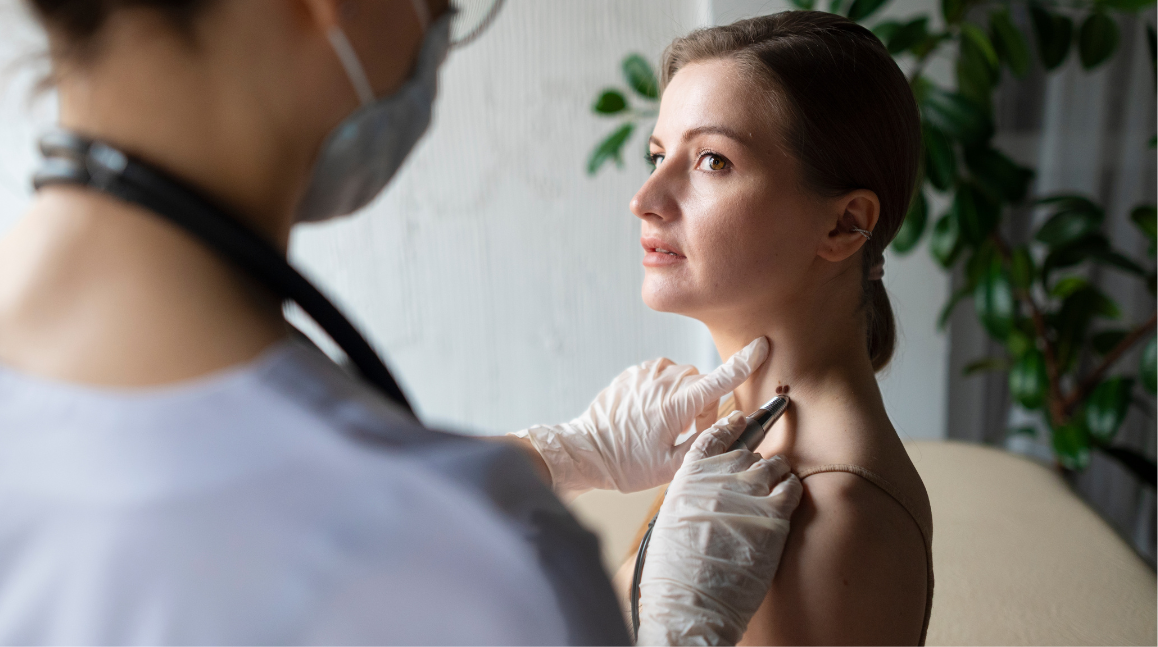
Oncological Dermatology is the area responsible for the prevention, diagnosis, and treatment of different types of skin cancer and other malignant dermatological diseases, contributing especially to early identification through tools such as dermatoscopy and biopsies of suspicious lesions.
It is important to understand that, in many cases, such as the aforementioned example of Immunological Dermatology, these subspecialties can work together in the treatment of a single case, as well as in collaboration with other medical specialties.
Postgraduate studies in Dermatology
A postgraduate degree in Dermatology is an opportunity to deepen your knowledge in the specialty in a more comprehensive way, combining a solid foundation of theoretical content with complete practical experience.
At São Leopoldo Mandic, the postgraduate program in Dermatology boasts the highest practical training hours on the market, designed to ensure you boost your medical career with high-quality education. Here, the faculty comprises renowned masters and doctors, providing dynamic teaching that blends in-depth theoretical content with practical classes involving real patients.
Mandic offers postgraduate courses in Dermatology , as well as courses focused on subspecialties within the field, such as Clinical Trichology and Surgical Dermatology.
Click here to see all available postgraduate options.