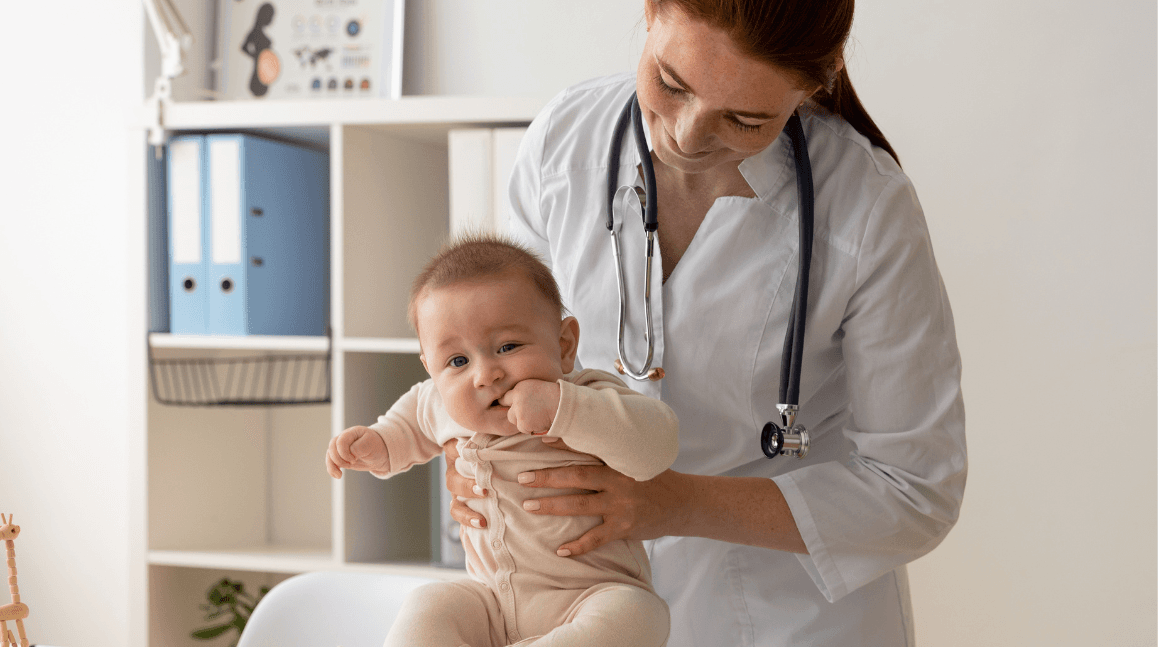
Carreira promissora na pediatria! Mais do que antigamente, hoje as pessoas não buscam apenas o sucesso – querem trabalhar com algo que as faz bem. E isso não é diferente na carreira médica. Neste artigo você aprende um pouco mais sobre a pediatria – essa especialidade cuja pós-graduação pode ser o sonho de muitos.
Pediatria: uma das únicas especialidades médicas que não focam em doenças ou partes específicas do corpo, mas em uma fase da vida – a infância e adolescência.
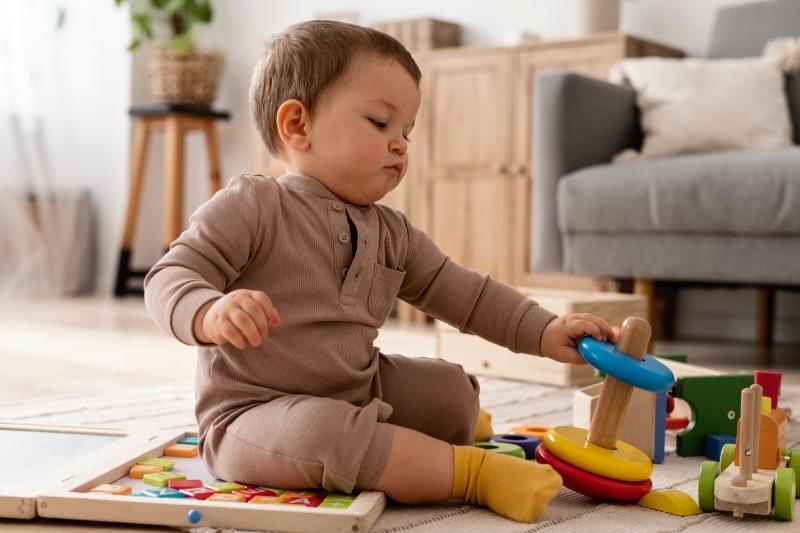
A função da Pediatria é acompanhar o crescimento e desenvolvimento de bebês, crianças e adolescentes. O pediatra acompanha desde a amamentação até as vacinas, oferecendo cuidados tanto preventivos quanto curativos.
Pais e cuidadores estão sempre em busca de informações confiáveis para garantir o bem-estar de seus filhos, isso nunca muda. É por este motivo que o médico recém-formado conhecer essa especialidade é tão relevante: é um mercado que sempre possui demanda.
O que um pediatra faz?
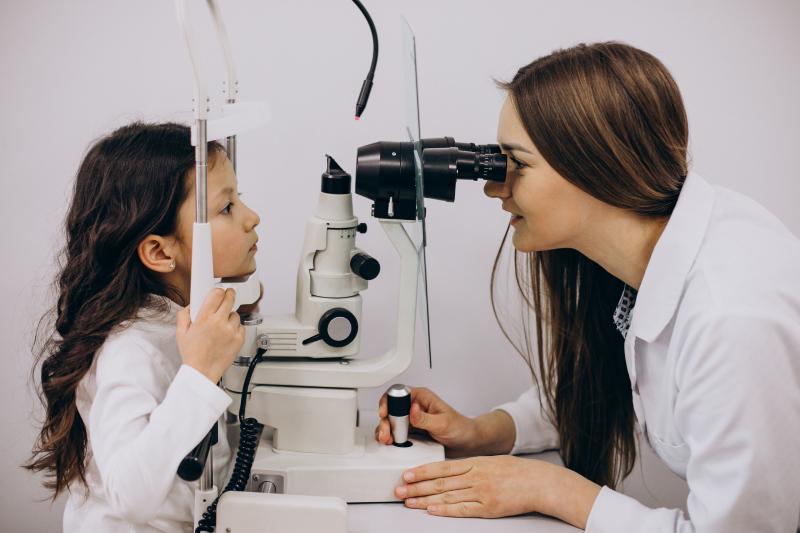
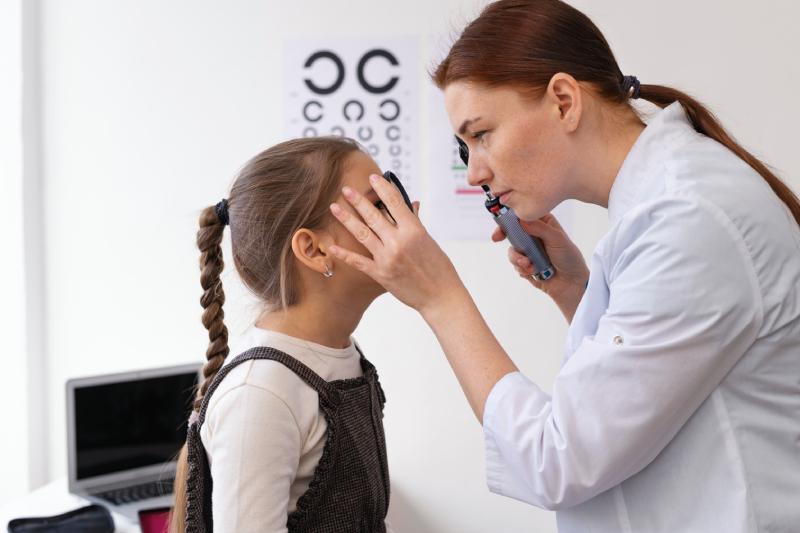
Pediatria é a especialidade médica dedicada exclusivamente à saúde de crianças e adolescentes, fornecendo diagnósticos e tratamentos específicos para essas faixas etárias.
No entanto, o pediatra pode atuar em diversas áreas, como emergências, unidades de terapia intensiva ou enfermarias hospitalares, além de consultórios particulares – atualmente extremamente procurados, já que a busca por tratamento personalizado é uma das tendências dos últimos anos.
A maior parte dos pediatras trabalha em atendimentos ambulatoriais, tratando casos de baixa complexidade – mas que são muito recorrentes. Afinal, quando falamos da preocupação dos pais com seus filhos, qualquer situação tem toda a atenção dos envolvidos.
Contudo, se a ideia ainda for atuar em subespecialidades, como cuidados intensivos pediátricos ou alergia pediátrica, é necessário treinamento adicional, com duração entre um e três anos.
Após essa formação, o pediatra pode atuar em áreas como neonatologia, nutrologia pediátrica, nefrologia pediátrica, neurologia pediátrica, infectologia pediátrica, cardiologia pediátrica, entre outras.
Como é a rotina de um profissional com uma carreira promissora na pediatria?
O pediatra tem um papel de confiança crucial, tanto para a criança quanto para a família.
Por isso, algumas qualidades imprescindíveis são:
- Atenção
- Paciência
- Transparência
- Empatia
Ele não apenas trata doenças, mas também oferece suporte preventivo, orientando e acompanhando seus pacientes em um contexto mais amplo, incluindo o ambiente familiar.
A rotina varia conforme suas especialidades e o local de trabalho. Para os pediatras que escolhem ter seus consultórios particulares, a busca é grande, e pode envolver um contato mais próximo entre os familiares do paciente e o médico.
As famílias podem, inclusive, vê-lo como um consultor diante de situações simples, mas relevantes para a saúde da criança. Um bom exemplo é a introdução alimentar pela qual os bebês passam, e que instiga muito a curiosidade dos pais de primeira viagem.
Qual a remuneração ao atuar nessa área?
Os salários variam conforme a região do país, carga horária e experiência do profissional. O piso salarial é de R$ 7.823, podendo chegar até R$ 13.092.
Cidades como o Rio de Janeiro apresentam maior demanda por pediatras, com muitas oportunidades de emprego.
O mercado desta área vale a pena?
Segundo a pesquisa Demografia Médica no Brasil de 2023, há 48.654 pediatras no país, tornando essa a segunda maior especialidade médica em número de profissionais, atrás apenas da Clínica Médica. Além disso, a demanda por pediatras é alta, tanto nas capitais quanto em áreas rurais. A pediatria também é a segunda maior especialidade em número de residentes, com 4.546 médicos em formação.
Aliás, o público-alvo dessa especialidade costuma ter consultas regulares, especialmente nos primeiros meses de vida, quando visitas mensais ao pediatra são recomendadas.
Estatísticas do SUS mostram que, em média, são realizadas 10 consultas por criança ao ano, o que demandaria 630 milhões de consultas anuais no Brasil.
Carreira promissora na pediatria com uma pós-graduação
O mercado é crescente e a demanda também para quem busca uma carreira promissora na pediatria. Por isso, quem opta por uma pós-graduação, por exemplo, acaba saindo na frente, uma vez que a mesma dura menos de 1 ano – 3 vezes menos que uma residência médica, que leva em média 3 anos para conclusão (isso sem contar o tempo anterior à residência, já que é necessário passar por uma seleção).
Saiba mais sobre a pós-graduação dessa especialidade agora mesmo! CLIQUE AQUI