

Interdisciplinarity is a crucial tool in healthcare, primarily used in the treatment of diseases that affect more than one organ or system in the human body .
Among the medical specialties that benefit most from this collaboration, we can mention Endocrinology, an area of medicine that focuses on the care of hormonal and developmental disorders and issues, which often affect various other body systems.
In this article, you will understand what medical interdisciplinarity means in Endocrinology and in what situations you can see this partnership happening in healthcare.
What is interdisciplinarity?
Interdisciplinarity well , defined by collaboration between specialists from different areas. In medicine, this approach offers a comprehensive view of a patient's complaint, rather than evaluating their symptoms in isolation.
During this collaboration, doctors and specialists from different areas exchange information and points of view, and thus, together, build diagnosis, treatment, and prevention strategies.
It's important to remember that interdisciplinarity can also involve professionals in the field of physical and mental health, even if they are not doctors. Among them, we can mention nutritionists, physiotherapists, psychologists, and others, further enhancing the quality of care offered to the patient.
The role of Endocrinology
Endocrinology is the area of medicine responsible for the care and treatment of organs and hormonal and metabolic conditions, including diabetes, thyroid, obesity, growth and puberty, pituitary gland, and adrenal glands. In addition, it also focuses on even more specific conditions such as osteometabolism, androgenology, cholesterol, and triglycerides.
To achieve this goal, as with other medical specialties, Endocrinology has a number of subspecialties, geared towards even more specific needs.
Among some of these subspecialties, we can mention:
- Pediatric Endocrinology: a subspecialty focused on the care of children and adolescents, from diagnosis and monitoring to the treatment of hormonal and developmental disorders.
- Female Endocrinology: This subspecialty studies and treats female hormonal issues, such as menstrual disorders, infertility, menopause, and other women's health issues.
- Neuroendocrinology: a subspecialty of Endocrinology that studies the interaction between the nervous system and the endocrine system, focusing especially on the hypothalamus and pituitary gland, which integrate the nervous system with the endocrine system to regulate vital functions such as metabolism, growth, reproduction, and others.
Endocrinology and interdisciplinarity
As seen in the previous topic, Endocrinology is a field of Medicine that, by itself, deals with the treatment of more than one system and organ of the human body and therefore requires increasingly specific knowledge. For this reason, Endocrinology stands out in medical interdisciplinarity, integrating different specialties to offer complete and effective care.
Endocrinology and Cardiology
Metabolic syndrome, hypertension, and dyslipidemia are conditions that frequently present with a high cardiovascular risk. Collaborative work between Endocrinology and Cardiology allows for the control of risk factors, prevention of heart attacks and strokes, and thus, a better quality of life for the patient.
Endocrinology and Nephrology
In cases of diabetes or chronic hypertension, the kidneys can be severely affected. Collaboration between the specialties of Endocrinology and Nephrology is essential to prevent or slow the progression of chronic kidney disease.
Endocrinology and Ophthalmology
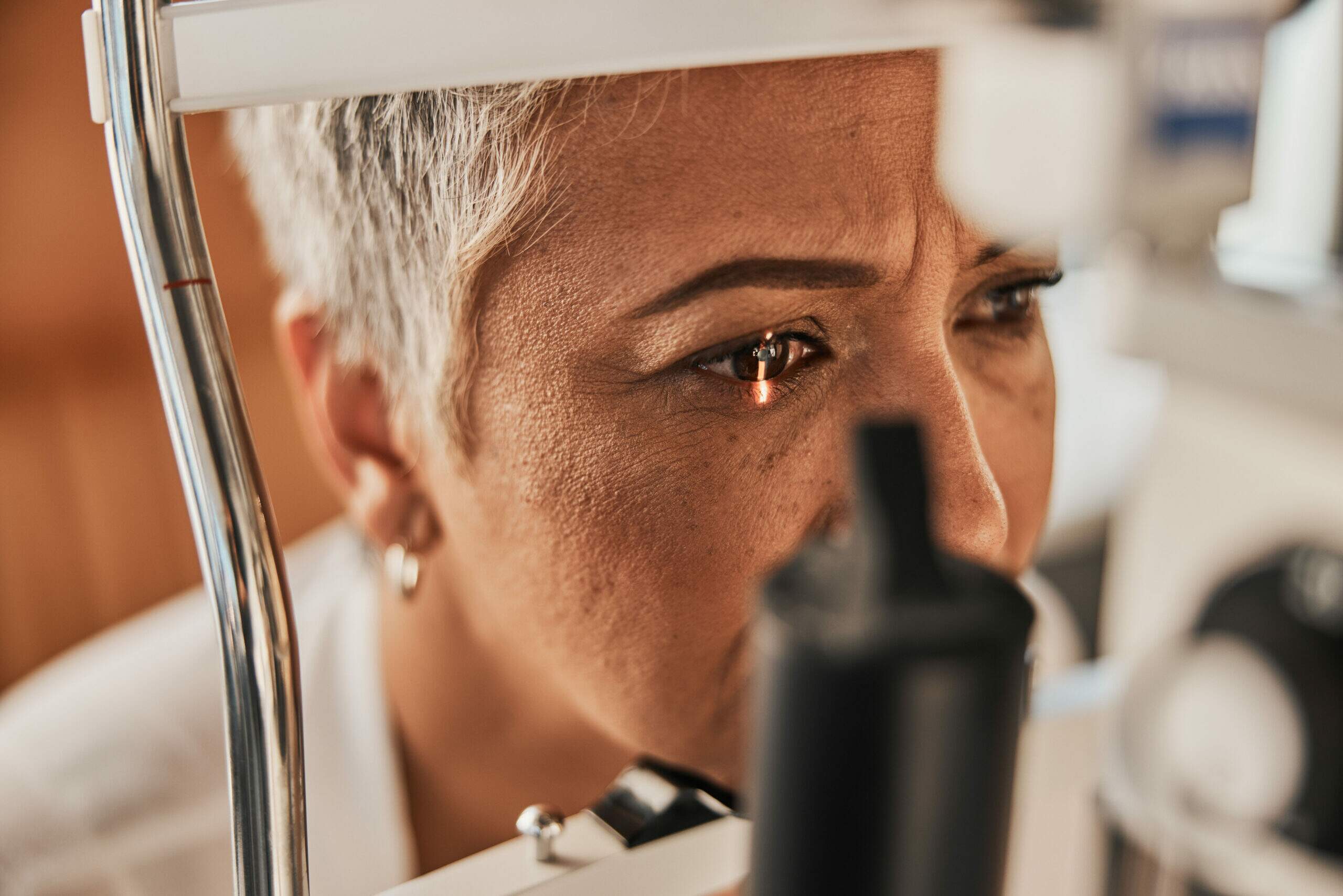
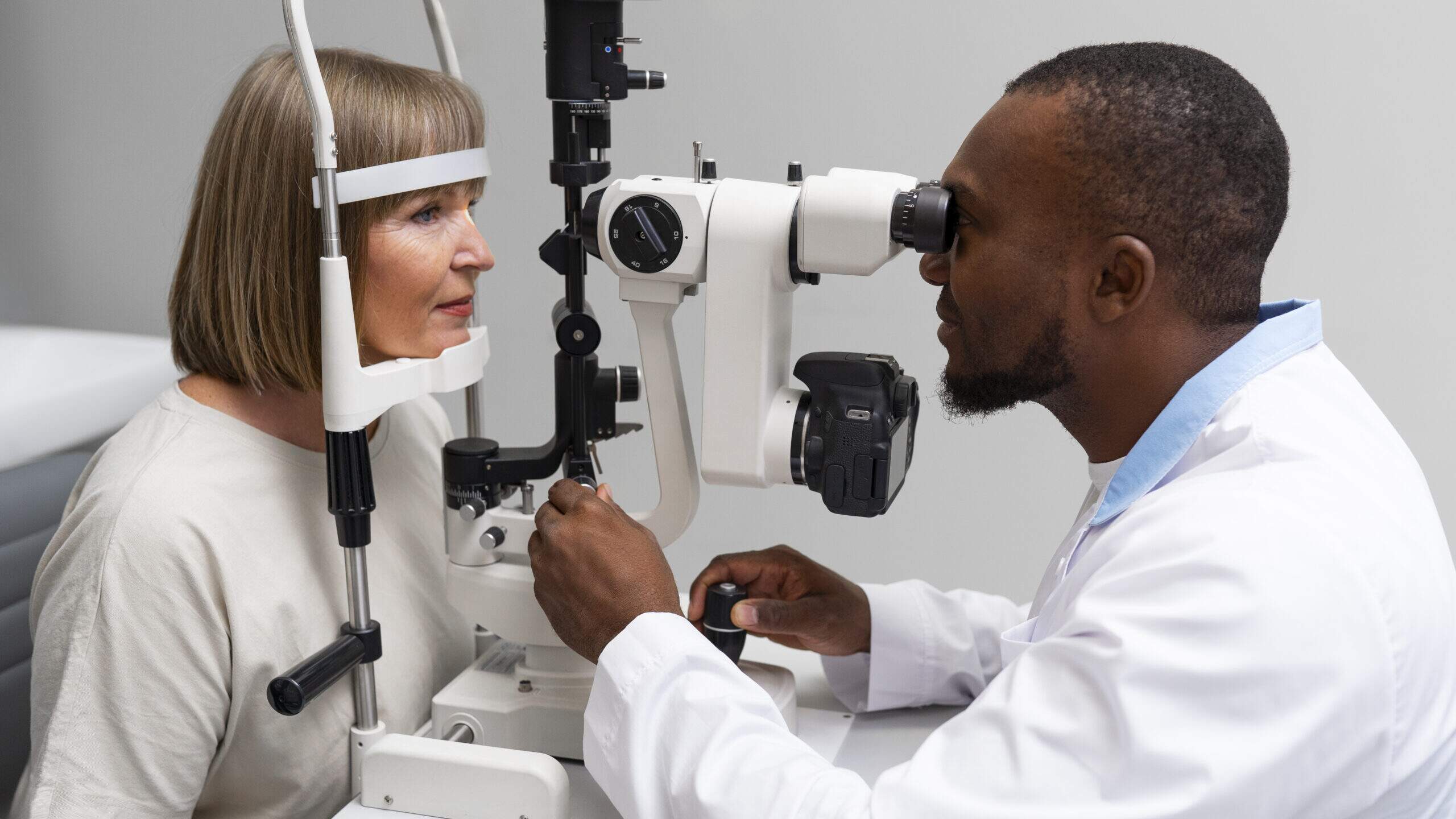

Diabetes and its variations can also cause eye complications, such as diabetic retinopathy. Interdisciplinary follow-up with an ophthalmologist is crucial in controlling blood glucose levels and preserving vision.
Endocrinology and Gynecology
Hormonal disorders such as polycystic ovary syndrome (PCOS), infertility, and menstrual irregularities require joint monitoring by Endocrinologists and Gynecologists. While the endocrinologist focuses on hormones and glands, the gynecologist treats women's reproductive health, ensuring more effective diagnosis and treatment.
Postgraduate studies in Endocrinology
Medical postgraduate studies are an alternative to residency, providing physicians with greater flexibility and control over their study and patient care routine, without sacrificing practical experience.
At São Leopoldo Mandic, the postgraduate program in Endocrinology offers comprehensive theoretical content and practical experience with real patients and cases. All this ensures high-quality, up-to-date education using the leading techniques and technologies available on the market.
Click here to learn about the Endocrinology postgraduate program at São Leopoldo Mandic and take the next step in your medical career!