
Female Endocrinology is a branch of medicine dedicated to the study and care of women's hormonal health throughout all stages of life. This subspecialty of Endocrinology plays a fundamental role in promoting hormonal balance and preventing various conditions that directly affect women's well-being.
In this article, you will learn more about Female Endocrinology and discover if this subspecialty is the right path for your medical career.
What is Female Endocrinology?
Female Endocrinology is a subspecialty of Endocrinology focused on the diagnosis, treatment, and prevention of hormonal disorders affecting the female body, including precocious or delayed puberty, infertility, menopause, post-menopause, and other conditions.
Monitoring these issues can begin as early as puberty, when the first signs of development appear and the menstrual cycle begins. Therefore, this subspecialty often works in partnership with other professionals, such as gynecologists, ensuring comprehensive women's health care.
What does a female endocrinologist do?
Among the main issues addressed by this professional are:
Amenorrhea
Amenorrhea is a condition characterized by the absence of menstruation and can present in two forms:
Primary amenorrhea: occurs when a young woman has not yet had her first menstruation by age 13 and does not show development of secondary sexual characteristics, such as breasts and pubic hair, or when these characteristics are present but menstruation does not occur until age 15.
Secondary amenorrhea: occurs in women with regular menstrual cycles, characterized by the absence of menstruation for three consecutive months, or for six or more menstrual cycles per year in patients who already had irregular menstruation.
Both cases can result from impairment of the system responsible for the menstrual cycle. However, there is also the possibility that the interruption of a normal menstrual cycle may occur due to genital anatomical changes.
Furthermore, endocrinological diseases can also contribute to the onset of amenorrhea, such as polycystic ovary syndrome or hyperprolactinemia. Factors such as eating disorders and stress may also be related to the onset of this condition.
Polycystic Ovary Syndrome (PCOS)
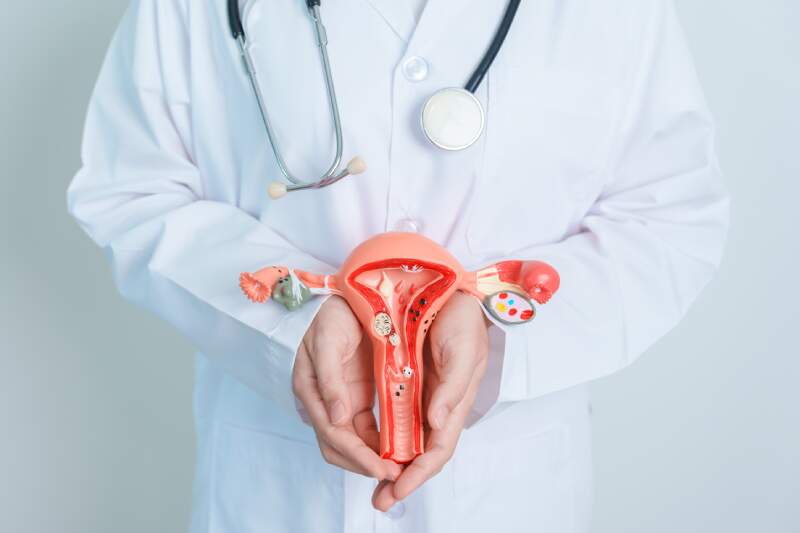
is Polycystic Ovary Syndrome (PCOS) an endocrinopathy characterized by the formation of multiple cysts in the ovaries. This condition manifests itself through hormonal dysregulation, irregular menstrual cycles, and difficulty getting pregnant.
This condition can also lead to acne, excessive hair growth, or androgenic alopecia. Furthermore, in more severe cases, PCOS can be associated with obesity and infertility.
The syndrome is diagnosed through transvaginal ultrasound examination, along with an assessment of hormone levels and an analysis of the symptoms reported by the patient.
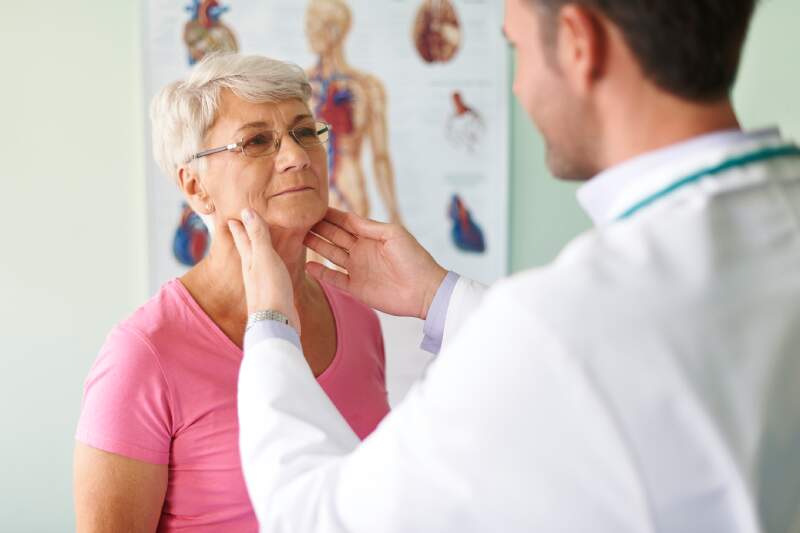
Thyroid problems
According to information released by the São Paulo City Hall, thyroid disorders are more common in women than in men, and data indicate an increase in recent years. Among the main conditions associated with thyroid problems are:
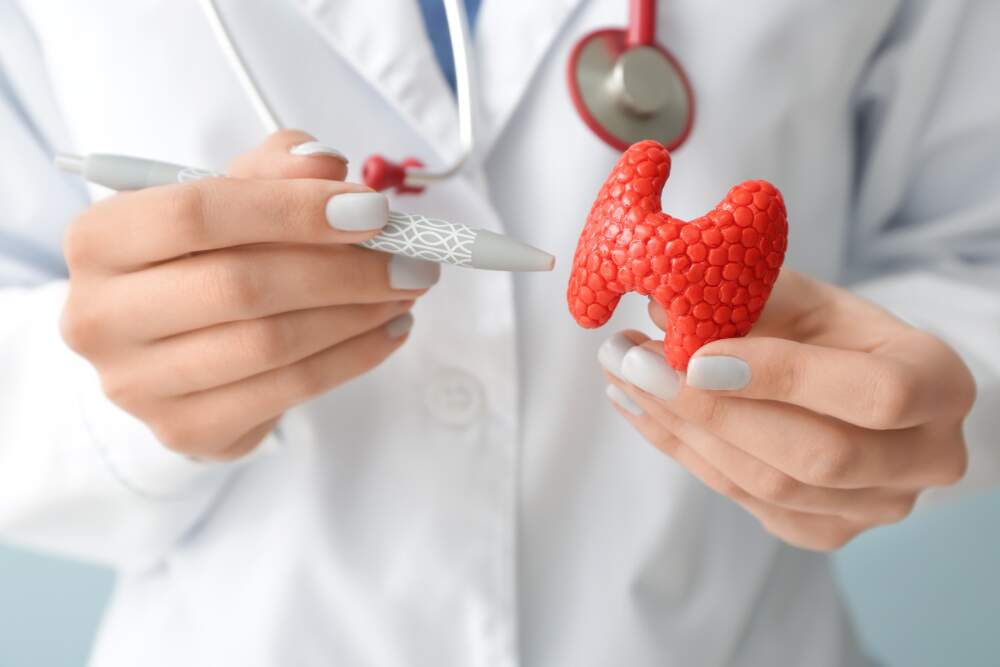
Hyperthyroidism: a condition characterized by increased production of thyroid hormones, which are responsible for regulating functions such as metabolism, heart rate, and body temperature.
Hypothyroidism: unlike hyperthyroidism, it occurs when there is a reduction in the production of these hormones, leading to a decrease in the body's metabolic functions.
Both conditions, although they can also occur in men and children, are more common in adult women. Hyperthyroidism and hypothyroidism can even lead to menstrual cycle irregularities and affect the cardiac and skeletal systems when not diagnosed and treated early.
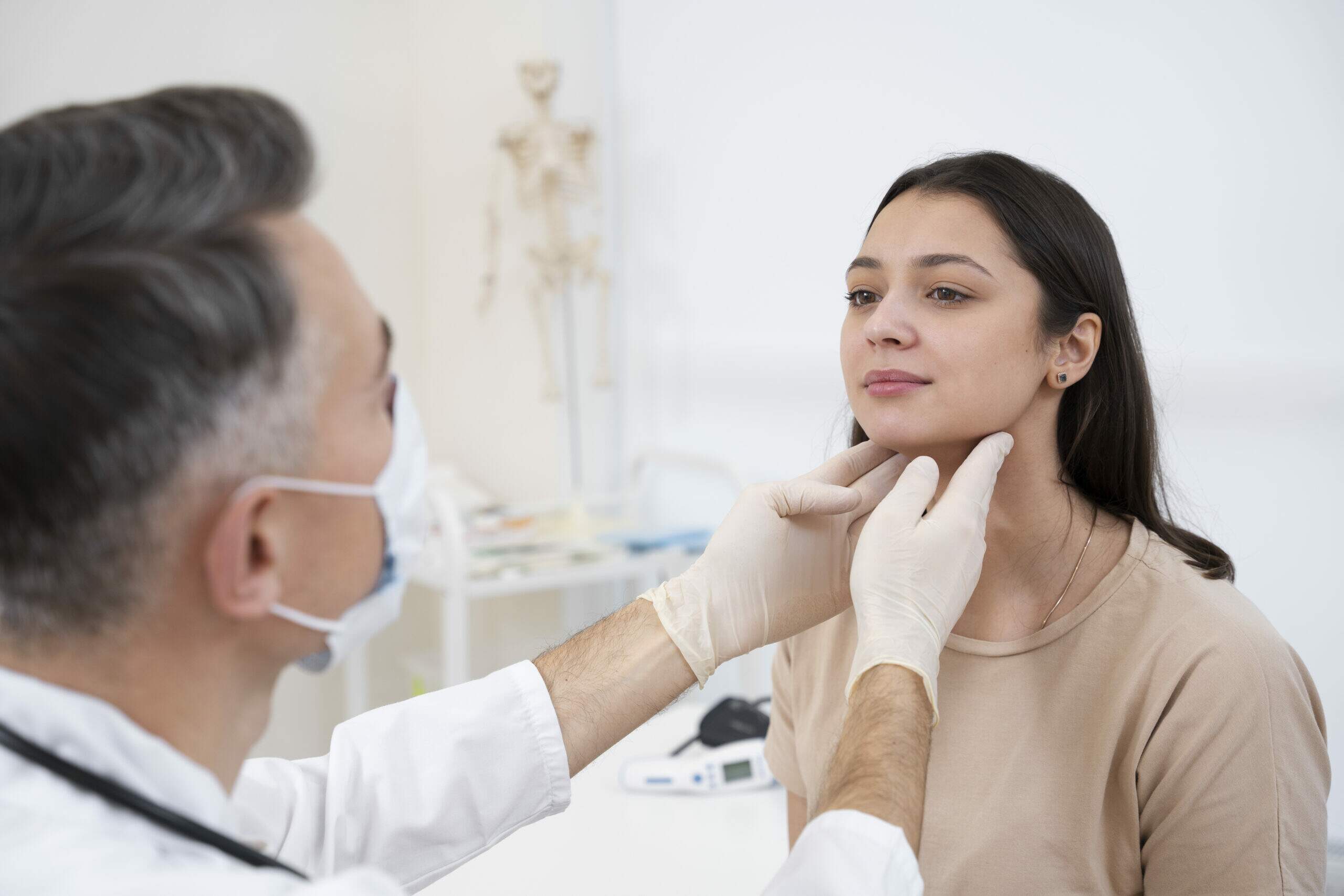
The diagnosis of both conditions is based on an analysis of the symptoms reported by the patient, combined with the results of laboratory tests that indicate the levels of hormones produced by the thyroid.
Differences between Endocrinology and Female Endocrinology
Endocrinology is the medical specialty focused on the study of hormones and glands, such as the thyroid, pancreas, pituitary gland, and adrenal glands. This area of medicine primarily deals with the diagnosis and treatment of diseases that affect metabolism, reproduction, and various other systems of the human body.
On the other hand, Female Endocrinology is a subspecialty of Endocrinology that addresses these issues from the perspective of the specific characteristics of the female body. In other words, this means that a female endocrinologist is prepared to attend to and treat specific conditions, such as hormonal imbalances and disorders related to the reproductive system.
Postgraduate studies in Endocrinology
Endocrinology is a broad medical specialty that is increasingly valued and necessary. Therefore, postgraduate studies are an excellent opportunity for physicians who wish to deepen their knowledge in the field and gain greater confidence in the care, diagnosis, and treatment of their patients.
Therefore, the postgraduate program in Endocrinology at São Leopoldo Mandic provides a solid education, combining in-depth theory with intensive practical experience in the care of real patients. Clinical activities are supervised by experienced professors who work in the field and closely follow the main innovations and advances in the area.
So, click here and learn about the postgraduate program in Endocrinology at São Leopoldo Mandic to take the next step in your medical career!