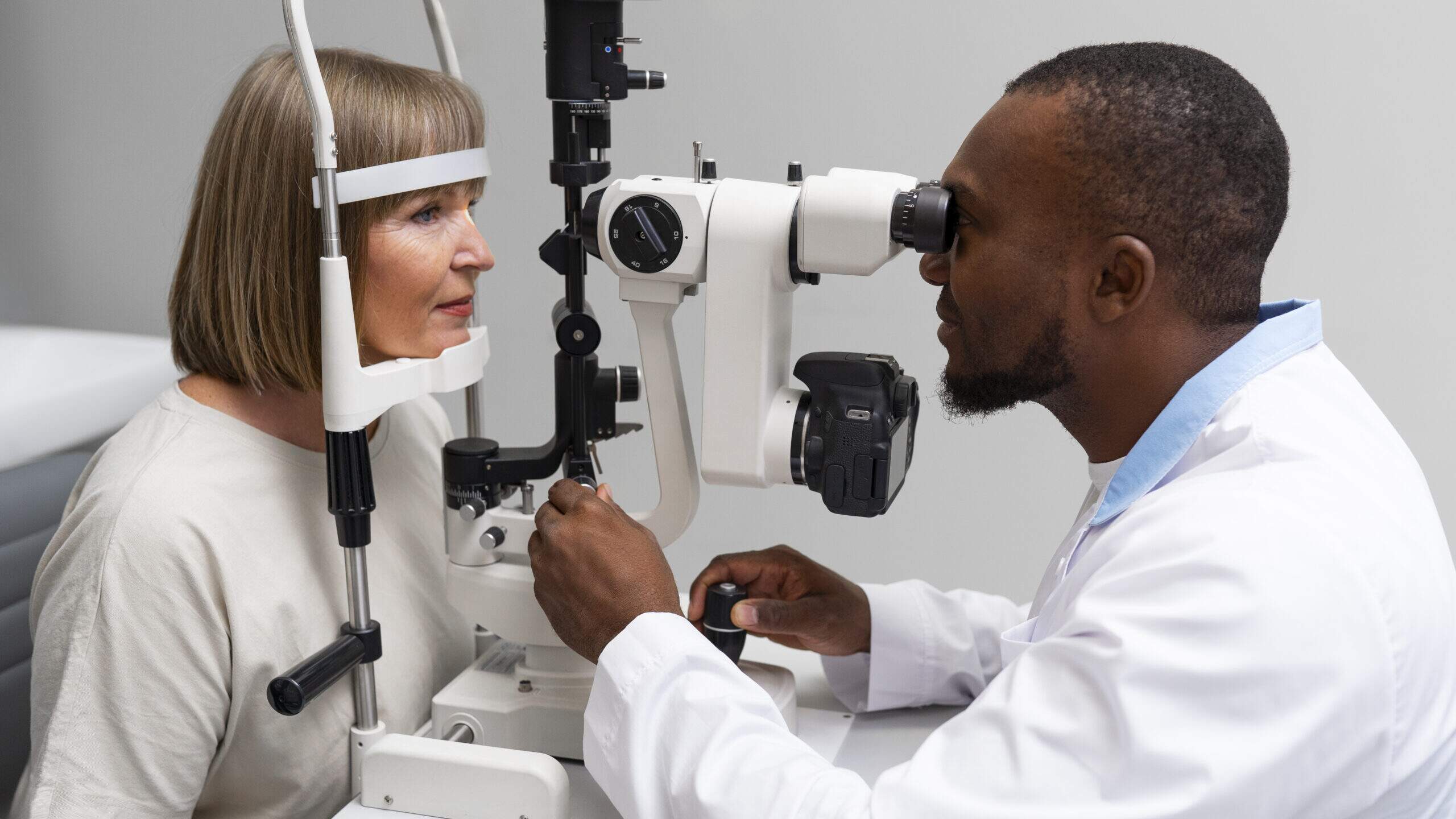


Interdisciplinary medicine is an essential tool in medicine, ensuring that the patient receives a more accurate diagnosis and more effective treatment through the combination of knowledge and experiences from professionals in different specialties.
In Psychiatry, for example, psychiatric disorders are rarely limited to the mind alone and often manifest in the body as well, interfering with biological, social, and behavioral functions.
Therefore, Psychiatry is one of the medical fields that most needs interdisciplinarity, working together with other specialties and health professionals to provide a more complete analysis of the patient's health.
In this article, you will understand what medical interdisciplinarity means in Psychiatry and in what situations you can see this partnership happening in healthcare.
What is Interdisciplinarity?
Medical interdisciplinarity can be defined as the collaboration between two or more specialties within medicine with the goal of providing the most accurate diagnosis and the most effective treatment for cases where more than one body system is affected by a disease or condition.
It's important to remember that, although this article specifically addresses collaboration between medical specialties, during patient care, physicians can collaborate with other healthcare professionals such as psychologists, physiotherapists, nutritionists, and others.
The role of Psychiatry
Psychiatry is a medical specialty that studies, treats, and helps prevent mental, emotional, and behavioral disorders, such as depression, anxiety, and schizophrenia.
As with other medical specialties, Psychiatry has a number of subspecialties, geared towards even more specific needs. Among them, we can mention:
- Geriatric Psychiatry: a subspecialty that focuses on the care of mental disorders that manifest, or are more likely to manifest, in older adults, such as dementia and other degenerative conditions. In addition, it assists in the treatment of issues such as anxiety, depression, coping with loss, and sleep disorders.
- Child and Adolescent Psychiatry: This subspecialty is dedicated to the diagnosis and treatment of disorders such as attention deficit hyperactivity disorder, autism spectrum disorder, eating disorders, and issues such as anxiety, depression, among others, in children and adolescents.
- Substance Abuse Psychiatry: a subspecialty focused on the care and treatment of dependence on psychoactive substances such as alcohol, illicit drugs, and medications.
Psychiatry and Interdisciplinarity
Psychiatry is a branch of medicine that often deals with the intangible, but also directly impacts the patient's physical well-being, potentially manifesting through other bodily systems.
Therefore, an interdisciplinary approach is often necessary during psychiatric care. Or psychiatry can contribute to the work of other specialties.
Psychiatry and Neurology
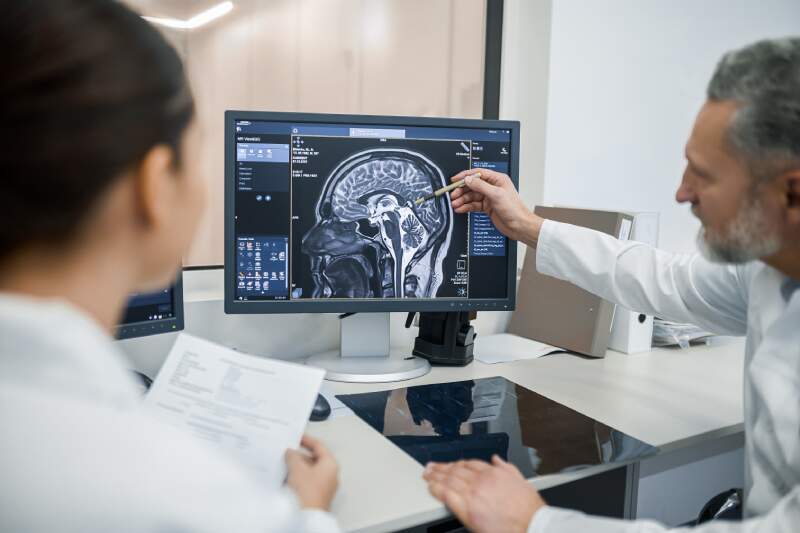
The treatment of degenerative diseases, such as Alzheimer's, epilepsy, dementia, and others, is a collaborative effort between both specialties. The joint action between Psychiatry and Neurology is essential to differentiate diagnoses and conduct treatment safely and effectively, mitigating symptoms and providing a better quality of life for the patient.
Psychiatry and Endocrinology
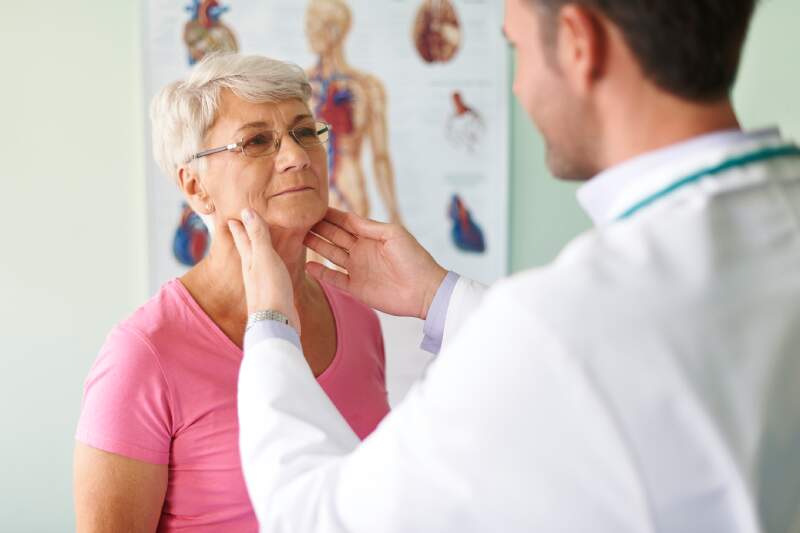
Hormonal disorders, such as thyroid problems or Cushing's syndrome, can cause anxiety and depressive symptoms. Collaboration between Psychiatry and Endocrinology allows for the identification of organic causes of emotional changes, adjusting treatments for better clinical response, and providing therapeutic support during treatment.
Psychiatry and Internal Medicine and others…
Patients with chronic diseases, such as cancer, heart failure, or diabetes, frequently develop depression or anxiety. Interdisciplinary follow-up between Psychiatry and Internal Medicine, often in conjunction with other specialties, helps with treatment adherence and overall management of the patient's health.
Postgraduate studies in Psychiatry
Postgraduate studies are an alternative to residency, providing in-depth theoretical study and comprehensive practical experience for physicians who wish to pursue further studies in a medical specialty.
At São Leopoldo Mandic, the postgraduate program in Psychiatry offers practical classes with real patients, selected according to the course modules, ensuring that students have contact with the main psychiatric conditions. During patient care and case discussions, students are accompanied by supervising professors who are active in the field.
Click here to learn about the postgraduate program in Psychiatry at São Leopoldo Mandic and take the next step in your medical career!