

Each stage of medical training develops clinical skills, scientific knowledge , and a human perspective on the profession. And each of these skills is fundamental to making you an excellent healthcare professional.
In this article, you will get a complete overview of this journey and the development opportunities for your medical career.
First step: graduation
A medical degree, lasting a minimum of six years, is divided into three fundamental cycles:
- Basic cycle: This is the time to build the scientific foundation of Medicine, covering essential subjectssuch as Anatomy, Biochemistry, and Physiology. In the first two years, the student immerses themselves in theoretical classes and practical activities in laboratories, where they examine everything from microscopic samples to complex systems of the human body.
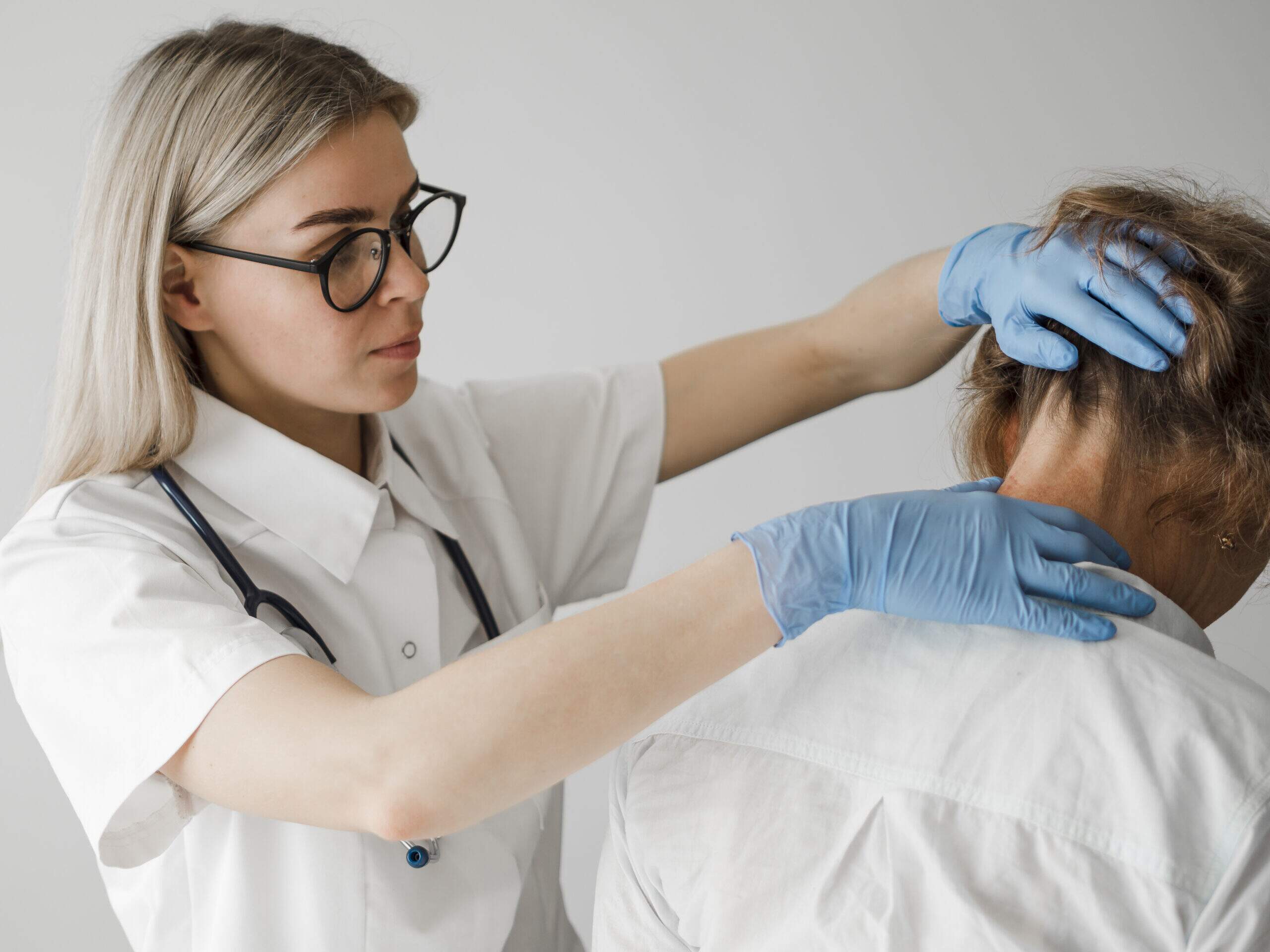
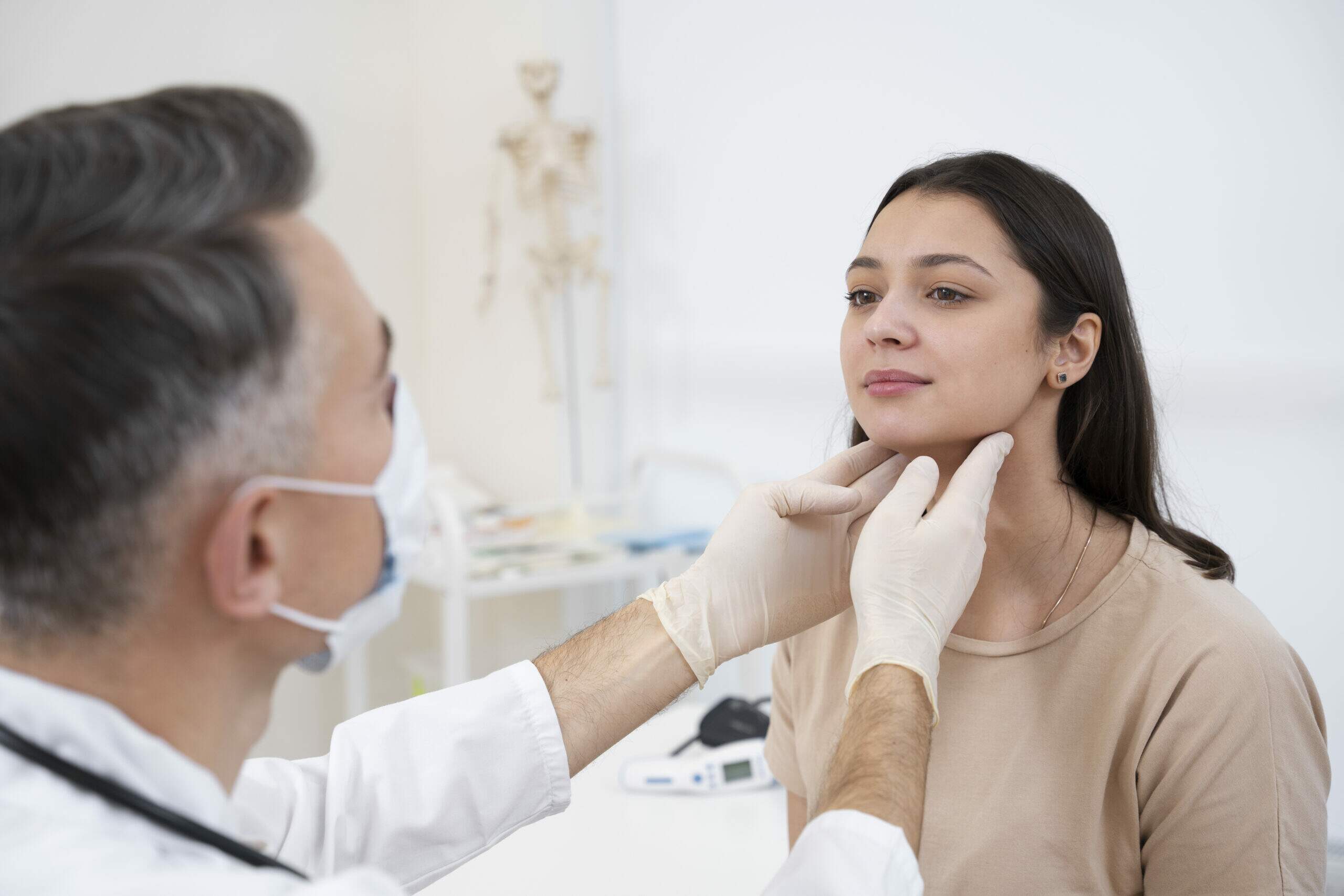
- Clinical cycle: In the following years, the focus shifts to practice. Students begin to apply their theoretical learning, already working clinically in different medical specialties, such as Pediatrics and Gynecology. This is a crucial period for developing communication, empathy , and teamwork. Experience in hospitals, clinics, and health centers allows students to practice everything from physical examinations to medical procedures, always under specialized guidance.
- Internshipmedical practice consolidated. Under the supervision of experienced preceptors, future doctors take on the care of real patients, performing procedures, prescribing medications, and making clinical decisions. Training takes place in environments such as emergency rooms, wards, and outpatient clinics. This is also the time when many students begin to consider whether they will prepare for residency or opt for a medical postgraduate programin order to pursue a medical specialty.
Extracurricular opportunities
In addition to curricular activities, medical students also have the opportunity to expand their skills and experience different aspects of the profession:
- Academic Leagues: meetings of students with specific interests, where clinical cases are discussed, projects are developed, and studies are conducted under the guidance of specialists.
- Research Programs: Some institutions, such as São Leopoldo Mandic, promote scientific research in areas such as public health, epidemiology, and basic sciences, offering support for projects that contribute to the advancement of medicine.
- Tutoring and Extension: More experienced students can act as tutors to help colleagues, consolidating learning while developing teaching skills.
Medical career options for general practitioners
For doctors who choose not to pursue a specialization, the market also offers other opportunities, such as:
- Public recruitment processes: held so that hospitals and health units can hire these professionals;
- Government health programs, such as "Mais Médicos" (More Doctors), in which professionals contribute to public health, especially in high-demand regions.
- Emergency room and primary care unit shifts: Primary health care units and hospitals offer an environment where general practitioners can work comprehensively, addressing different types of needs.
Next steps: specialization and postgraduate studies
After graduation, doctors can pursue residency or opt for a postgraduate specialization program (lato sensu).
Because residency requires years of preparation and, even then, is not a guarantee, many recent medical graduates opt for postgraduate programs, seeing them as an opportunity to expand their skills and deepen their clinical knowledge.
For those seeking more hands-on experience, São Leopoldo Mandic is an excellent choice.
Residency ,, if feasible, focuses on intensive supervised practice in hospital settings. Postgraduate specialization (lato sensu) allows physicians to deepen their knowledge in a practical and flexible way combining study andprofessional practice and gaining control over their careers.
Common questions about medical postgraduate studies
Does having a specialty increase a doctor's salary?
Yes, acquiring a specialization through postgraduate studies tends to increase a doctor's market value.
With more in-depth, you acquire specific skills and knowledge that add value to your professional profile, potentially opening doors to new opportunities and improving your remuneration. After all, this training can contribute to obtaining a title specialist
"How do I decide which postgraduate medical course to pursue?"
To make a good choice, it's essential to analyze two things: the types of courses and the institution.
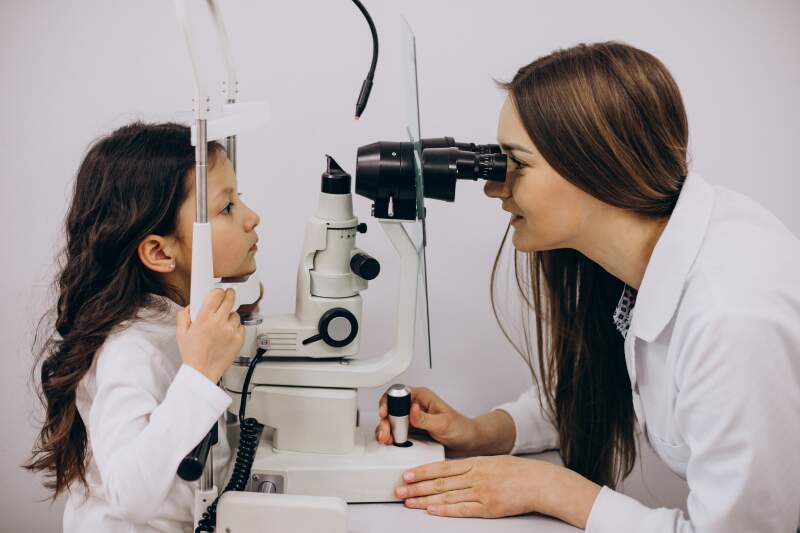
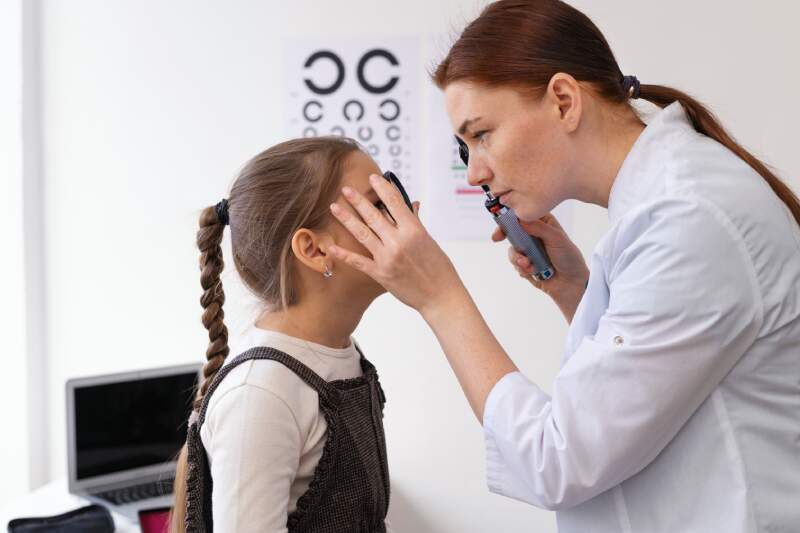
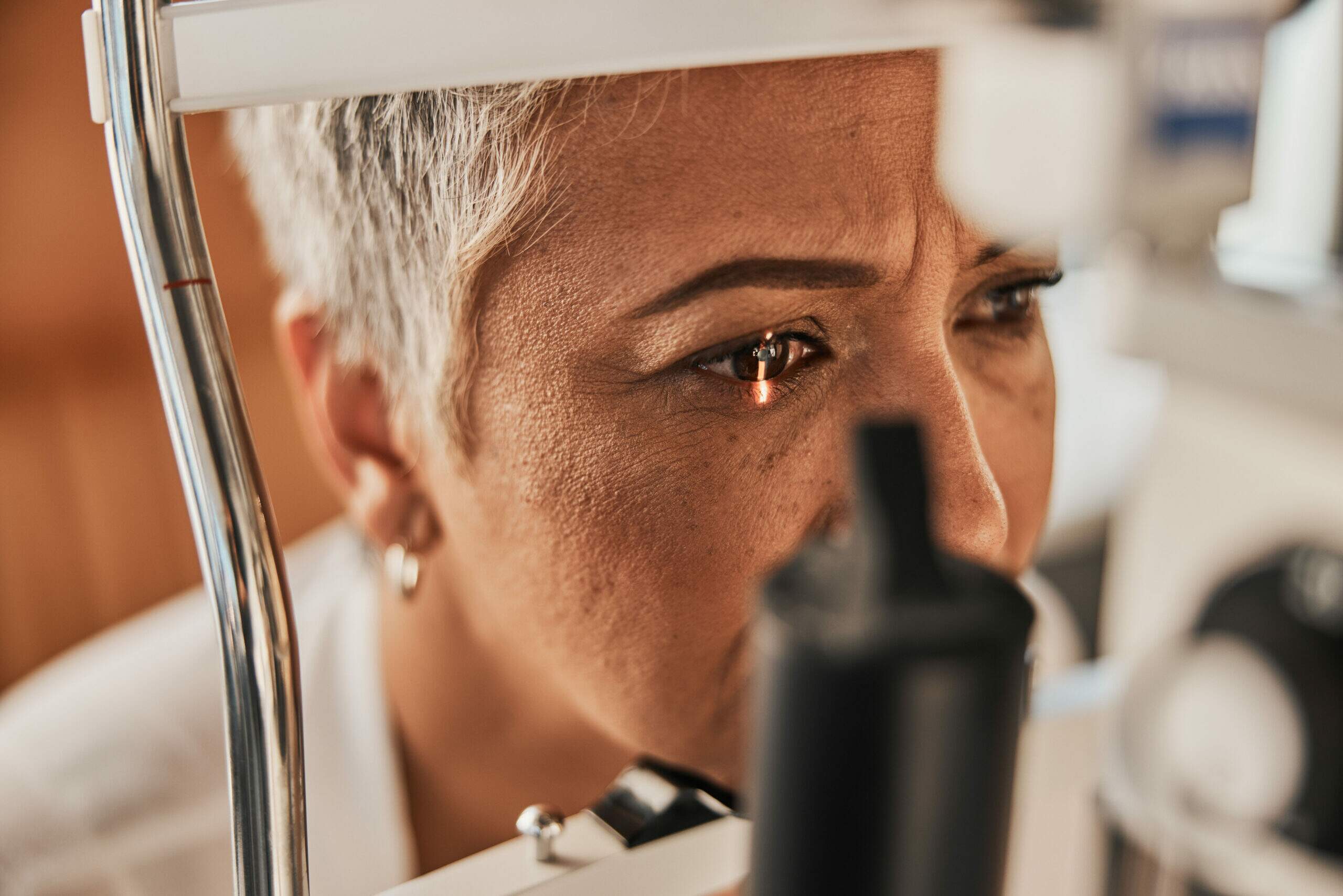
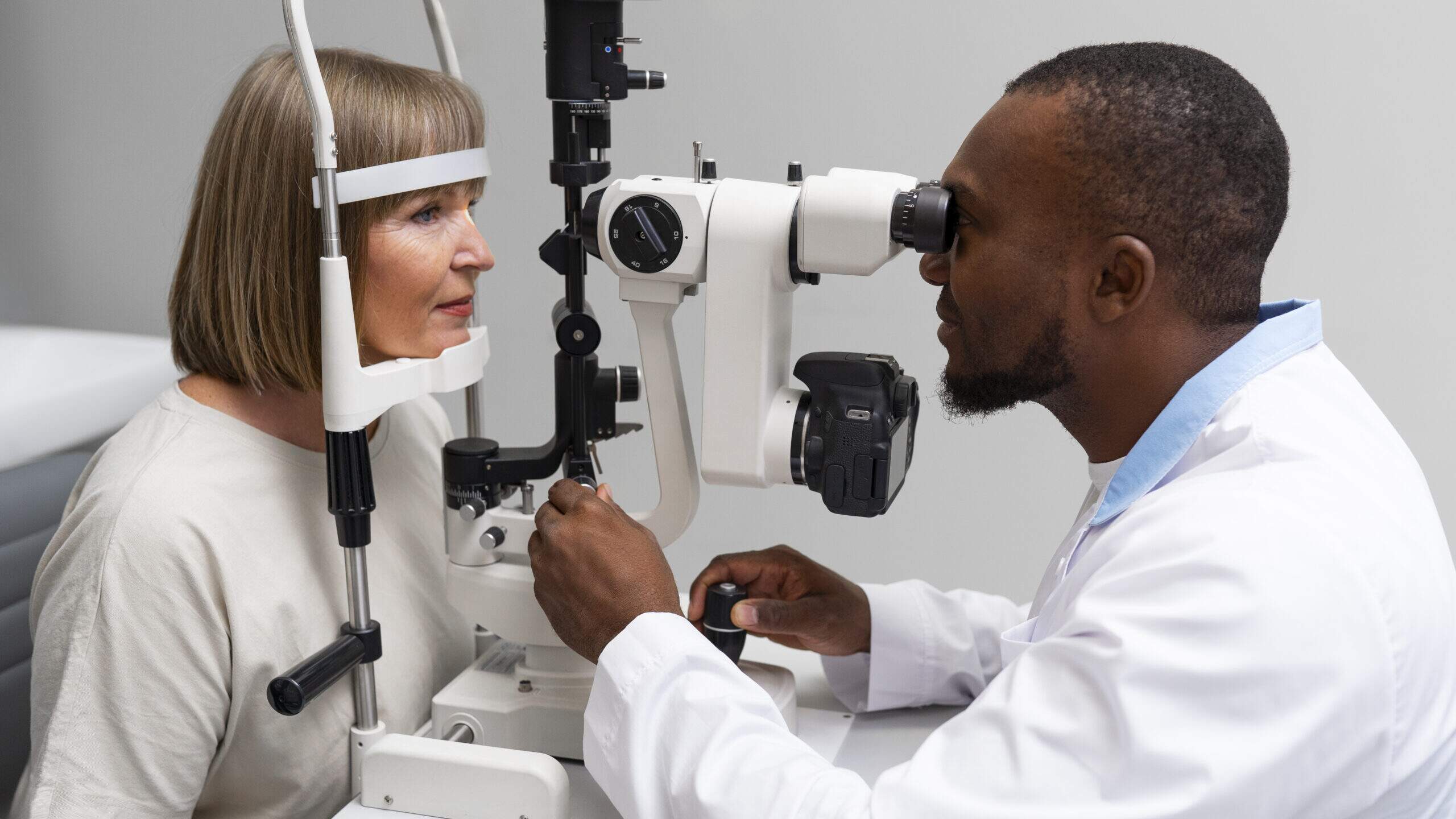
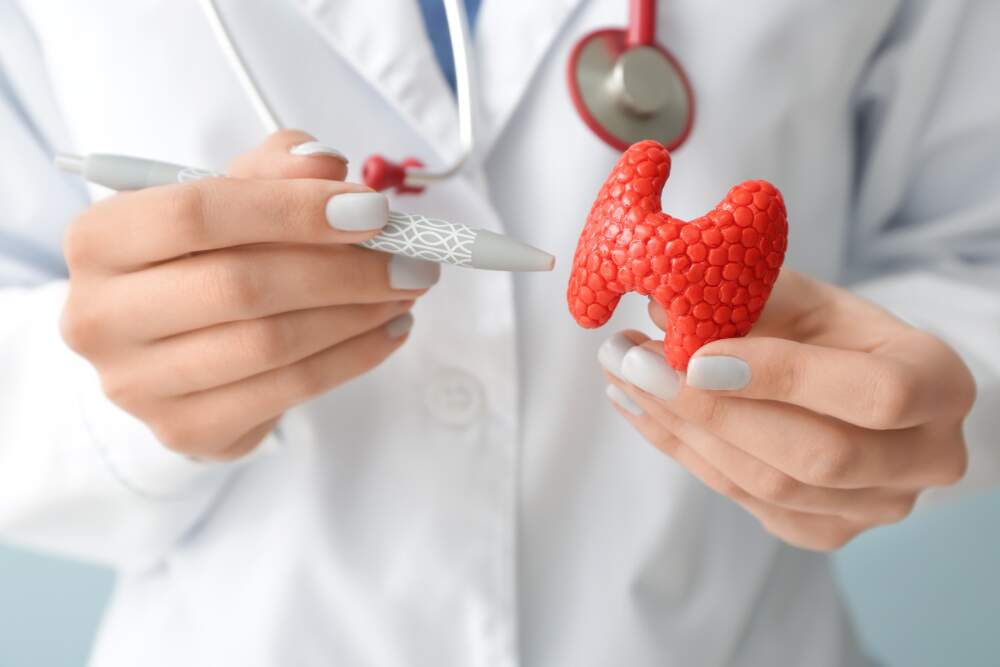
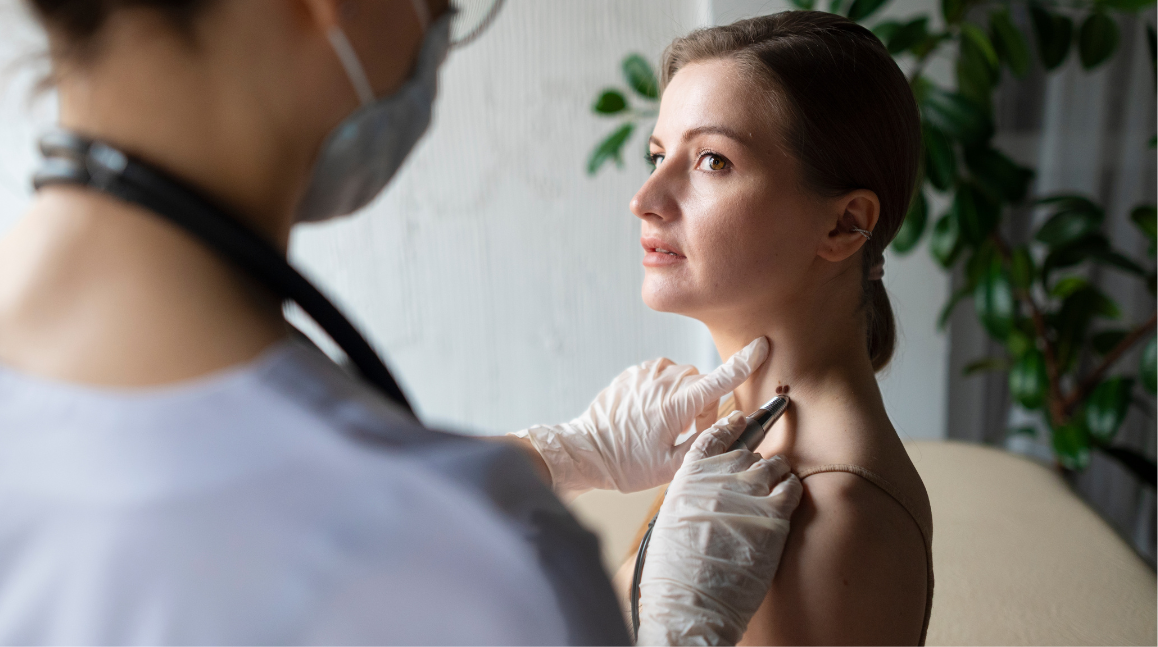
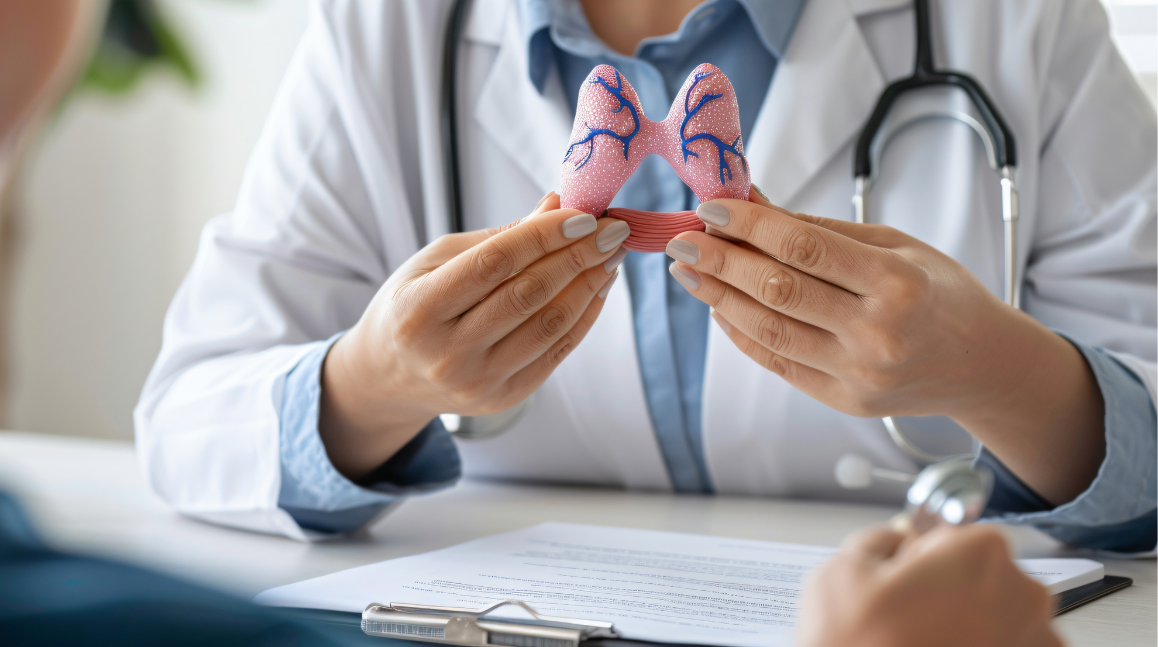

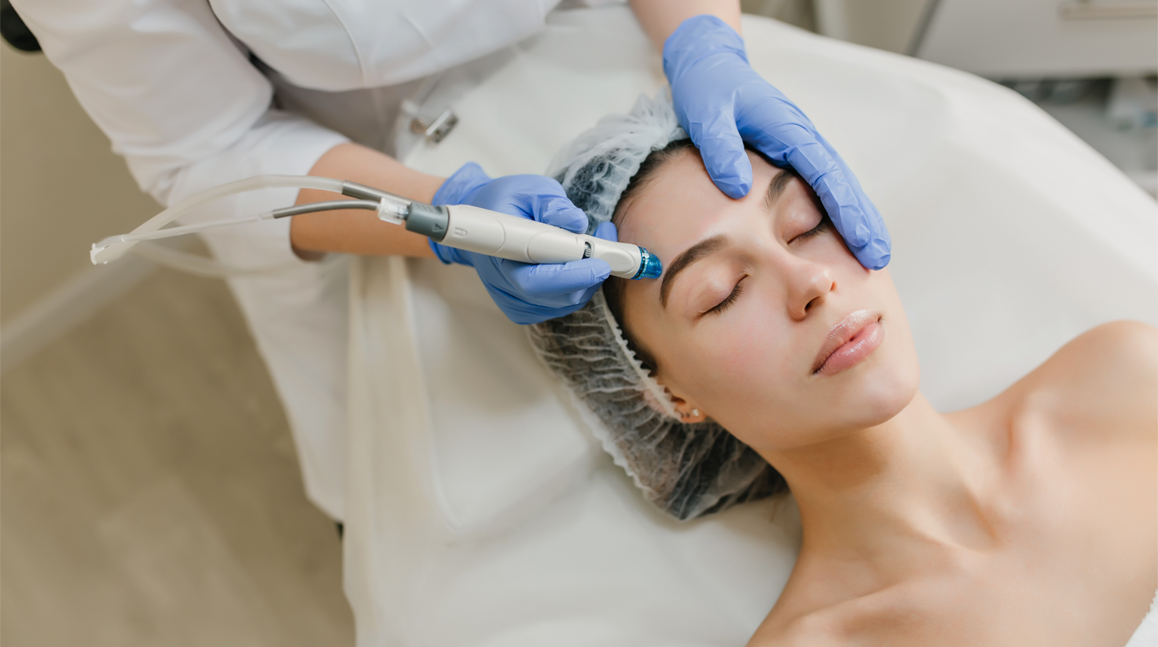
The areas of study available for postgraduate programs are very diverse and vary depending on the institution. At São Leopoldo Mandic, for example, it is possible to study Endocrinology, Dermatology,Trichology, Psychiatry, Ophthalmology, Pediatrics and Pediatric Neurology, among many others.
Regarding reputation and recognition, it's necessary to analyze the qualifications of the faculty, the resources offered for learning, and, above all, the methodology of the chosen institution. In this aspect, São Leopoldo Mandic stands out by providing students with several advantages, such as:
● On-site clinic where students treat real patients, selected for each module studied;
● The highest number of practical training hours on the market, with full support from highly specialized subject matter experts;
● Modules adapted considering student suggestions – based on what is raised as a matter of curiosity or learning need, teachers can adjust the course curriculum.
Want to start building your future right now? CLICK HERE and check out all the postgraduate programs that São Leopoldo Mandic offers and make your education a certainty.