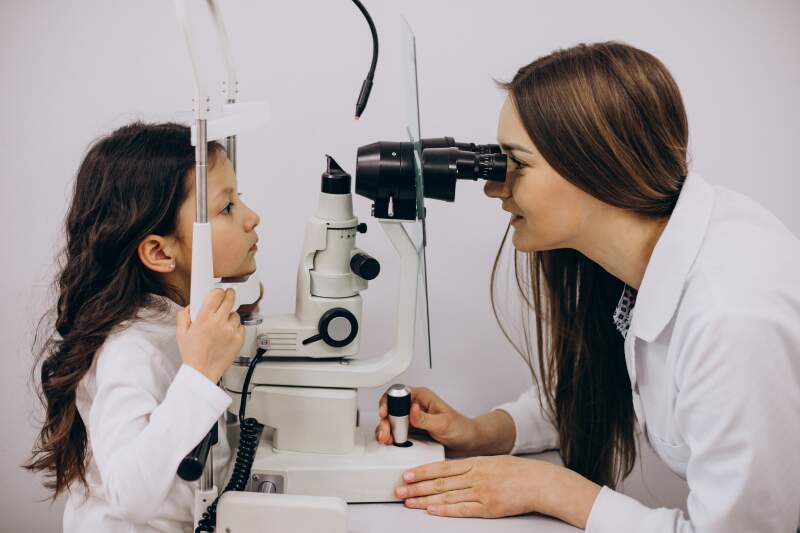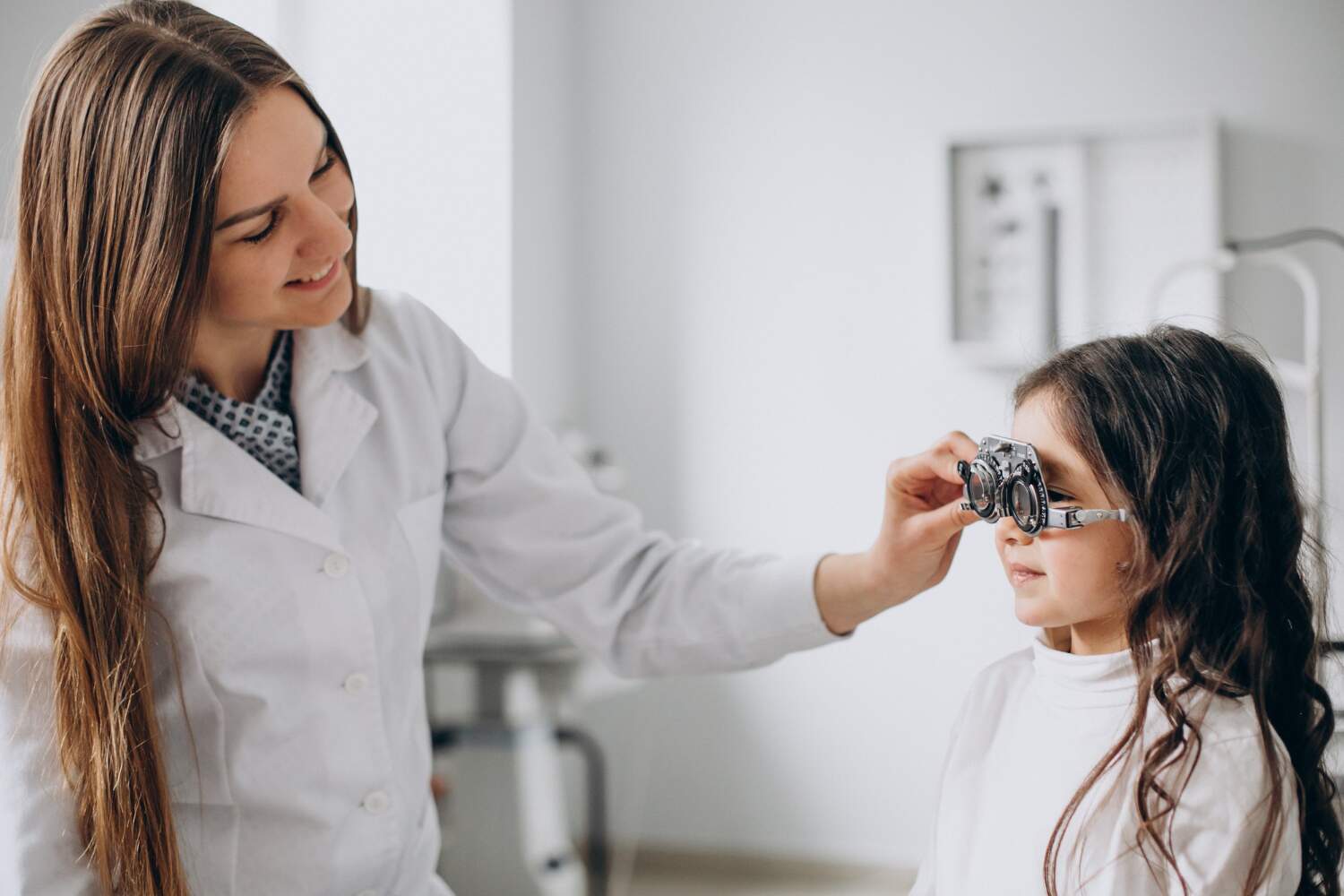

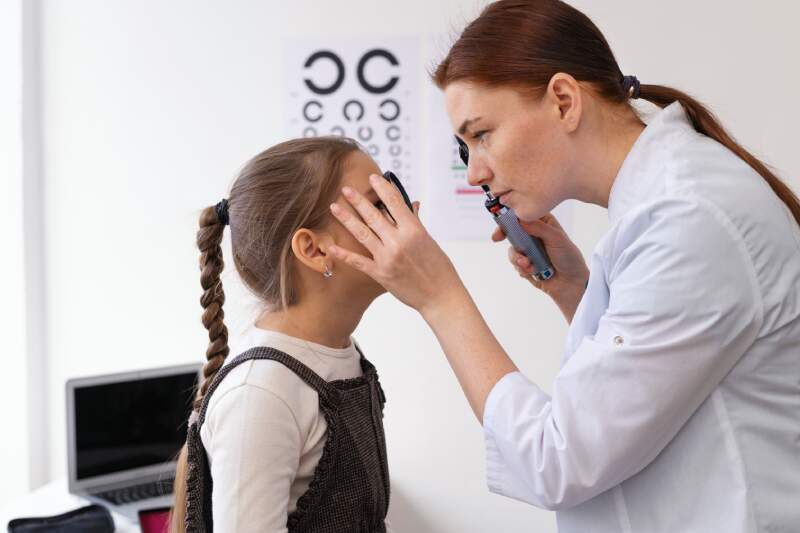
Pediatric ophthalmology, or ophthalmopediatrics, is a branch of medicine dedicated to the study and treatment of diseases and conditions that affect the eye health of children and adolescents. It also includes monitoring the development of vision.
In recent years, with the increased incidence of refractive errors in children and following the recommendations of the Brazilian Council of Ophthalmology (CBO) to provide ophthalmological monitoring from an early age, this subspecialty has become even more necessary. In this way, it contributes directly to the prevention and early diagnosis of eye diseases in childhood.
In this article, you will learn more about this ophthalmological subspecialty and discover if it's the right path for your medical career.
What is Pediatric Ophthalmology?
Pediatric ophthalmology is a subspecialty of ophthalmology focused on the diagnosis, treatment, and prevention of eye diseases that arise in childhood.
Unlike adults, children's eyes are still developing, especially in the first months of life up to six years of age. Therefore, pediatric ophthalmology addresses these particularities and monitors the proper development of vision, focusing primarily on the early detection of conditions such as refractive errors, strabismus, and congenital diseases.
What does a pediatric ophthalmologist do?
As mentioned earlier, a pediatric ophthalmologist is responsible for the diagnosis and treatment of eye diseases in children and adolescents. Some of the main issues addressed by this professional include:
Strabismus
Strabismus is a condition characterized by misalignment of the eyes, which can be constant or occur only during periods of fatigue or illness. In this case, treatment may involve the use of glasses, patching (eye patch) to strengthen the affected eye, eye exercises, or, in more severe cases, surgical interventions to correct the misalignment.
Refractive errors
Refractive errors, or refractive defects, occur when light does not reach the retina clearly, causing distortions in the images sent to the brain. Among the main refractive problems, we can mention:
Myopia
Difficulty seeing distant objects clearly, caused by the "elongation" of the eyeball. During childhood, myopia can be corrected with glasses or contact lenses, while in adulthood the patient may opt for surgical treatment.
Hyperopia
This occurs when the eye is smaller than normal, causing difficulty seeing nearby objects clearly and potentially leading to headaches and eye strain if left untreated. Treatment usually involves the use of glasses or corrective lenses.
Astigmatism
Blurred or distorted vision, both for near and far objects, caused by an irregular curvature of the cornea. In most situations, the problem is treated with corrective lenses.
Amblyopia
Amblyopia, also called "Lazy Eye," is a condition that occurs when the vision in one eye does not develop properly during childhood, resulting in a large difference in visual quality between the two eyes. The brain, upon identifying this difference, ends up ignoring the weaker eye and favoring the other, with better vision. This is the leading cause of childhood vision loss and can lead to permanent problems if not treated early.
Therefore, the most common treatment is the use of a patch on the stronger eye, forcing the use of the affected eye and improving its visual function, similar to strabismus.
Differences between Ophthalmology and Pediatric Ophthalmology
Ophthalmology is a medical specialty that focuses on the care of eye health and, therefore, vision. This medical specialty primarily deals with the diagnosis and treatment of refractive errors, cataracts, glaucoma, trauma, and other eye conditions.
On the other hand, within the field of Ophthalmology, there is Pediatric Ophthalmology, a subspecialty focused on treating some of these issues, considering the particularities of visual development in childhood. This is precisely the main difference between the two areas.
Thus, although an ophthalmologist can treat children, a pediatric ophthalmologist has more in-depth training, dedicated exclusively to the specific issues of pediatric eye treatment.
Postgraduate studies in Ophthalmology
Ophthalmology . is an increasingly valued medical specialty, and postgraduate studies are an excellent opportunity for those who wish to delve deeper into the field and gain more confidence in the care, diagnosis, and treatment of their patients
Therefore, at São Leopoldo Mandic, the postgraduate program in Ophthalmology offers a thorough theoretical foundation and complete practical experience, with care provided to real patients, previously selected according to each module of the course. Furthermore, the consultations are supervised by masters and doctors active in the field, updated with the main trends and technological innovations.
Learn more about the postgraduate program in Ophthalmology at São Leopoldo Mandic and take the next step in your medical career.