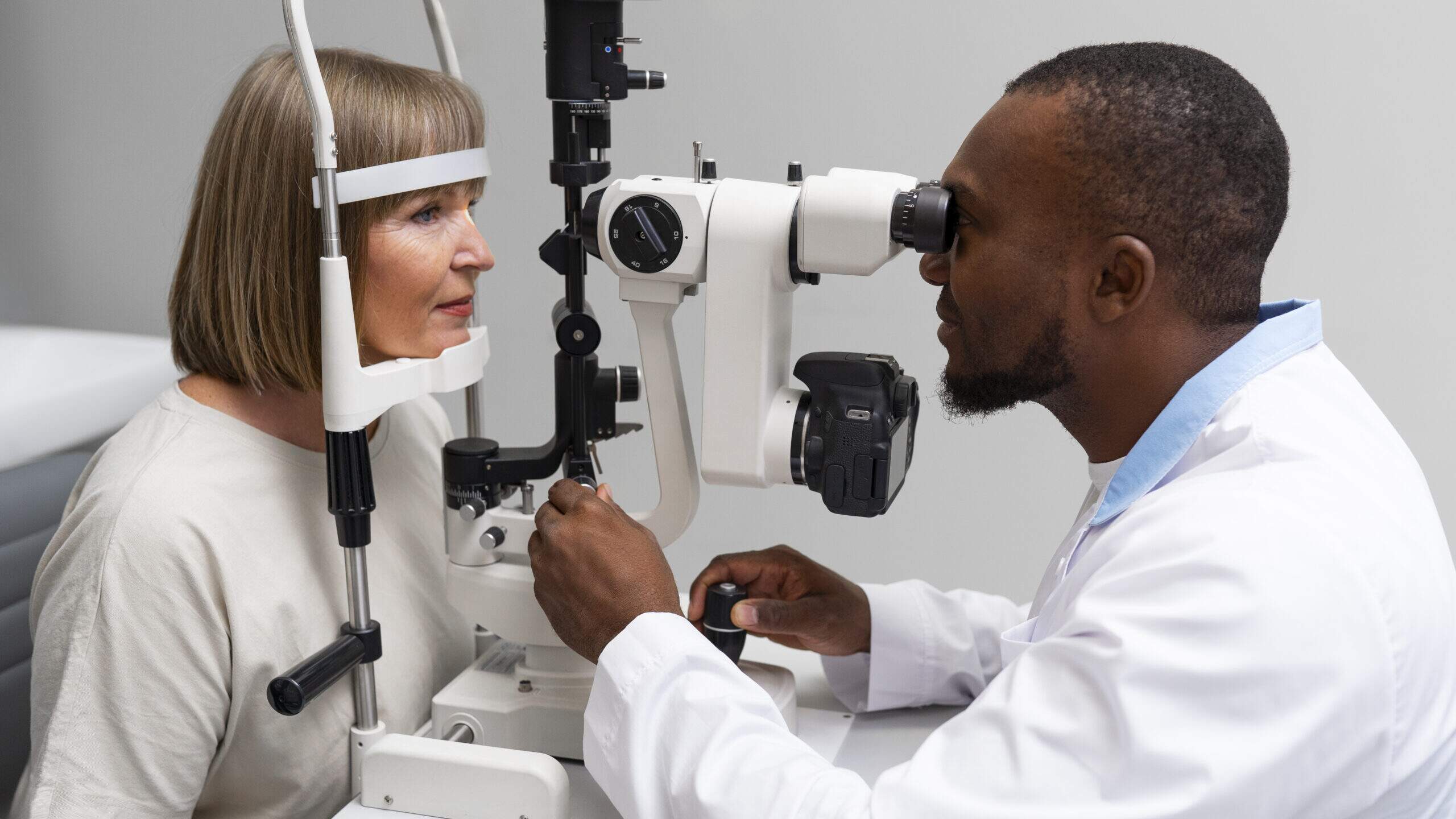


If you're unsure about what a postgraduate degree in Medicine is, how it works, or what its advantages are, don't worry. This article will help you understand everything!
There are two main types: lato sensu and stricto sensu.
A lato sensu (broadly speaking) postgraduate degree is aimed at physicians seeking to improve and update their knowledge in specific areas, in order to begin working as specialists in these specific fields in the market. This can be achieved through specialization courses or MBAs (Master in Business Administration).
In contrast, stricto sensu programs aim to train researchers and teachers, therefore their training consists of master's and doctoral degrees.
What is postgraduate study in Medicine?
Also known as specialization courses medical lato sensu. These programs are ideal for doctors seeking to expand their knowledge and improve their skills without having to stop practicing medicine while studying. In addition to providing greater confidence and updates on new procedures and medications, this path also offers a increase in income significant
One of the biggest advantages of postgraduate studies in Medicine is the ease with which doctors can reconcile their study schedules with their daily agendas, being able to choose between online, hybrid , or in-person courses with flexible schedules.
Important: To officially become a specialist after completing postgraduate studies, a doctor must pass the Certification Exam, organized by the institute of the specialty of interest, and be approved. Completing postgraduate studies does not automatically grant this title.
What are the differences between postgraduate studies and residency in medicine?
Medical residency is the most common type of postgraduate training among doctors: a specialization course (lato sensu) that can only be offered by institutions approved by the MEC – since this is also the body that manages this model.
The main difference between medical residency (MR) and postgraduate specialization (lato sensu) is that, upon completion, the physician automatically receives the title of specialist. Postgraduate specialization (lato sensu) requires only one additional step: the Title Examination, for the physician to be officially recognized as a specialist.
Furthermore, although they receive a scholarship, residents have an intense workload (which can exceed 60 hours per week), making it difficult to work shifts – the opposite of what happens with post-medical students.
In addition to this, there is also the challenge of increasing competition for medical residency positions, due to the limited number slots, which makes this career advancement process much more arduous than a postgraduate degree would be, for example.
Is earning the Specialist Title easy?
While medical residency positions are highly sought after as they are the most traditional path to becoming a specialist, there is another faster and equally valuable route: the specialist title obtained through the Title Examination, according to the standards of the AMB (Brazilian Medical Association).
After passing the exam and completing postgraduate studies, a doctor can declare and register as a specialist with a Regional Medical Council (CRM), similar to residency, but with greater flexibility in scheduling and independence in the journey to that point.
What are the advantages of a postgraduate degree in Medicine?
The benefits of this model are numerous, but right off the bat, we can mention:
- Practical experience: you will be able to practice the profession in class, to understand how it works directly in practice, with the help of the teachers;
- Compensation: it goes without saying – but the compensation you can earn as a specialist is immensely higher;
- Update: You will be specialized in the latest scientific knowledge in that area;
- Networking: you will be able to meet more people, from various places, with diverse influences and potential opportunities and partnerships;
- Flexibility: you will be able to work while you study, and, upon graduation, have an even higher income than you would have if you did a residency program;
- Well-being: by specializing in an area in depth, you can select your hours and clients, leading to a better quality of life.
Tips: How do I choose a medical specialty for my postgraduate studies?
This can be a big challenge. But it's easy to solve if you remain calm and analyze the situation thoroughly.
The main tip is to break down the topics into smaller sections to think about:
Flexible hours: each specialty has a focus. Based on this, understand what hours you want to work and which specialty best suits them.
Proximity to the workplace: the specialty you have in mind likely has some specific areas where it can provide services. Are these locations easily accessible to you?
Areas of interest: perhaps the easiest topic of all – does the specialty in question pique your curiosity? Is it an area you would like to work in every day and keep up-to-date on over time?
Compensation: Each specialization has its own compensation. Here, it's important to analyze your expectations in this regard, considering your goals and your current situation.
Therefore, to delve deeper into the analysis of each specialty, we also have some secrets:
- Learn about the profiles of the types of patients you may encounter during your appointments;
- Research the job market for that specialty;
- Talk to professionals who have already graduated to understand if the daily routine, compensation, and challenges of the specialty align with what you imagine.
Some medical specialties
The CFM (Brazilian Federal Council of Medicine) recognizes several medical specialties. See some below:
Medical specialties: Health Administration; Anesthesiology; Gynecology and Obstetrics; Infectious Diseases; Dermatology; Medical Genetics; Family and Community Medicine, Traffic Medicine, Occupational Medicine, Exercise and Sports Medicine; Physical Medicine and Physiatric Rehabilitation; Hyperbaric Medicine; Legal and Medical Expertise; Nuclear Medicine; Neurosurgery; Neurology; Ophthalmology; Orthopedics and Traumatology; Otorhinolaryngology; Pathology; Pediatrics; Psychiatry; Radiology and Diagnostic Imaging; Radiotherapy; Radiation Oncology.
Surgical specialties: General; Plastic; Head and Neck; Cardiovascular; Digestive System; Thoracic; Vascular; Pediatric; Coloproctology; Urology; Mastology.
Clinics: Internal Medicine; Cardiology; Endocrinology; Gastroenterology; Geriatrics; Hematology and Hemotherapy; Immunology and Allergology; Intensive Care Medicine; Nephrology; Nutrition; Clinical Oncology; Pulmonology; Rheumatology.
What are the most sought-after medical specialties?
According to the 2023 Medical Demographics in Brazil survey – conducted by the Faculty of Medicine of USP (FMUSP), with the support of the Federal Council of Medicine (CFM) and the Regional Council of Medicine of São Paulo (Cremesp) – the three most sought-after specialties are Internal Medicine, Pediatrics , and Gynecology and Obstetrics.
Check out the ranking of the 9 specializations:
- Medical Clinic (15.3%);
- Pediatrics (9,6%);
- Gynecology and Obstetrics (8.6%);
- General Surgery (7.4%);
- Anesthesiology (7.1%);
- Orthopedics and Traumatology (5.9%);
- Radiology and Diagnostic Imaging (3.5%);
- Cardiology (3,3%);
- Ophthalmology (3,0%).
Compensation: What is the average salary for these specialists?
In this article, you will find some average salaries, ranging from Plastic Surgery (for aesthetics or corrections, such as in cases of severe burns) to Medical Auditing (which assesses the adequacy and cost of medical services provided by public and private entities).
By the way, check out some of these average salaries below:
Plastic Surgery: R$ 18,564
Surgery (general or specialized): R$ 15,975
Orthopedics: R$ 14,353
Medical Audit: R$ 9,909
Anesthesiology: R$ 9,849
In public service exams, the competition is immense and demands a high level of dedication to studies, but salaries can reach R$ 24,000.
What should you consider when choosing your medical specialization?
A postgraduate degree is a turning point in a medical career, as explained throughout this article.
Therefore, when choosing where to study, remember to consider the institution's recognition of the course by the MEC (Brazilian Ministry of Education), its reputation, the curriculum, the faculty, practical activities, and the evaluation method.
At São Leopoldo Mandic, some distinguishing features stand out and greatly aid in the postgraduate journey:
- Flexible hours
- The student can bring up topics they want to cover, and the teacher will prepare specific lessons for them
- The teachers give individual feedback after each class
- It's one of the best on the market, according to the MEC (Brazilian Ministry of Education)
- Practical classes are conducted with the support of teachers and utilize state-of-the-art technology – and even have their own hospital
- Some of the best doctors in Brazil are there, so the networking opportunity is vast
Furthermore, if you are thinking about investing in the future of your medical career, start your Medical Postgraduate studies now.